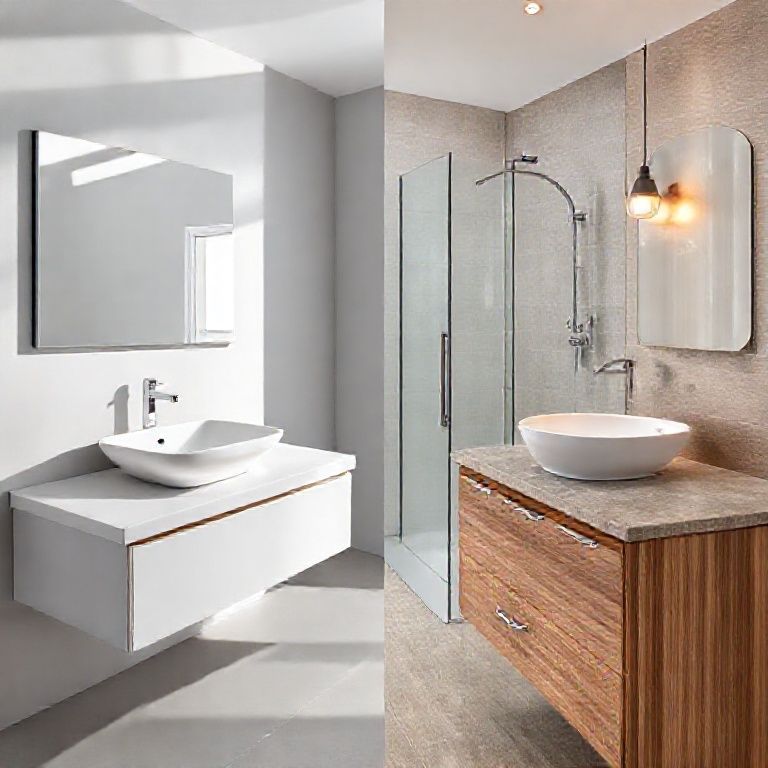
The Alchemy of Modern Living: Why Artificial Stone Rules the Market
When you walk into a kitchen that feels “expensive,” your eyes almost always land on the surfaces first. There is a specific, cool-to-the-touch elegance that defines contemporary interior design, and more often than not, that elegance is delivered by artificial stone. Whether you are browsing through high-end showrooms or scrolling through Pinterest, the question inevitably arises: “How much does this actually cost per square meter?” (or, as the industry insiders put it, “人造石板材多少钱一个平方?”).
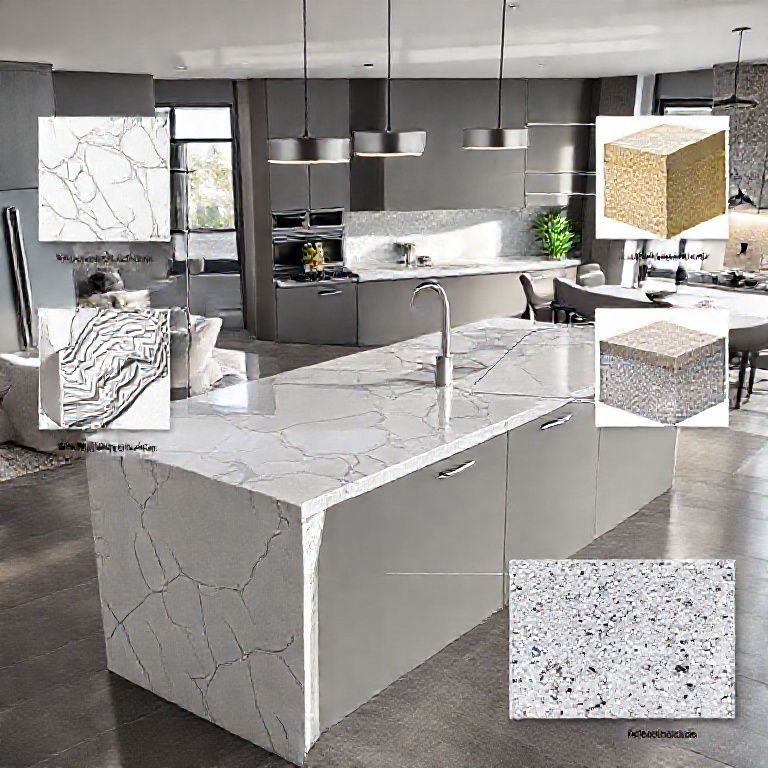
The answer, as with most things in the world of luxury construction, isn’t a single number on a price tag. It is a narrative of technology, aesthetics, and durability. To understand the price, we first have to understand the magic behind the material. Artificial stone isn’t just a “fake” version of marble; in many ways, it is an evolution. It’s a composite of natural minerals—mostly quartz—mixed with high-quality resins and pigments to create something that nature simply couldn’t: a surface that is non-porous, incredibly hard, and visually consistent.
The Spectrum of Pricing: From Functional to Formidable
If you are looking for a baseline, the market for artificial stone is vast. At the entry-level, you might find basic engineered quartz starting around $60 to $100 per square meter. These are your workhorse materials—solid colors, simple speckles, and reliable performance. They are perfect for rental properties or utility rooms where you need the durability of stone without the high-fashion price tag.
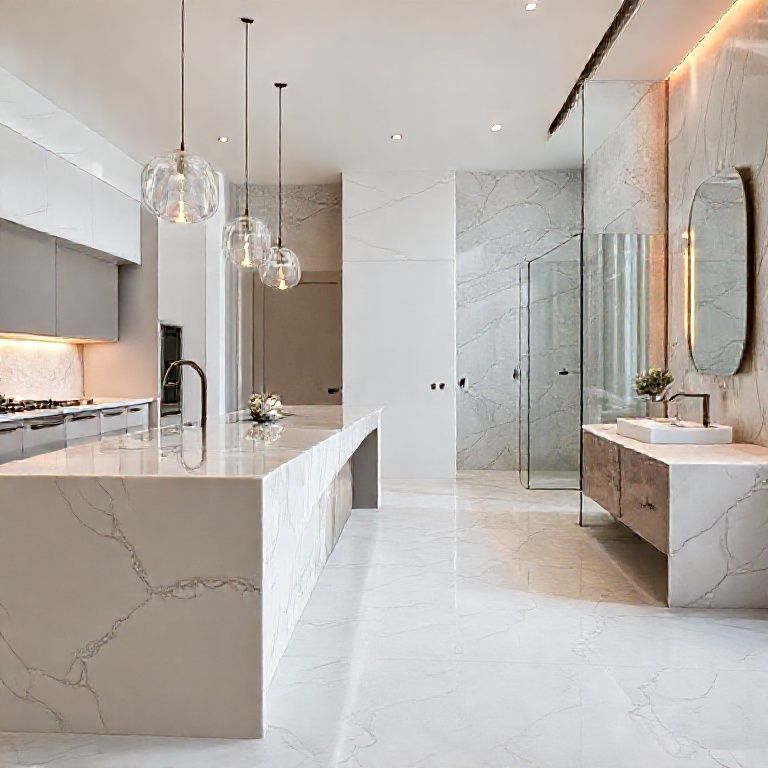
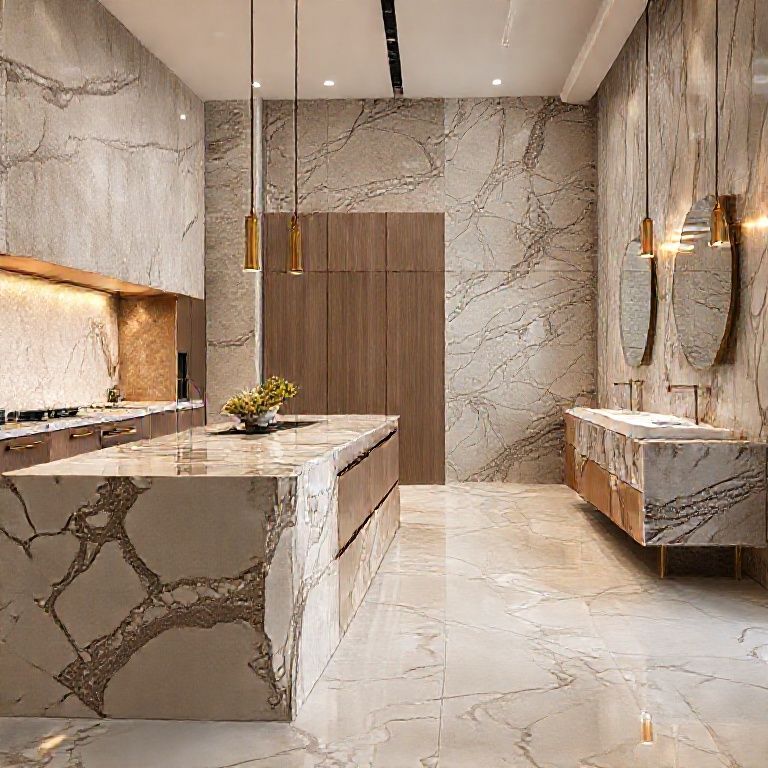
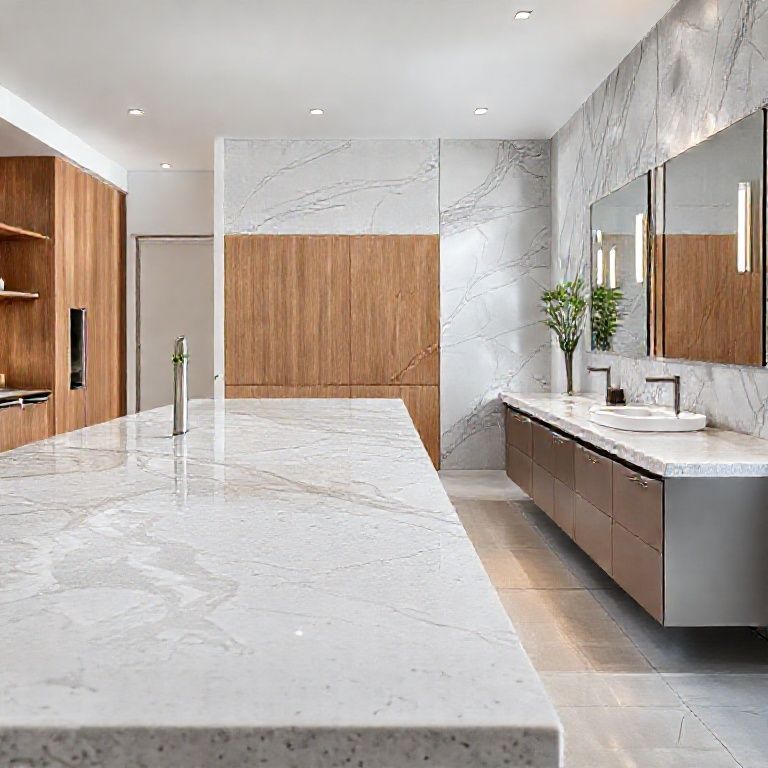
However, as you move into the mid-range—the sweet spot for most homeowners—prices typically shift into the $150 to $300 per square meter territory. This is where the artistry begins. In this bracket, you aren’t just buying a slab; you’re buying a design. Manufacturers at this level use advanced “inkjet” or vein-distribution technology to mimic the dramatic sweeps of Calacatta marble or the moody depths of soapstone. You get the look of a $5,000 Italian slab with the stain resistance of a modern polymer.
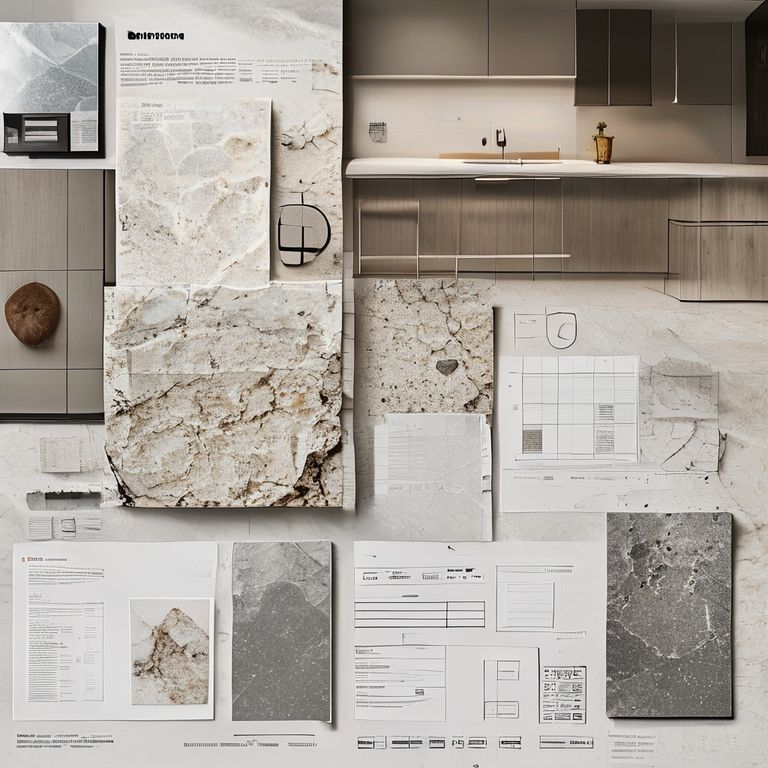
Why the jump in price? It’s often down to the “purity” of the mix. High-quality artificial stone usually contains about 90-93% natural quartz. Lower-priced versions might increase the resin content, which makes the stone easier to produce but more susceptible to scratches and heat damage. When you pay more per square meter, you are essentially paying for a higher concentration of stone and a more sophisticated manufacturing process.
The Brand Premium: Is Name Recognition Worth It?
Just like fashion, the world of artificial stone has its “Guccis” and “Pradas.” Brands like Caesarstone, Silestone, and Cosentino command a higher price point—often exceeding $400 or $500 per square meter—for several reasons. First is the warranty. A reputable brand often offers a 10-to-25-year guarantee against manufacturing defects, which is essentially insurance for your kitchen.
Second is innovation. These top-tier companies invest millions in R&D to create textures that feel like leather, matte finishes that don’t show fingerprints, and recycled compositions that appeal to the eco-conscious renovator. When you ask about the price per square meter for these brands, you’re also paying for the peace of mind that the slab won’t crack under the thermal shock of a hot pan or discolor over time.
Geography and the “Hidden” Variables
It’s also worth noting that “人造石板材多少钱一个平方” can vary wildly based on where you are and where the stone is coming from. If you are sourcing directly from major manufacturing hubs in China or Southeast Asia, the raw material cost is significantly lower. However, once you factor in international shipping, local distribution markups, and the “boutique” markup of local stone yards, that affordable slab can quickly double in price.
Furthermore, the thickness of the slab plays a pivotal role. Standard slabs come in 12mm, 20mm, and 30mm. While a 12mm slab might seem like a bargain, it’s often reserved for wall cladding or furniture. For a kitchen countertop that needs to withstand the weight of appliances and the “oops” moments of daily life, 20mm or 30mm is the standard. Naturally, the thicker the slab, the more raw material is used, and the higher the price per square meter.
As we peel back the layers of the artificial stone market, it becomes clear that “cost” is a reflection of “value.” In the next part, we will dive into the high-tech world of Sintered Stone—the new king of the market—and explore the “hidden costs” that many homeowners forget to budget for until it’s too late.
The New Frontier: Sintered Stone and the Luxury Surge
In the current market, if you ask “人造石板材多少钱一个平方?” you will likely be introduced to a new powerhouse: Sintered Stone (often referred to as 岩板 in the Chinese market). This is the high-performance cousin of traditional quartz. While quartz uses resins as a binder, sintered stone is made using extreme heat and pressure to bond minerals together—essentially mimicking the way metamorphic rock forms in the earth, but in a matter of hours.
This material has pushed the pricing ceiling higher. Sintered stone can range from $300 to over $800 per square meter. Why would someone pay this? Because it is virtually indestructible. It is fireproof, scratch-proof, and UV-resistant, meaning you can use it for outdoor kitchens without worrying about the sun fading its colors. The price reflects this “super-material” status. It allows for ultra-thin profiles that are incredibly strong, making it a favorite for minimalist, high-end architectural projects.
The “Invisible” Costs: Labor and Fabrication
One of the most common mistakes people make when budgeting for artificial stone is looking only at the price of the slab. In reality, the material cost is often only 50% to 60% of the total invoice. The rest of that “price per square meter” is eaten up by fabrication and installation.
Think about the complexity of your design. Are you looking for a simple straight edge, or a fancy mitered edge that makes the slab look five inches thick? Do you want an under-mount sink, which requires precise, polished cut-outs? Every hole for a faucet, every “waterfall” edge that drops down to the floor, and every intricate corner adds to the labor cost. In many cases, the more expensive the stone, the more expensive the labor. Sintered stone, for example, is so hard that it requires specialized diamond-tipped tools and expert handlers to prevent cracking during the cutting process. When you ask for a quote, always ask if it’s “all-in” or just for the raw material.
Texture and Finish: The Price of a Feeling
The “feel” of the stone also dictates the price. A standard polished finish is the most common and usually the most affordable because it’s the factory default. However, if you want a “honed” (matte) finish or a “leathered” (textured) finish, expect the price per square meter to climb. These finishes require extra steps in the manufacturing process.
Interestingly, the color palette also influences the cost. Pure white artificial stone is surprisingly difficult to manufacture because any impurity shows up as a dark speck, leading to higher waste rates at the factory. Similarly, slabs with “through-body” veining—where the pattern goes all the way through the thickness of the stone—are more expensive than slabs where the pattern is just printed on the surface. If you chip a surface-printed slab, you’ll see a white or grey core underneath. With through-body stone, the chip is much less noticeable, preserving the aesthetic integrity of your investment.
Value Engineering: How to Get the Look for Less
If you are looking at the price per square meter and feeling a bit of “sticker shock,” there are ways to navigate the market strategically. This is where “soft” negotiation and smart sourcing come in.
Check for “Remnants”: If you are doing a small bathroom vanity or a laundry room, don’t buy a whole slab. Stone yards often have “remnants”—leftover pieces from larger projects—that they sell at a massive discount. Standardize Your Thickness: Instead of opting for a 30mm slab, use a 20mm slab with a built-up edge. It gives the illusion of thickness without the material cost. Local vs. Import: Don’t dismiss local manufacturers. While the big international brands have the marketing polish, many local factories produce high-grade quartz using the exact same Bretonstone technology used in Europe, often at 40% less cost.
Final Thoughts: An Investment, Not an Expense
Ultimately, when you ask “人造石板材多少钱一个平方?”, you are asking about the foundation of your home’s aesthetic. Artificial stone is one of the few renovation choices that offers a genuine return on investment. It’s a selling point for future buyers and a daily luxury for you.
The price isn’t just about the minerals and resins; it’s about the peace of mind that comes from a surface that won’t stain when you spill red wine, won’t scratch when you’re prepping dinner, and will look just as stunning ten years from now as it does the day it’s installed. Whether you choose a budget-friendly quartz or a top-of-the-line sintered stone, understanding the nuances of the “per square meter” price allows you to spend your money where it matters most: on quality, craftsmanship, and a style that feels uniquely yours. Transform your space with confidence, knowing that the right surface is out there for every budget.