The kitchen is no longer just a room where food is prepared; it has evolved into the gravitational center of the modern home. It’s where guests linger with a glass of wine, where children do their homework, and where the visual language of your entire house is established. When you embark on the journey of a kitchen renovation, you’re met with a thousand decisions, but few carry as much weight—literally and figuratively—as the choice of your countertop. Specifically, the question that haunts many a homeowner: “Is 1.5cm (15mm) quartz actually okay, or am I making a fragile mistake?”
For a long time, the industry standard leaned toward the “bigger is better” philosophy. We were conditioned to think that a 3cm slab was the only way to signal luxury and durability. However, the design world is currently undergoing a radical shift. The heavy, chunky aesthetics of the early 2000s are making way for something far more sophisticated, streamlined, and European-inspired. This is where the 1.5cm quartz slab enters the spotlight, not as a compromise, but as a deliberate stylistic choice.
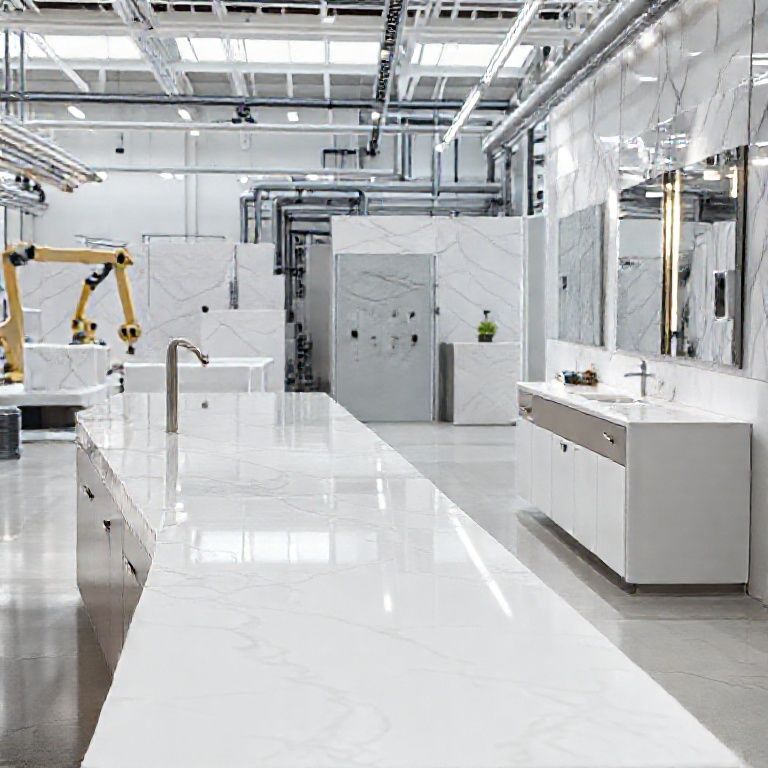
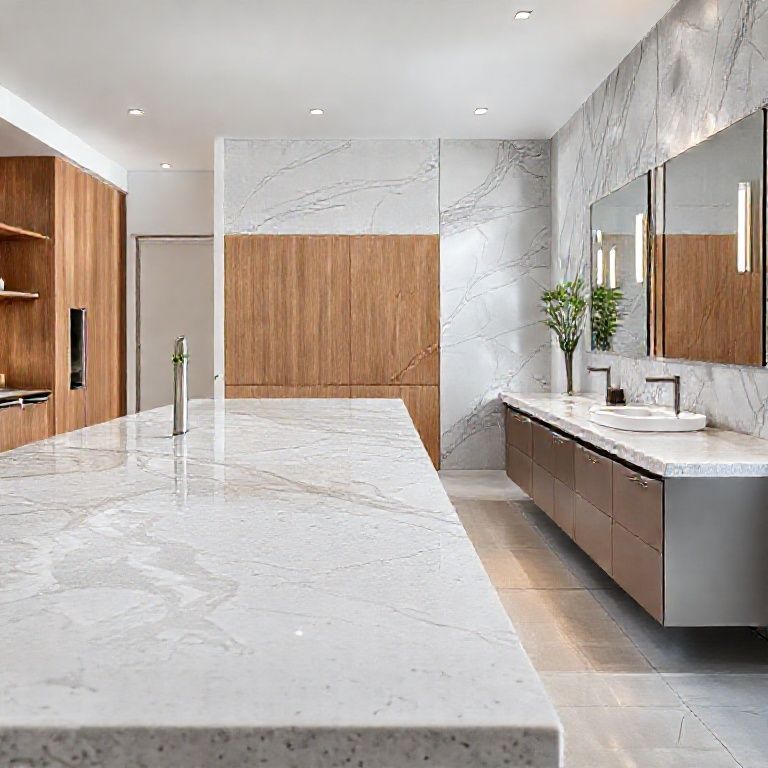
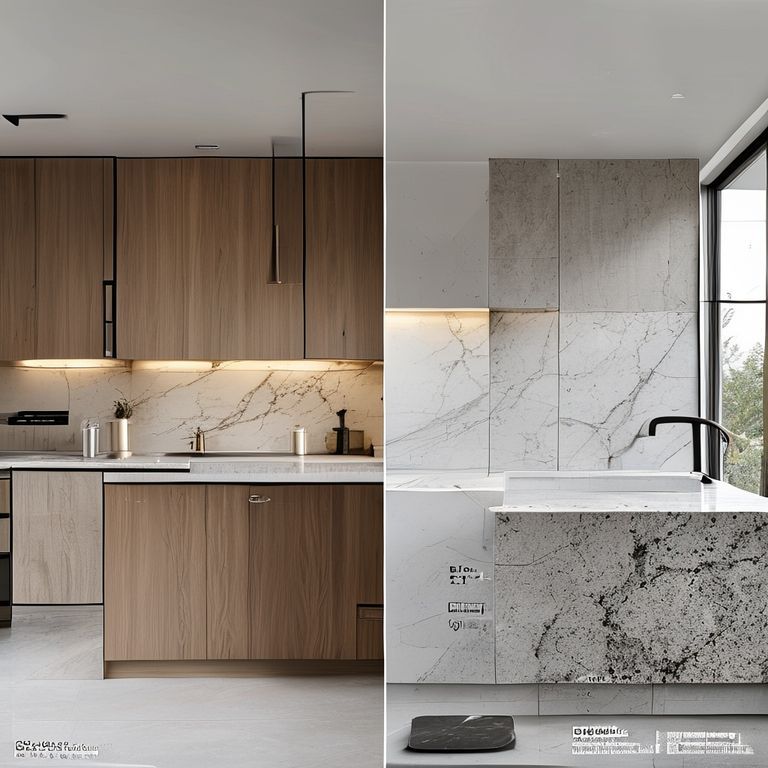
First, let’s talk about the visual impact. There is an undeniable elegance in a thin profile. In the world of high-end architecture, thinness is often synonymous with precision and advanced engineering. A 1.5cm quartz countertop offers a “floating” appearance that complements the clean lines of modern cabinetry. If you are aiming for a minimalist, Scandinavian, or ultra-modern industrial look, a 3cm slab can sometimes look cumbersome—like wearing hiking boots with a silk suit. The 15mm profile, on the other hand, provides a sharp, crisp edge that allows the cabinetry and the backsplash to share the stage rather than being overshadowed by a massive block of stone.
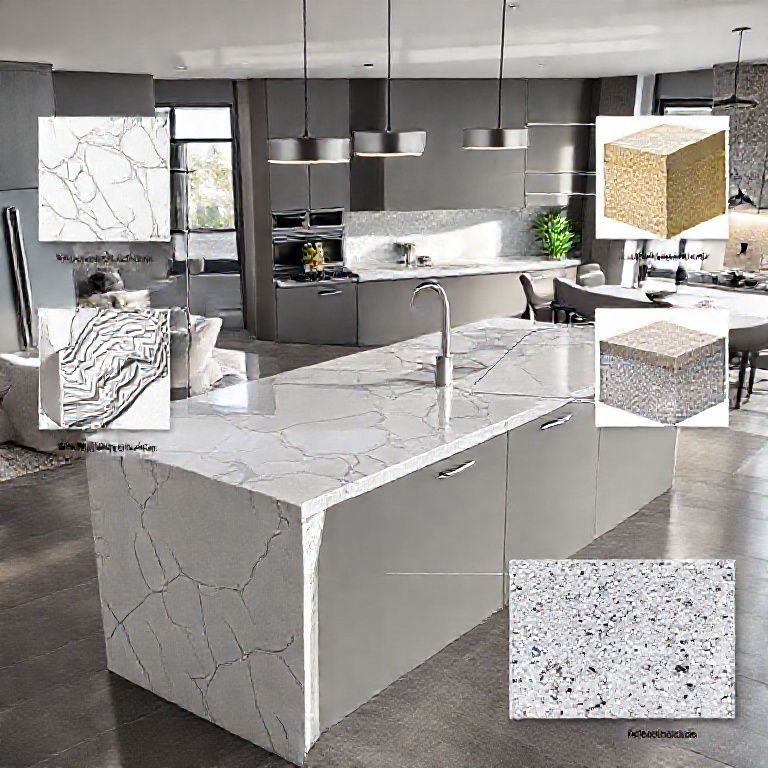
But aesthetic beauty is rarely enough to satisfy a pragmatic homeowner. You want to know if it can handle the chaos of a Tuesday night dinner. The “strength” of quartz doesn’t work the same way as natural stone like marble or granite. Because quartz is an engineered product—composed of roughly 90-93% crushed natural quartz crystals bound together by high-quality polymer resins—it is incredibly dense and non-porous. This manufacturing process gives it a structural integrity that far exceeds its natural counterparts. While a 1.5cm piece of natural marble might be prone to snapping if unsupported, a 1.5cm quartz slab is surprisingly resilient. It’s tough, it’s flexible, and it’s built to withstand the pressures of a functioning kitchen.
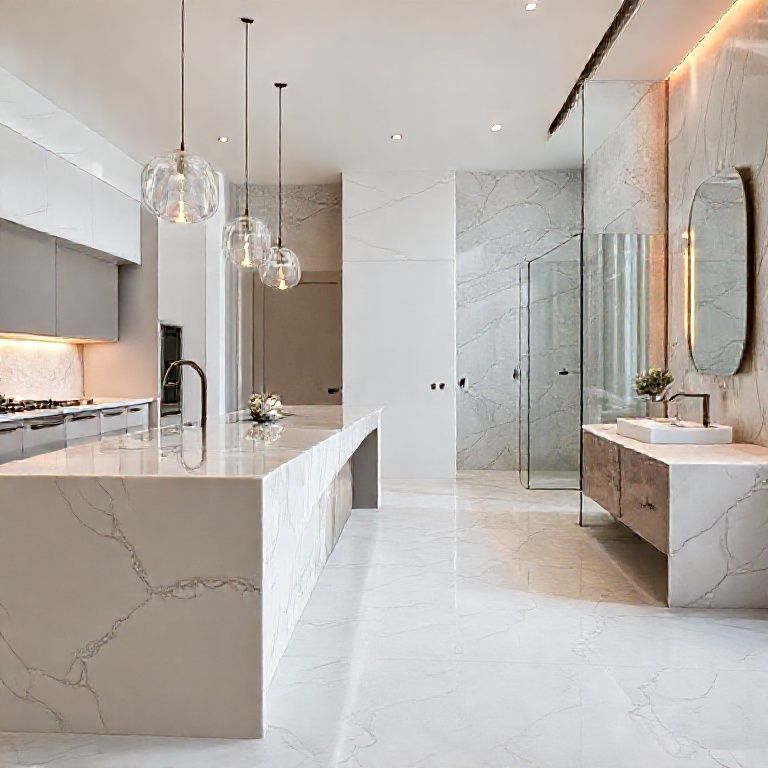
Another factor driving the popularity of the 15mm thickness is the evolution of kitchen technology. We are seeing a surge in integrated appliances and flush-mount cooktops. A thinner slab makes these installations look seamless. It also opens up possibilities for “waterfall” edges that don’t look overly bulky as they cascade to the floor. When you use a thinner material for a waterfall island, the result is a sleek, continuous ribbon of stone that feels like a piece of contemporary art rather than a structural pillar.
Price is, of course, a lingering thought in the back of everyone’s mind. Opting for 1.5cm quartz can often be a savvy financial move. Since the material volume is lower, the cost of the raw slab is typically less than its 2cm or 3cm siblings. Furthermore, the weight reduction makes transportation and installation significantly easier. A lighter slab puts less stress on your cabinetry, which means you don’t necessarily need to reinforce your base units to the same degree you would for a massive 3cm granite top. This “trickle-down” savings effect allows you to perhaps reallocate your budget toward a higher-grade quartz pattern or that designer faucet you’ve been eyeing.
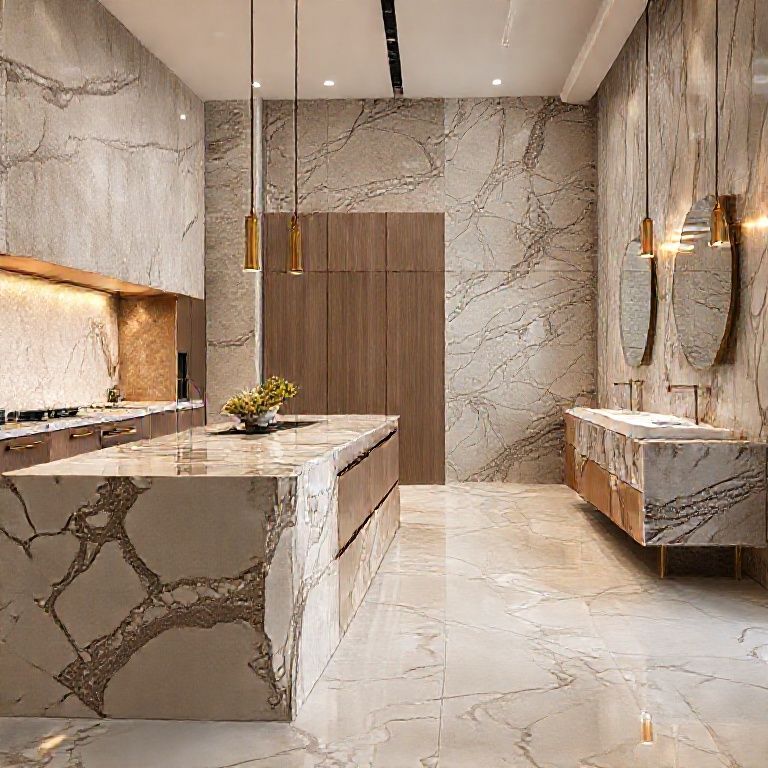
However, choosing 1.5cm isn’t just about saving pennies; it’s about the versatility of application. Beyond the countertop, the 15mm thickness is the “Goldilocks” zone for backsplashes and wall cladding. Using the same material for both the counter and the wall creates a stunning, cohesive look. A 3cm slab on a wall is often too heavy and takes up too much vertical space, but 1.5cm is perfect. It’s light enough to be mounted securely but thick enough to provide that rich, tactile feel of real stone.
When people ask, “Is 1.5cm thickness okay?” they are often really asking if they will regret it in five years. The answer lies in the harmony between design and execution. If you love the look of slim, sharp lines and you’re working with a professional installer who understands how to support the material, 1.5cm isn’t just “okay”—it’s a masterstroke. It signals a move away from the “bigger is better” mentality and toward a more curated, thoughtful approach to home design. In the following section, we’ll dive into the technicalities of making 1.5cm work perfectly, from the importance of underlayment to the edge profiles that make this thickness truly shine.
Transitioning from the “why” to the “how,” it’s time to address the practical side of living with and installing 1.5cm quartz. While it is incredibly stylish, success with a thinner slab lies in the details of the installation. One of the most common misconceptions is that a thin slab will simply “crack” under the weight of a heavy pot or a person leaning on it. In reality, the longevity of a countertop—regardless of thickness—depends almost entirely on the levelness and support of the cabinets beneath it.
For a 1.5cm quartz installation, many professionals suggest using a plywood underlayment or a “built-up” support system. This provides a solid, flat foundation that absorbs the stresses of daily use. Some designers prefer to use a “mitered edge” technique to get the best of both worlds. Imagine a 1.5cm slab that is folded over at the front edge to create the appearance of a 4cm or 5cm block. This gives you the visual weight of a thick countertop while maintaining the lighter weight and cost-efficiency of the 15mm material. However, if you are a purist who loves the thin look, you can leave the edge as is. A “pencil edge” or a “micro-bevel” on a 1.5cm slab creates a sophisticated, razor-sharp finish that is currently very popular in high-end loft designs in cities like New York and Berlin.
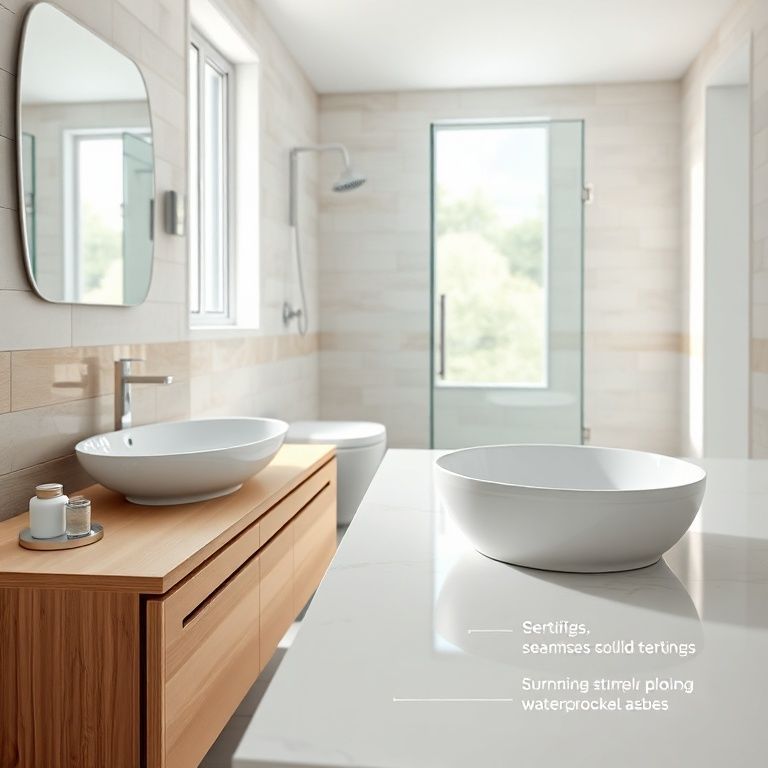
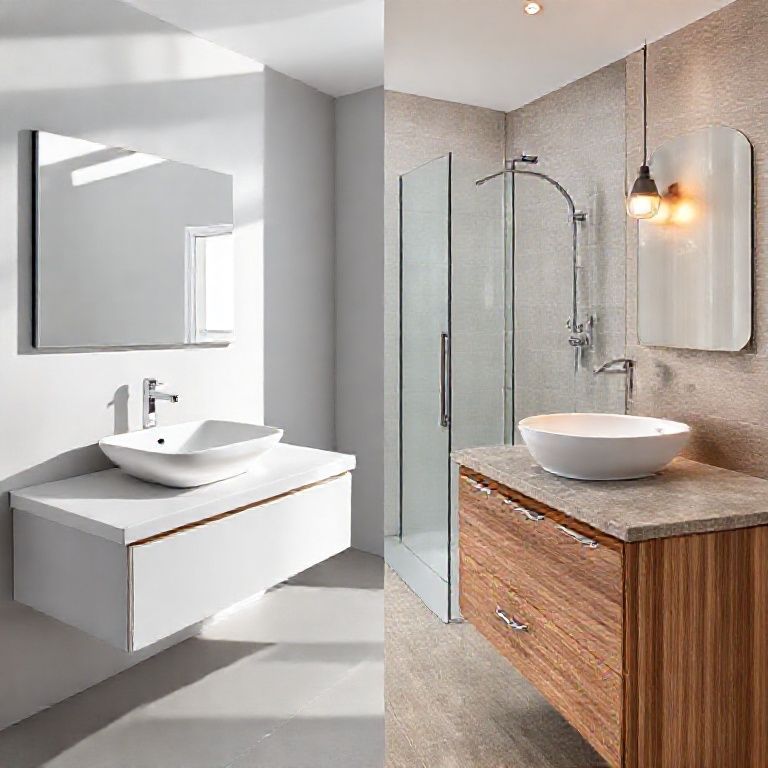
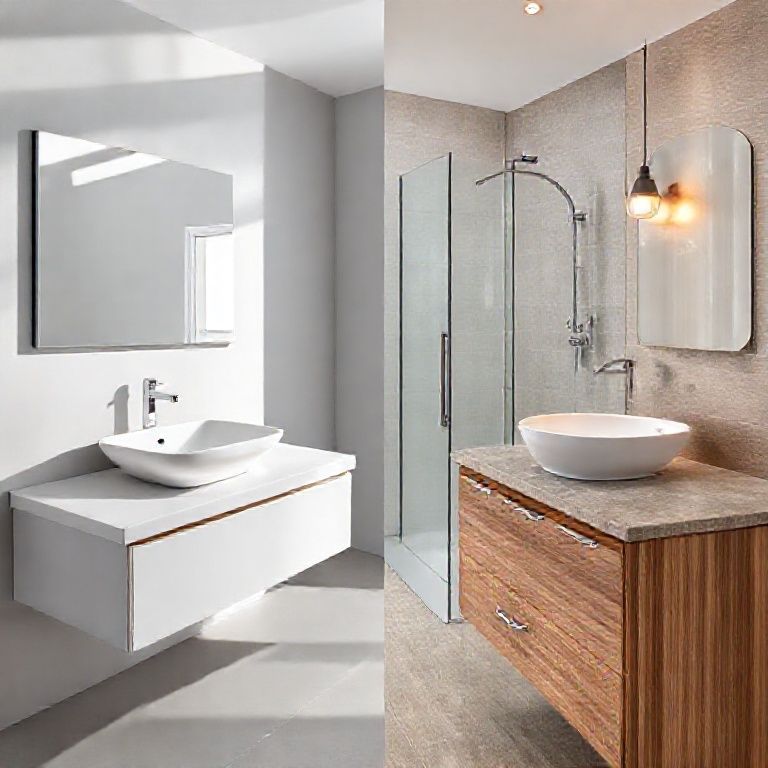
Let’s talk about the bathroom, another realm where the 1.5cm quartz slab reigns supreme. Bathroom vanities are often smaller than kitchen islands, and a 3cm slab can easily overwhelm a compact space. Using 15mm quartz for a vanity top, especially when paired with a vessel sink, creates a spa-like, boutique hotel vibe. It feels light, airy, and modern. Furthermore, quartz is the ideal material for bathrooms because of its resistance to moisture, makeup stains, and hair products. You get the aesthetic of delicate stone with the “bulletproof” nature of engineered quartz.
One of the hidden benefits of the 1.5cm thickness that rarely gets mentioned is the ease of customization. Because the material is easier to cut and handle, fabricators can often achieve more intricate shapes or tighter radiuses. If you have a kitchen with unique angles or a custom-built breakfast nook, 15mm quartz is far more cooperative than thicker, more brittle materials. It allows for a level of creative freedom that can turn a standard kitchen into a bespoke masterpiece.
There’s also the environmental and logistical perspective to consider. In an era where we are becoming more conscious of our footprint, using less material is generally a better path. Shipping 1.5cm slabs consumes less fuel compared to 3cm slabs, and the extraction process for the raw materials is more efficient per square foot of finished counter. It’s a “leaner” way to build. When you choose 15mm, you’re participating in a more sustainable supply chain without sacrificing an ounce of luxury.
Now, is there ever a time when 1.5cm isn’t the best choice? Certainly. If you are going for a rustic, farmhouse aesthetic with heavy wooden beams and a “shabby chic” vibe, the thinness of a 15mm slab might feel out of place. This style usually calls for the chunky, grounded feel of a 3cm or even 4cm edge. Similarly, if you have an extra-long overhang for a breakfast bar (usually anything over 10-12 inches) without any support brackets, a thicker slab—or additional structural support—would be necessary to prevent bowing or tipping. But even in these cases, the 1.5cm slab can be used if you simply add the right steel supports underneath, which remain hidden from view.
The “1.5cm revolution” is largely about breaking old habits. We’ve been told for decades that thickness equals quality, but in the world of modern materials, that’s a fallacy. Think of a high-end smartphone or a luxury watch; they are valued for being thin, light, and incredibly strong. Why should our kitchen counters be any different? The technology used to create quartz today is so advanced that a 15mm slab is more than capable of handling the “battlefield” of a busy family kitchen. It resists scratches, it laughs at lemon juice and red wine stains, and it won’t require the tedious sealing that natural stone demands every year.
Ultimately, choosing 1.5cm quartz is a vote for the future. It’s a choice for those who appreciate the “less is more” philosophy and who want their home to feel contemporary rather than dated. It’s for the homeowner who looks at a sleek, 15mm edge and sees a reflection of their own modern taste. So, if you’ve been staring at a sample and wondering if it’s “enough,” rest assured. It’s more than enough. It’s a versatile, durable, and breathtakingly beautiful way to crown your cabinetry.
When you finally run your hand across that smooth, cool surface on the first morning after your renovation is complete, you won’t be thinking about the centimeters. You’ll be thinking about how perfectly the light hits the edge, how easy it is to wipe away a spill, and how your kitchen finally feels like the sophisticated space you always knew it could be. The 1.5cm quartz slab isn’t just a building material; it’s a design statement that proves true elegance doesn’t need to be heavy to be felt.