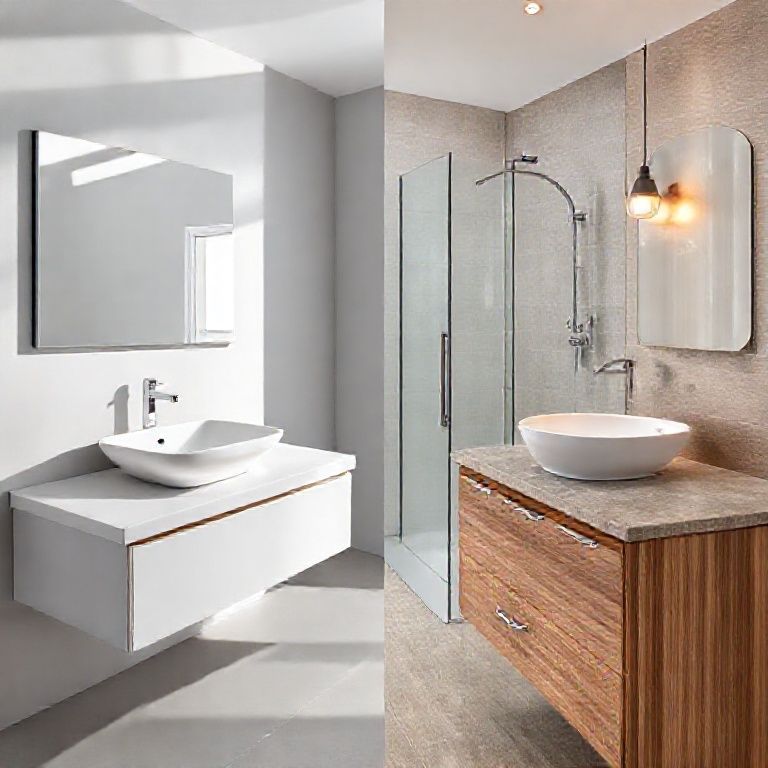
The kitchen has undergone a radical transformation over the last decade. It is no longer just a utility room tucked away at the back of the house; it has become the social epicenter, the design focal point, and the ultimate statement of a homeowner’s personal style. When you’re standing in the middle of a renovation, staring at samples, one question inevitably rises to the surface: “How much is 1.5cm quartz stone per meter?” It sounds like a simple technical inquiry, but the answer is woven into a tapestry of design trends, manufacturing precision, and long-term investment value.
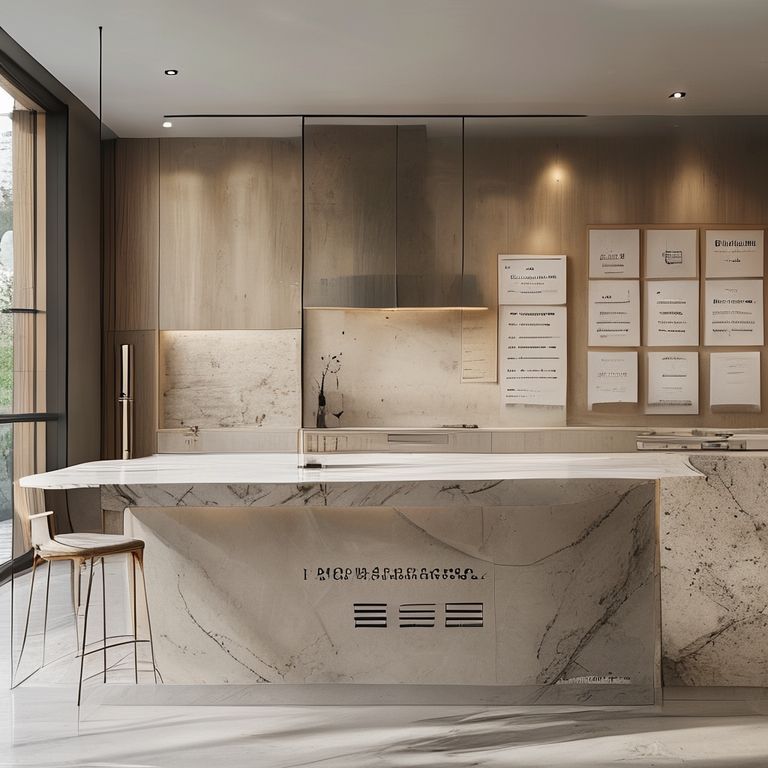
For years, the industry standard for countertops hovered around the 2cm to 3cm mark. These thick, chunky slabs screamed traditional luxury. However, as the “less is more” philosophy of European minimalism began to dominate global interior design, the 1.5cm quartz slab emerged as the “it” girl of the renovation world. It offers a sleek, razor-thin profile that feels architectural and avant-garde. But before you fall in love with the look, you need to understand the economics behind it.
Generally speaking, when people ask about the price of 1.5cm quartz stone per meter, they are looking at a range that can fluctuate wildly based on several variables. In the current market, you might find entry-level quartz starting around $60 to $100 per linear meter, while high-end, designer-branded slabs can easily soar past $300 or even $500 per meter. Why such a massive gap? It’s not just about the thickness; it’s about what is packed into that 1.5cm.
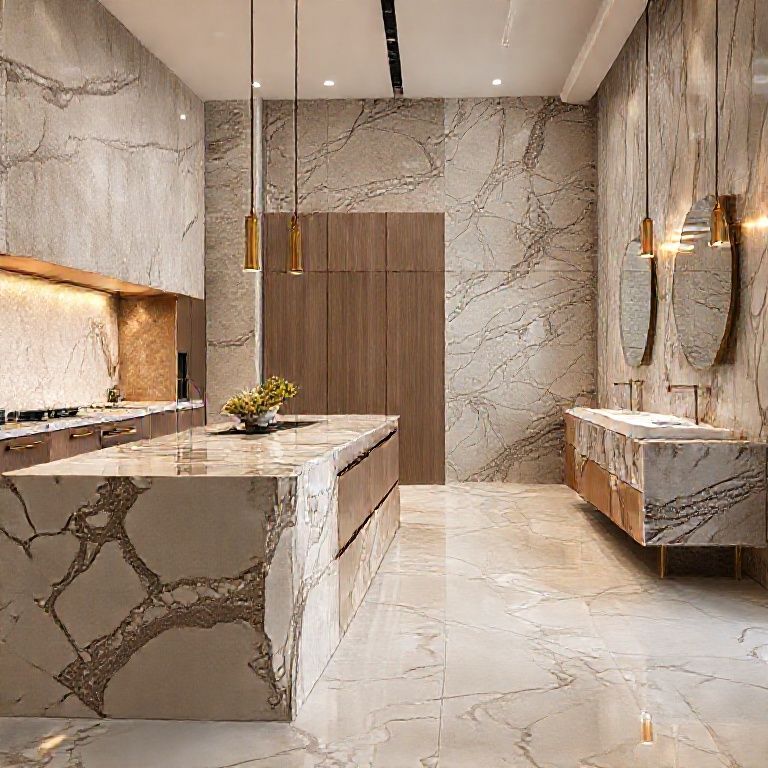
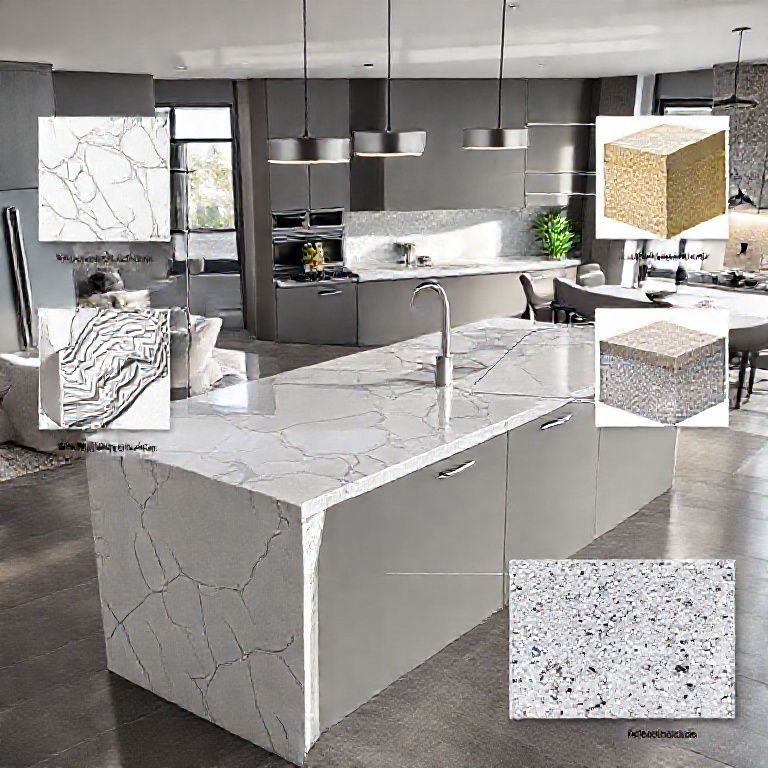
Quartz is a man-made engineered stone, typically composed of about 90-94% ground natural quartz and 6-10% resins and pigments. The price of a 1.5cm slab is heavily influenced by the quality of these components. Premium brands invest heavily in R&D to create “veining” that mimics natural Calacatta marble or exotic granites. Achieving a realistic, deep-veined look in a thinner 1.5cm profile requires sophisticated machinery and high-pressure vacuum vibration systems. When you pay a premium, you aren’t just paying for the stone; you’re paying for the artistry of a surface that looks like it was plucked from an Italian quarry but performs with the resilience of modern technology.
Furthermore, the 1.5cm thickness offers a specific logistical advantage that reflects in the pricing. Because these slabs are lighter than their 3cm counterparts, shipping and handling costs are often lower. However, don’t let the “thinner equals cheaper” logic fool you. While you might save on the raw material volume, the fabrication process for 1.5cm quartz requires a high level of skill. Because the material is thinner, it requires a perfectly level cabinetry base. If your cabinets are even slightly off-kilter, a thin quartz slab is more susceptible to cracking under localized pressure compared to a thicker, more forgiving 3cm slab. Therefore, the “price per meter” you see on a sticker often needs to be balanced against the cost of expert installation.
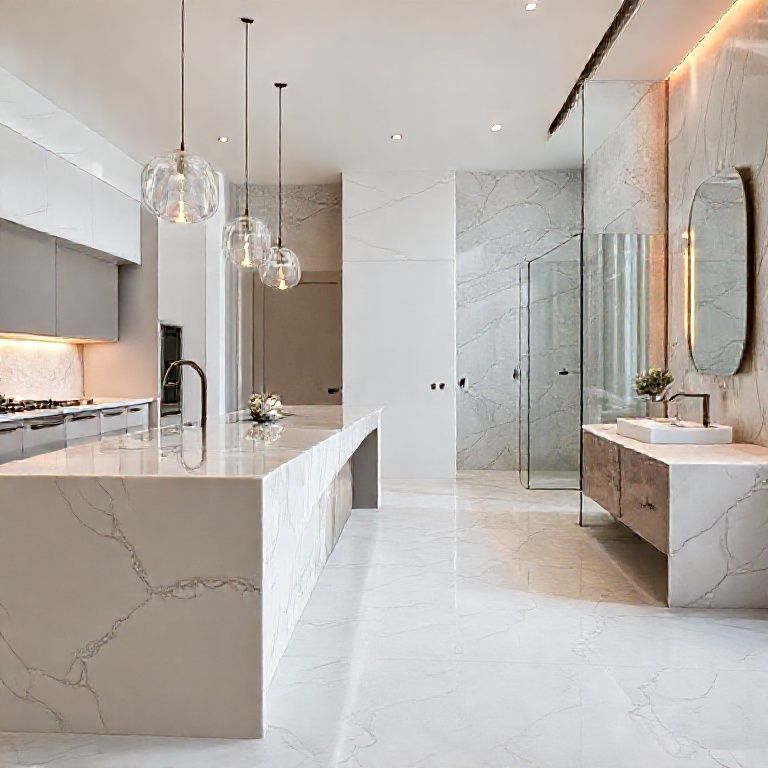
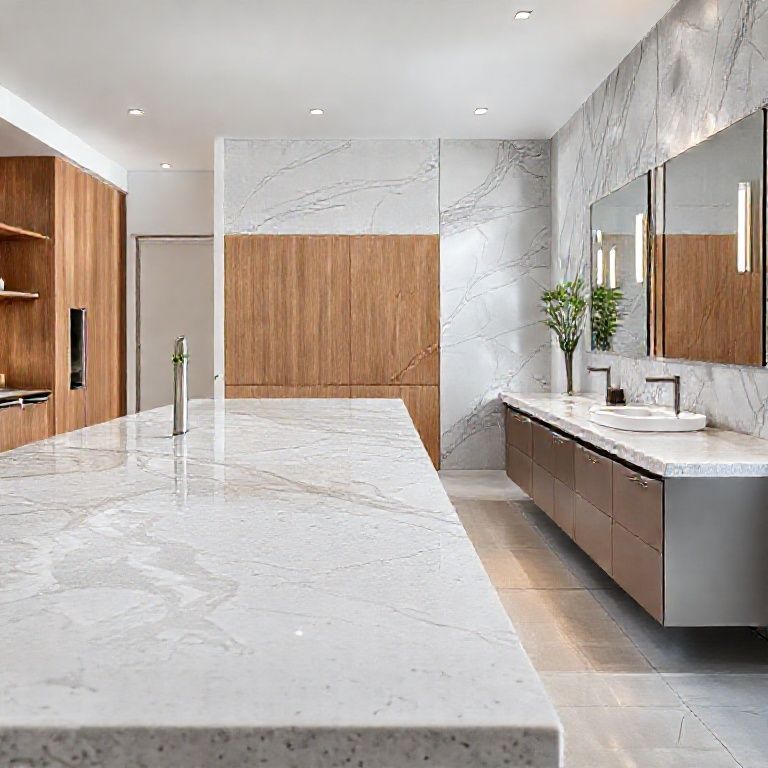
Color also plays a massive role in the pricing tiers. Solid colors—whites, greys, and blacks—are usually the most budget-friendly. They are the workhorses of the industry. But move into the territory of “sparkle” quartz (with embedded glass or mirrors) or the sophisticated matte and “leathered” finishes, and the price climbs. The 1.5cm profile is particularly stunning in a pure, clinical white. It creates a “floating” effect for the countertop that is synonymous with ultra-modern, handle-less kitchen designs.
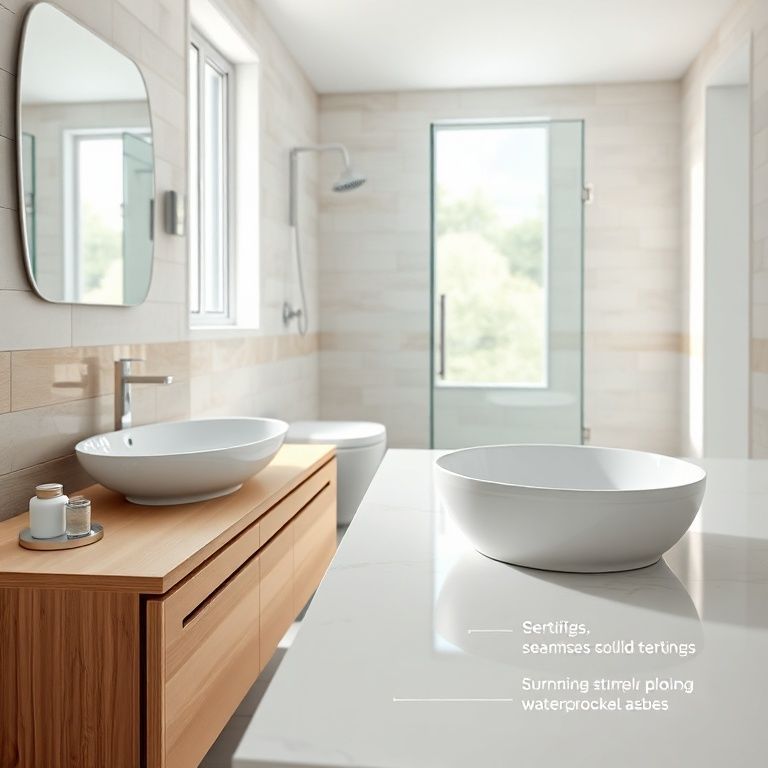
When you are calculating your budget, you have to look at the “meter” measurement carefully. Is the supplier quoting you for a linear meter or a square meter? In the world of kitchen islands, which are often deeper than the standard 60cm countertop, switching to square meter pricing can change your math significantly. A 1.5cm slab is often the perfect choice for vertical applications too—think backsplashes that match the countertop perfectly or even wall cladding in a luxury bathroom. This versatility is part of why the demand for this specific thickness has skyrocketed.
Ultimately, the 1.5cm quartz stone is a choice for the discerning eye. It’s for the person who values precision over bulk. It’s for the homeowner who wants their kitchen to look like a page out of an architectural digest rather than a traditional farmhouse. As we move into the specifics of what makes this material a powerhouse of durability in Part 2, keep in mind that the “price” is merely the entry fee for a surface that will likely outlast the house itself.
Continuing our deep dive into the world of 1.5cm quartz, it’s essential to look beyond the initial price tag and consider the “cost of ownership.” When you ask how much 1.5cm quartz stone costs per meter, the savvy response is to ask: “How much time and money will this save me over the next twenty years?”
One of the most compelling arguments for quartz—regardless of thickness—is its non-porous nature. Unlike marble or granite, which require periodic sealing to prevent staining and bacterial growth, quartz is virtually impenetrable. In a 1.5cm format, you get all that industrial-strength protection in a lightweight package. This means that while you might spend a bit more upfront per meter than you would on a cheap laminate or a mid-range wood surface, you are eliminating the future costs of sanders, sealants, and specialized stone cleaners.
The durability of 1.5cm quartz is often underestimated. People see the thin profile and assume it’s fragile. On the contrary, quartz is one of the hardest minerals on Earth. On the Mohs scale of mineral hardness, quartz usually sits at a 7, whereas marble is typically a 3. This means your 1.5cm countertop is incredibly resistant to scratches from knives and impact from heavy pots. However, a factor that influences the price per meter is the “resin-to-stone” ratio. Cheaper quartz slabs often use more resin and less stone to cut costs. These slabs are more prone to “scorching” if you set a hot pan down or yellowing if exposed to direct UV light from a kitchen window. High-quality 1.5cm quartz uses superior resins that handle thermal shock better, which is why the price for reputable brands remains firm.
Let’s talk about the “hidden” costs that round out the price per meter. When you get a quote, you need to ask if it includes the edge profiling. With a 1.5cm slab, the “mitered apron” is a popular choice. This is where the fabricator joins two pieces at a 45-degree angle to make the countertop look much thicker than it actually is—perhaps 5cm or 10cm. This gives you the aesthetic of a massive stone block without the weight or the material cost of a solid thick slab. However, the labor for a perfect mitered edge is intense. If you prefer the raw, thin 1.5cm edge for that minimalist look, the edge still needs to be polished to a high sheen. These finishing touches are where the “per meter” price starts to reflect the true craftsmanship of the project.
Another variable is the “cut-out” fee. Whether you want an under-mount sink or a flush-mounted cooktop, cutting into 1.5cm quartz requires precision water-jet tools. Because the material is thinner, there is less room for error. A master fabricator will charge more, but they ensure that the structural integrity of the slab remains intact around these openings.
In terms of global market trends, the 1.5cm quartz stone is seeing a surge in popularity because it fits the “Integrated Living” trend. Designers are now using the same 1.5cm quartz for the countertop, the backsplash, and even the dining table. This creates a monolithic, seamless look that expands the visual space of a room. When buying in bulk for multiple surfaces, you can often negotiate a better price per meter with suppliers, as they can optimize the “yield” from each large slab, reducing waste.
When you are out in the showrooms, don’t be afraid to ask for the “slab ID.” This allows you to research the specific manufacturer and ensure you aren’t getting a generic, low-quality knockoff. The difference in price between a $80/meter slab and a $180/meter slab often comes down to the quality control of the factory. The higher-priced slabs will have consistent color through the entire body of the stone, meaning if you chip a corner (which is rare), the color underneath is the same as the surface. Lower-quality slabs often have a “printed” surface that doesn’t go all the way through.
So, is 1.5cm quartz stone worth the price? If you are looking for a surface that blends the toughness of a diamond with the elegance of a silk ribbon, the answer is a resounding yes. It is the perfect marriage of form and function. It appeals to the practical side of your brain that wants a low-maintenance, hygienic surface, and the creative side of your brain that wants a kitchen that looks like a work of art.
In conclusion, while the price of 1.5cm quartz stone per meter varies based on brand, complexity of the pattern, and the skill of the installer, it remains one of the most high-value upgrades you can make to a home. It’s an investment in your property’s resale value and, more importantly, an investment in your daily joy. Every time you wipe down that smooth, cool surface, you’ll realize that the cost wasn’t just for a piece of stone—it was for the peace of mind and the stunning backdrop to a lifetime of meals and memories. Navigate the market with an eye for quality, and your 1.5cm quartz will be the centerpiece of your home for decades to come.