Maximizing Your Miniature Marvel: Designing a Functional and Fabulous 2m x 2.4m Kitchen (Part 1)
The heartbeat of any home often resides in its kitchen. It’s where culinary dreams are concocted, where family and friends gather, and where the day often begins and ends. But what happens when space is at a premium? For those blessed (or perhaps, challenged) with a compact kitchen measuring approximately 2 meters by 2.4 meters, the thought of creating a functional and stylish cooking area might seem like an insurmountable hurdle. Fear not, aspiring home chefs and design enthusiasts! This isn’t a space destined for frustration; it’s an opportunity for ingenious design, a canvas for clever solutions, and a chance to create a truly personalized culinary haven.
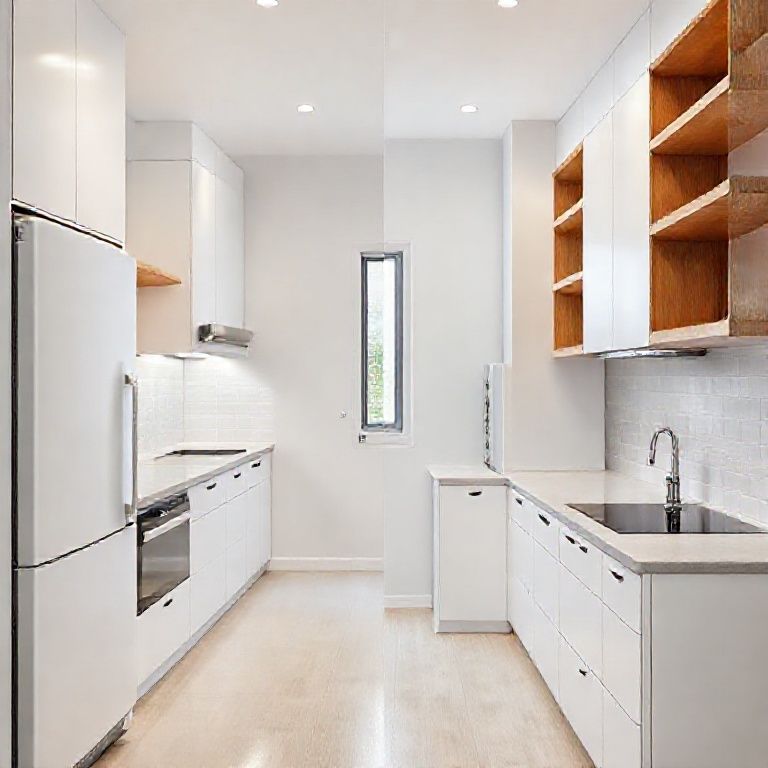
Let’s face it, a 2m x 2.4m kitchen isn’t exactly sprawling. It demands a thoughtful approach, a keen eye for efficiency, and a willingness to embrace smart design principles. The key here is to think vertically, embrace multi-functional elements, and prioritize workflow to ensure that every inch of this precious space works harmoniously. Forget the grand island dreams for now; this is about making the most of what you have, transforming potential constraints into charming features.
One of the most effective strategies for a narrow and relatively short kitchen like yours is to embrace the galley kitchen layout. Imagine two parallel walls, or a wall and a strategically placed, slim island or counter. This layout inherently promotes an efficient work triangle – the conceptual space between your sink, refrigerator, and stove. In a galley, these elements are often positioned along the two longer walls, creating a streamlined pathway for movement.
Consider your workflow: where do you prep food? Where do you wash dishes? Where do you cook? In a 2m x 2.4m galley, you’ll likely have your sink and dishwasher on one side, your cooktop and oven on the other, and the refrigerator positioned at one end. This creates a clear progression from storage (fridge) to cleaning (sink) to cooking (stove). The crucial element here is to ensure adequate clearance between the two main working sides. Aim for at least 1.2 meters to allow for comfortable movement, opening of appliance doors, and even the ability for two people to work in the kitchen simultaneously (albeit cozily!). If a full counter on the opposite side isn’t feasible due to the 2-meter width, consider a slim, mobile cart or a narrow, built-in counter that can serve multiple purposes.
Another highly adaptable layout for your dimensions is the L-shaped kitchen. This configuration utilizes two adjacent walls, forming an “L” shape. This is particularly beneficial as it opens up one corner of the kitchen, potentially allowing for a small breakfast nook or a more expansive prep area. In a 2m x 2.4m space, you might have your sink and dishwasher on the longer 2.4-meter wall, with your cooktop and oven on the shorter 2-meter wall. The refrigerator could then be placed at the end of either wall, depending on the flow and available space.
The beauty of an L-shaped layout in a compact kitchen is that it can feel less enclosed than a strict galley. It naturally creates distinct zones for different tasks and offers more flexibility for appliance placement. However, it’s vital to be mindful of the corner where the two walls meet. A poorly designed corner cabinet can become a black hole of lost storage. Opt for pull-out shelves, lazy Susans, or specialized corner drawer systems to maximize accessibility and usability.
When planning your layout, always start with the “work triangle” or, in a compact space, the “work line” or “work zones.” Identify your primary cooking, cleaning, and storage areas. Place your refrigerator, sink, and cooktop strategically to minimize unnecessary steps. For instance, having the refrigerator too far from the prep area or the sink can disrupt your flow. Think about where you’ll be doing most of your prep work – this area should ideally be located between the sink and the cooktop, offering easy access to both water and heat.
Appliance selection is paramount in a small kitchen. Opt for multi-functional appliances where possible. A microwave that also functions as a convection oven can save valuable counter space. Consider a slimline dishwasher if you have the budget and space, or make peace with hand-washing to free up cabinet space. For refrigerators, a counter-depth model will protrude less into your walkway, making the space feel more open. Induction cooktops are also a great choice for their sleek design and efficiency, and they often offer a flat surface that can be used for extra prep space when not in use.
Cabinetry and storage are where you truly unlock the potential of a small kitchen. Think vertically. Wall cabinets should extend as high as possible towards the ceiling. This creates a wealth of storage for less frequently used items, keeping your countertops clear. Consider open shelving for a few select items that you use often or for decorative purposes, which can make the space feel less closed off. However, be judicious with open shelving – it can quickly look cluttered if not maintained.
Deeper drawers are often more efficient than standard cabinets, allowing you to see and access items at the back more easily. Pull-out pantry shelves, spice racks that mount inside cabinet doors, and tiered drawer organizers are your best friends. Don’t overlook the space above your refrigerator; it can be ideal for storing platters or less-used kitchenware. Under-sink organizers are also essential for keeping cleaning supplies tidy.
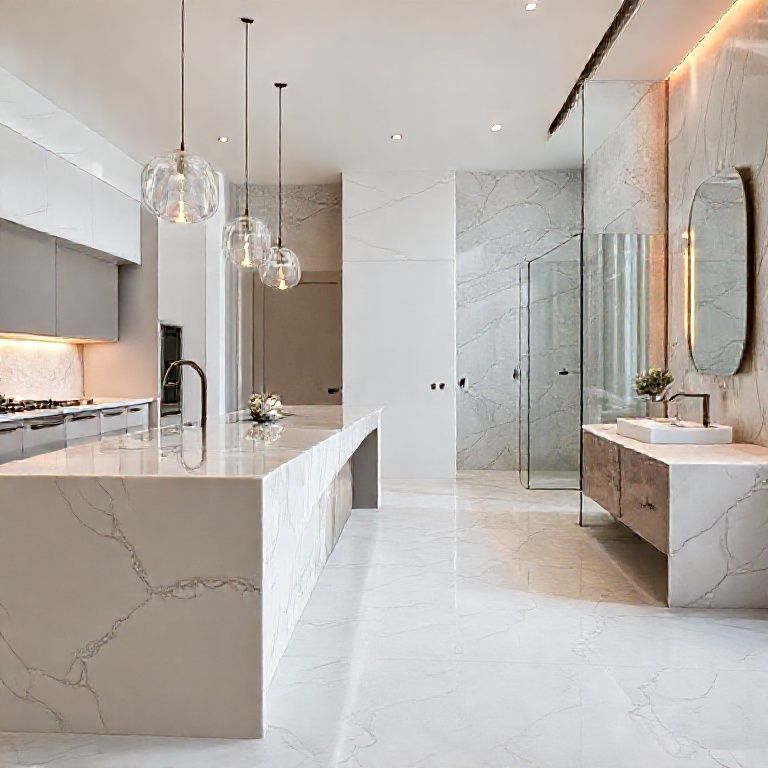
The color palette and materials you choose will significantly impact how the space feels. Lighter colors, such as whites, creams, pale grays, and soft pastels, will reflect light and make the kitchen appear larger and more open. High-gloss finishes on cabinets and countertops can also enhance the sense of space by reflecting light. Conversely, dark or overly busy patterns can make a small kitchen feel cramped and overwhelming.
Consider your lighting. Good lighting is crucial in any kitchen, but especially in a small one. Ensure you have adequate task lighting over your work surfaces – under-cabinet lighting is a game-changer for both functionality and ambiance. Overhead lighting should be bright enough to illuminate the entire space, and consider accent lighting to highlight features or add warmth.
As we move into Part 2, we’ll delve deeper into specific design tricks, explore clever storage solutions that you might not have considered, and discuss how to infuse your personality and style into your compact culinary world, ensuring your 2m x 2.4m kitchen is not just functional, but a joy to be in.
Maximizing Your Miniature Marvel: Designing a Functional and Fabulous 2m x 2.4m Kitchen (Part 2)
In Part 1, we laid the groundwork for transforming your 2m x 2.4m kitchen, exploring the fundamental layout options like the galley and L-shaped designs, and emphasizing the importance of workflow, appliance selection, and a light-filled aesthetic. Now, let’s dive deeper into the nitty-gritty of space optimization, clever storage hacks, and the subtle art of making your compact kitchen feel both spacious and undeniably stylish.
Beyond the basic layout, the concept of multi-functional furniture and fixtures becomes your secret weapon. Think beyond the standard. A slim, rolling kitchen cart can serve as extra prep space, a serving station for guests, or even a mobile pantry when needed. Some even have built-in cutting boards or wine racks. If you opt for a small dining area within your kitchen, consider a drop-leaf table that can be extended when in use and folded away to maximize floor space. Stools that tuck neatly underneath are also a smart choice.
Creative storage solutions are where the real magic happens in a small kitchen. Don’t just think about cabinets; think about every available surface. Magnetic knife strips mounted on the backsplash can free up valuable drawer space. Pegboards can be a stylish and functional way to store pots, pans, and utensils, adding a touch of industrial chic. Vertical dividers in drawers can keep your cutlery and cooking tools organized. For those awkwardly shaped items, consider custom-built inserts or drawer organizers designed for specific needs.
The often-underutilized space above your cabinets can be transformed into valuable storage by extending them to the ceiling. If this isn’t feasible, consider adding decorative bins or baskets to store items you don’t use daily. Pull-out spice racks that fit inside narrow cabinet spaces are a lifesaver. Even the sides of your cabinets can be utilized with magnetic strips for spice jars or hooks for oven mitts.
When it comes to your backsplash, think beyond just aesthetics. It can be a functional element. Consider tiles with integrated hooks for hanging utensils, or a magnetic backsplash that allows you to stick notes, recipes, or even small magnetic shelves. A mirrored backsplash can also work wonders in making the space feel larger and brighter by reflecting light.
Countertop space is a precious commodity in a small kitchen. Maximize it by keeping as much off the counter as possible. This means utilizing wall-mounted storage, drawer organizers, and ensuring appliances are put away when not in use. If you need extra prep space, consider a cutting board that fits over your sink or stovetop (when it’s cool, of course!). A small, strategically placed butcher block can also add a touch of warmth and provide a dedicated prep surface.
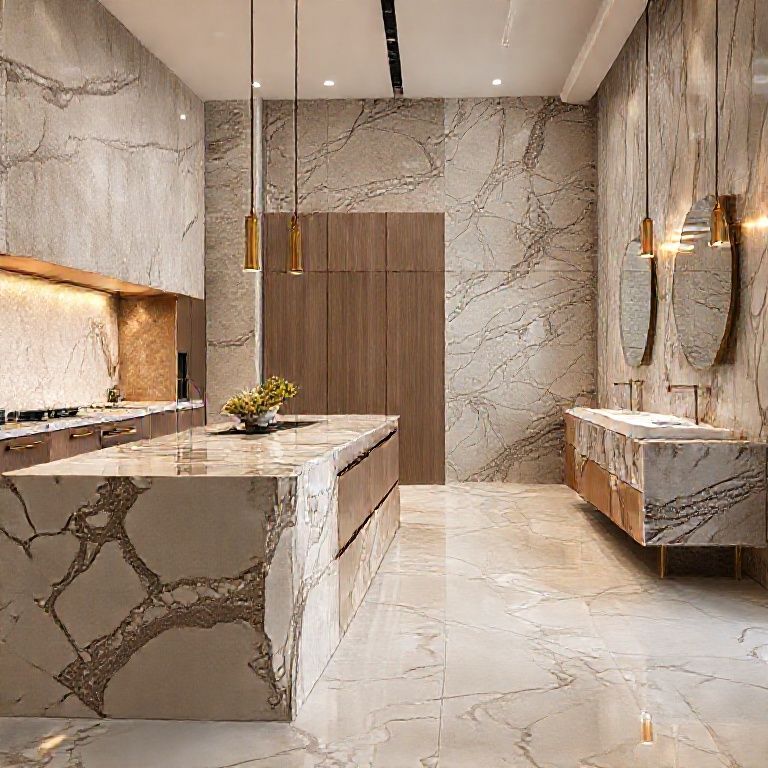
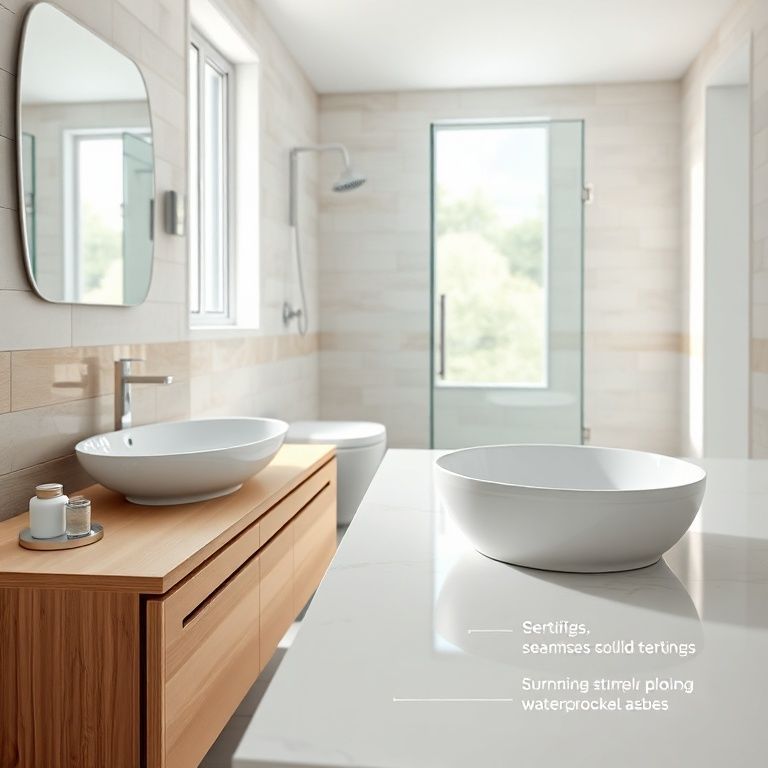
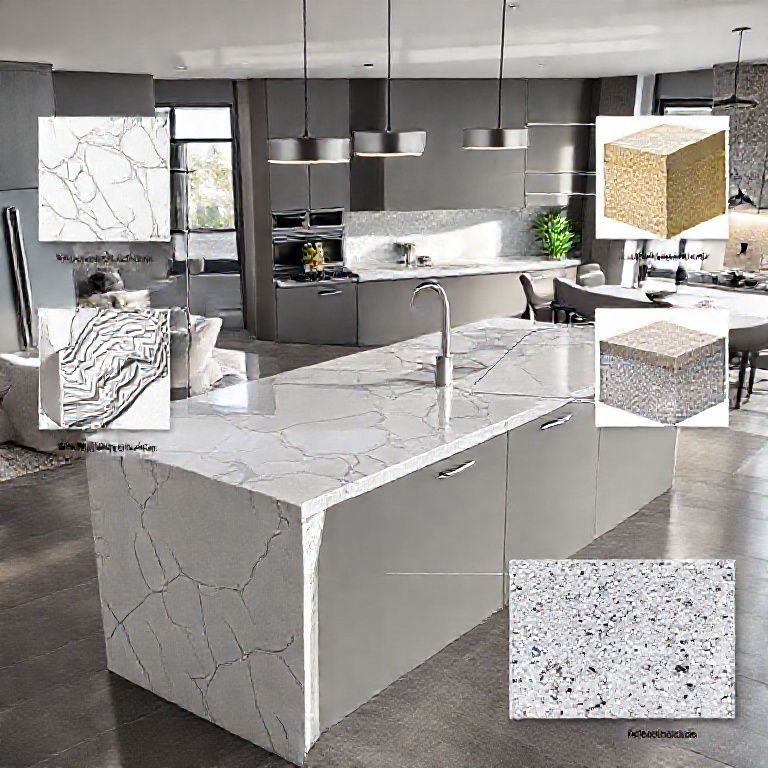
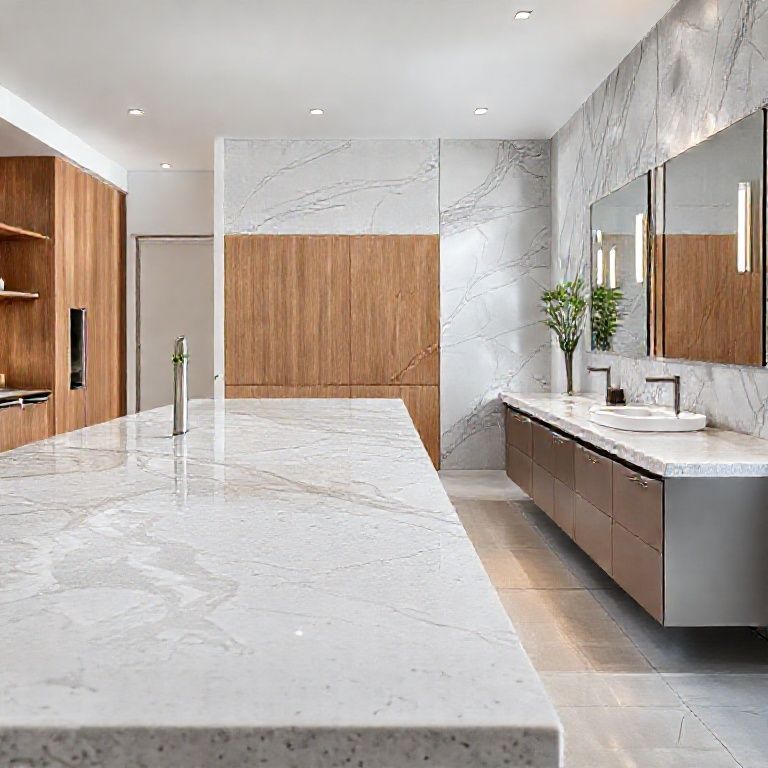
The color and material choices play a crucial role in how spacious your kitchen feels. As mentioned before, light colors are your allies. Consider a cohesive color scheme throughout your kitchen to create a sense of flow. For countertops, materials like quartz or solid surface in lighter hues can offer a seamless look and are durable. If you’re looking for a more budget-friendly option, laminate countertops in a light, solid color or subtle pattern can be a great choice. Avoid busy patterns or dark, heavy materials that can make the space feel smaller.
Lighting is not just about function; it’s about creating atmosphere. In a small kitchen, layering your lighting is key. Under-cabinet lighting is non-negotiable for task illumination. Ambient lighting from a stylish pendant or ceiling fixture sets the mood. Consider warmer light bulbs to create a cozy and inviting atmosphere. If your kitchen has a window, maximize natural light by keeping window treatments minimal and light.
Personalization is what truly brings a kitchen to life, regardless of its size. Incorporate elements that reflect your personality and your cooking style. A few well-chosen decorative items, like a colorful rug, unique canisters, or some fresh herbs in charming pots, can make a big difference. Don’t be afraid to display a few favorite pieces of pottery or artwork.
For instance, if you love to bake, designate a specific drawer or cabinet for baking supplies and ensure it’s well-organized. If you’re a coffee connoisseur, create a dedicated coffee station with your favorite mugs and brewing equipment. This thoughtful curation makes the space feel uniquely yours.
Finally, remember the importance of decluttering and organization. In a small space, clutter is amplified. Regularly go through your kitchen and donate or discard items you no longer use. A well-organized kitchen not only looks better but also functions more efficiently.
Designing a 2m x 2.4m kitchen is a delightful challenge that rewards creativity and meticulous planning. By embracing smart layouts, multi-functional elements, ingenious storage solutions, and a thoughtful approach to materials and lighting, you can transform this compact space into a highly functional, aesthetically pleasing, and utterly charming heart of your home. It’s about making every inch count, and in doing so, creating a culinary sanctuary that brings joy and efficiency to your everyday life. Your miniature marvel awaits its stylish and functional transformation!