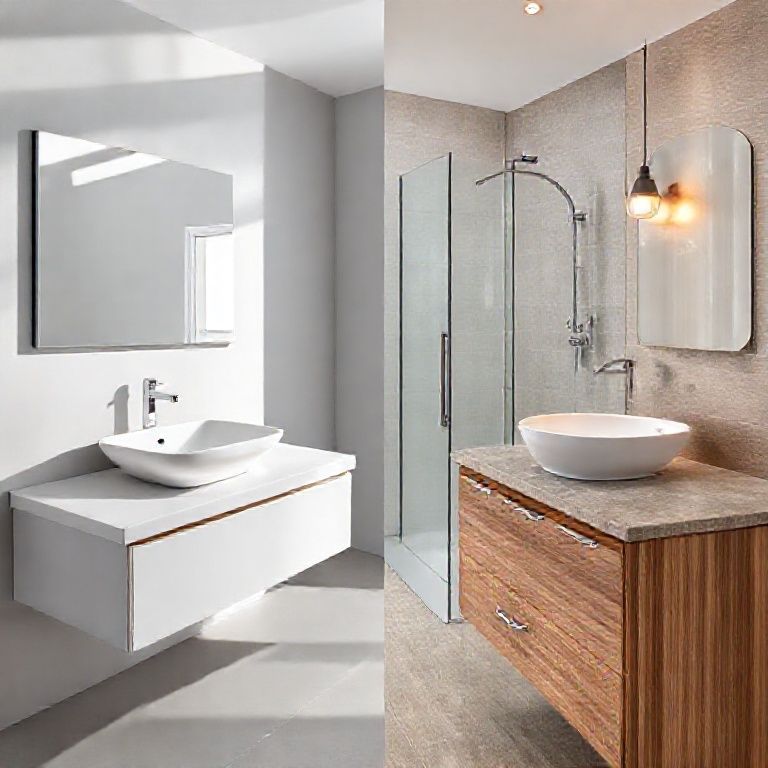
The allure of a beautiful, durable countertop is undeniable. For years, natural stone like granite and marble held the crown, promising timeless elegance and unmatched resilience. However, the price tag often associated with these geological wonders could make even the most enthusiastic renovator pause. Enter the world of artificial stone, a category that has exploded in popularity, not just for its aesthetic versatility and performance, but for its surprisingly accessible price point. The question on many minds, especially those embarking on a home improvement journey, is a simple yet crucial one: “人造石最便宜多少一平?” – What’s the cheapest price per square meter for artificial stone?
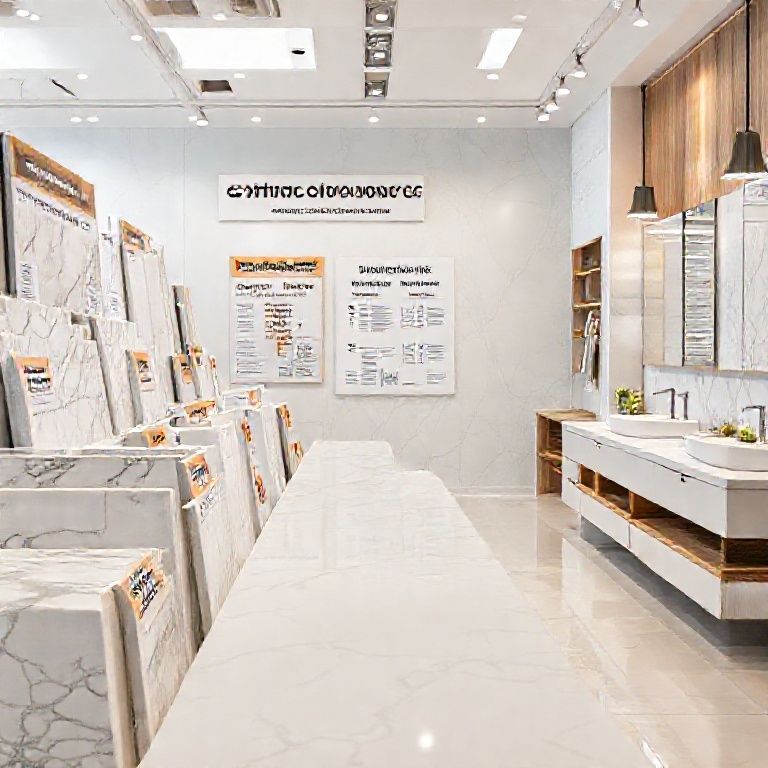
This isn’t a question with a single, simple answer, much like asking the price of a car without specifying make, model, or features. The world of artificial stone is diverse, encompassing a range of materials, manufacturing processes, and brands, all of which contribute to the final cost. However, understanding the factors that influence pricing can illuminate the path to finding the most budget-friendly options without compromising on quality or style.
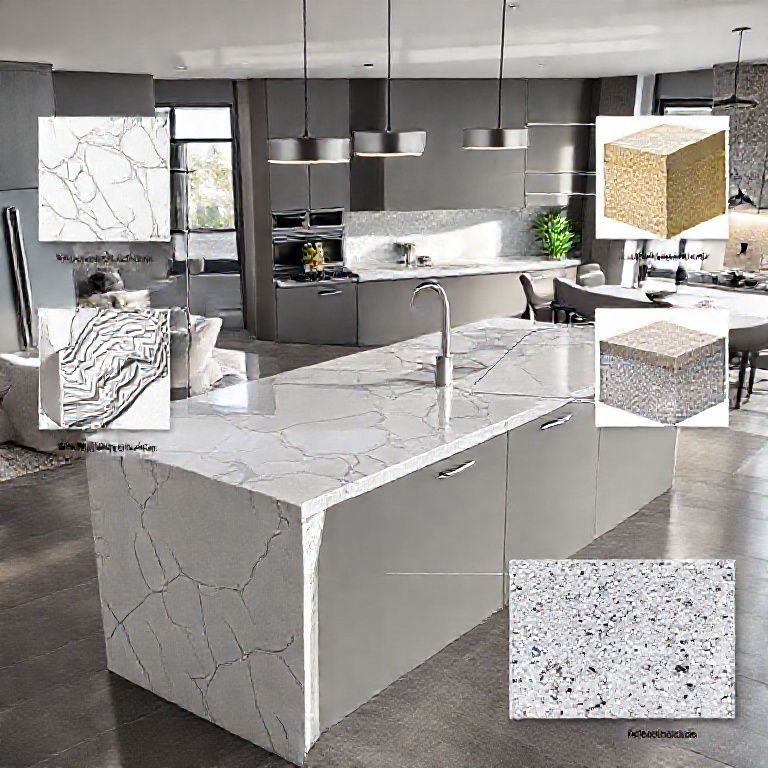
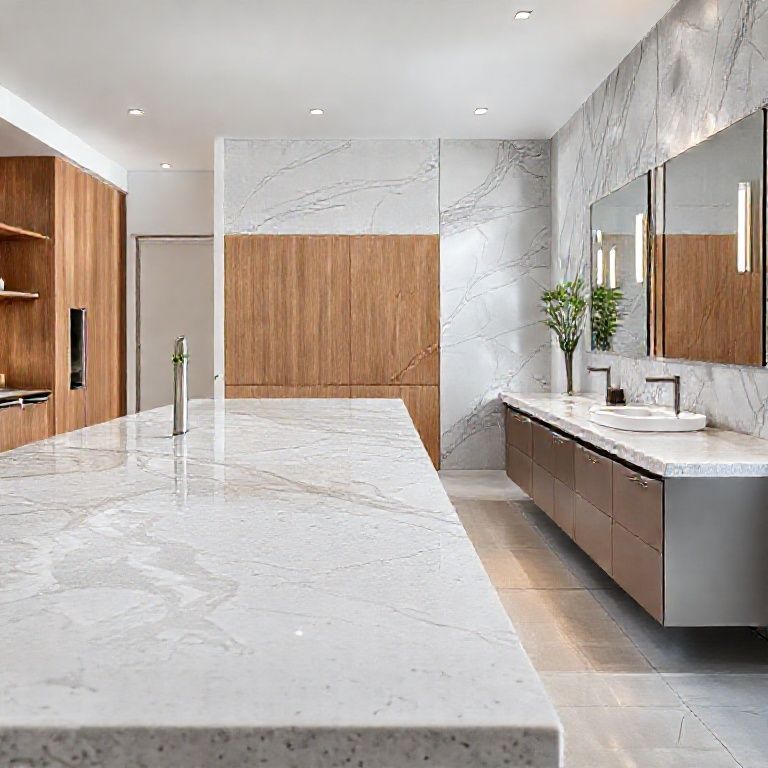
At its core, “artificial stone” is a broad term. The most prevalent and popular type often referred to in this context is engineered quartz. This isn’t simply “fake” stone; it’s a sophisticated composite material made from around 90-95% natural quartz crystals, mixed with resins, polymers, and pigments. This engineering process allows for incredible control over color, pattern, and even texture, offering a far more consistent and often more durable surface than many natural stones. Because the raw material (quartz) is abundant, and the manufacturing process is highly industrialized, engineered quartz can often be significantly more affordable than its natural counterparts, especially those exotic or rare granites and marbles.
Then there’s solid surface material, perhaps the original “artificial stone” that gained widespread recognition. Composed of acrylic polymers and mineral fillers, solid surface countertops are non-porous, seamless, and incredibly versatile. While they might not possess the same crystalline sparkle as quartz, they offer a smooth, modern aesthetic and are exceptionally easy to clean and repair. Their manufacturing process is also highly scalable, contributing to competitive pricing.
Beyond these two major players, other forms of artificial stone exist, including sintered stone, which is essentially a highly compressed and heated mixture of natural minerals, mimicking the look of natural stone but with enhanced durability and heat resistance. The technology behind sintered stone is newer, and its pricing can vary, sometimes positioning it at a premium, but increasingly, more budget-friendly options are emerging.
So, back to the price. When we talk about “人造石最便宜多少一平?”, we’re looking at a range that can start surprisingly low. For basic, solid-color engineered quartz or standard solid surface materials, you might find prices starting in the realm of RMB 200-400 per square meter (approximately $30-$60 USD). This is for the material itself, often including basic fabrication like straight edges. However, it’s crucial to understand that this is the entry-level.
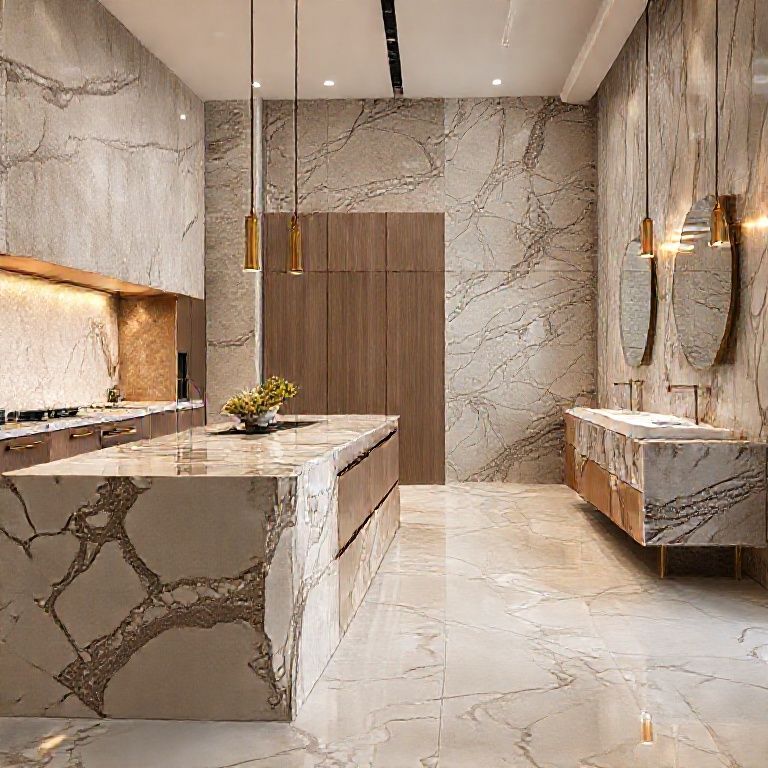
Several factors will nudge that price upwards, and it’s in understanding these that you can navigate the market effectively. The first and most obvious is the design. Simple, solid colors or subtle, uniform patterns are generally the least expensive. Intricate veining, complex marbling effects, or patterns that mimic specific rare natural stones will command higher prices due to the complexity of the manufacturing process and the pigments used. Think of it like buying paint – a single shade of white is cheaper than a custom-mixed metallic hue.
The thickness of the slab also plays a role. Standard countertop thickness is often around 20mm, but thicker slabs (30mm or more) will naturally cost more. Similarly, the dimensions of your project matter. Large, uninterrupted slabs might require more careful handling and transportation, potentially impacting the overall cost.
Fabrication is another significant cost component. While basic edge profiles like a straight or slightly rounded edge are usually included in the per-square-meter price, more elaborate edges – such as ogee, waterfall, or bullnose – require more time and specialized machinery, adding to the expense. The number of cutouts for sinks, cooktops, or faucets also contributes to the labor involved.
Installation is almost always an additional cost, and it’s a critical one. Proper installation ensures the longevity and seamless appearance of your countertop. The complexity of the kitchen layout, the accessibility of the space, and the intricacy of the installation will all influence this price. It’s always advisable to get installation quotes from reputable fabricators and installers, as a poorly installed countertop can lead to a host of problems down the line.
Finally, brand and manufacturer reputation can affect pricing. Well-known brands that have invested heavily in research and development, marketing, and quality control may charge a premium for their name and the perceived reliability they offer. However, this doesn’t mean that lesser-known brands are inherently inferior. Often, you can find excellent quality artificial stone from emerging manufacturers at a more competitive price. It’s worth exploring reviews and seeking recommendations to discover these hidden gems.
So, while the absolute cheapest “人造石” might hover around the RMB 200-400 mark for basic materials, a realistic budget for a well-designed, fabricated, and installed artificial stone countertop in a standard kitchen might range from RMB 600-1500 per square meter (approximately $90-$220 USD), depending heavily on the factors discussed. This still represents a significant saving compared to many natural stones, making a luxurious and durable kitchen surface a more achievable dream for a wider range of homeowners. The key to unlocking this affordability lies in understanding the nuances of the market and making informed choices that align with both your aesthetic desires and your financial realities.
Continuing our exploration into the economical appeal of artificial stone, the initial question – “人造石最便宜多少一平?” – opens a gateway to understanding how savvy consumers can leverage this material for maximum aesthetic and functional benefit without breaking the bank. We’ve established that the cheapest artificial stone can be found at the lower end of the price spectrum, primarily in basic engineered quartz and solid surface options. However, the true art of affordable countertop selection lies not just in finding the lowest price, but in understanding where to invest and where to save.
Let’s delve deeper into the materials themselves and how their inherent properties influence cost. Engineered quartz, as mentioned, is a dominant force in the market. Its affordability stems from the abundance of its primary component, quartz, which is one of the most common minerals on Earth. The manufacturing process, while sophisticated, is highly efficient and scalable, allowing for mass production and, consequently, lower per-unit costs. Basic engineered quartz, often in whites, grays, beiges, and blacks, with minimal veining or pattern, represents the entry point. These are fantastic for creating clean, modern, or minimalist aesthetics. For instance, a pure white engineered quartz can evoke the crispness of marble at a fraction of the cost and with superior stain resistance. Similarly, a uniform gray or black can provide a sleek, industrial feel that is both timeless and budget-friendly.
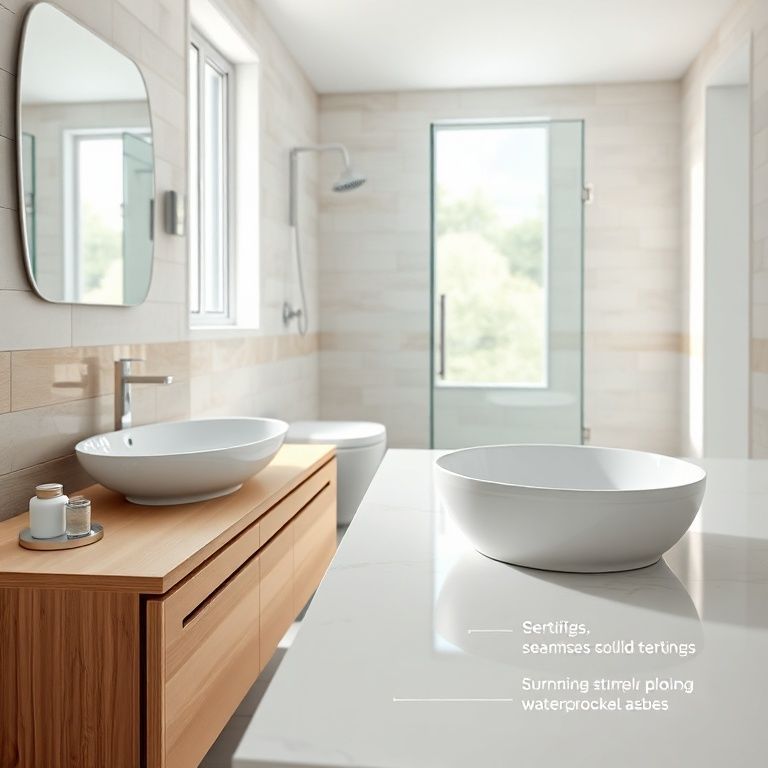
Solid surface materials, while perhaps less glamorous to some, offer exceptional value. Their construction, typically a blend of acrylic or polyester resins and mineral fillers, allows for incredible design flexibility, including the ability to create seamless countertops, integrated sinks, and even curved designs. The raw materials are generally less expensive than the high concentration of quartz required for engineered stone. Furthermore, solid surface is incredibly easy to repair. Minor scratches or chips can often be buffed out or filled in, extending the lifespan of the countertop and saving money on future replacements or extensive repairs. For bathrooms or kitchens where durability and ease of maintenance are paramount, and where avant-garde designs are not the primary focus, solid surface can be an exceptionally cost-effective choice.
When searching for the “cheapest” artificial stone, it’s imperative to differentiate between the material cost and the total project cost. The per-square-meter price quoted by a supplier might only cover the slab itself. However, the fabrication and installation are where significant costs can accumulate. This is where strategic decision-making becomes crucial.
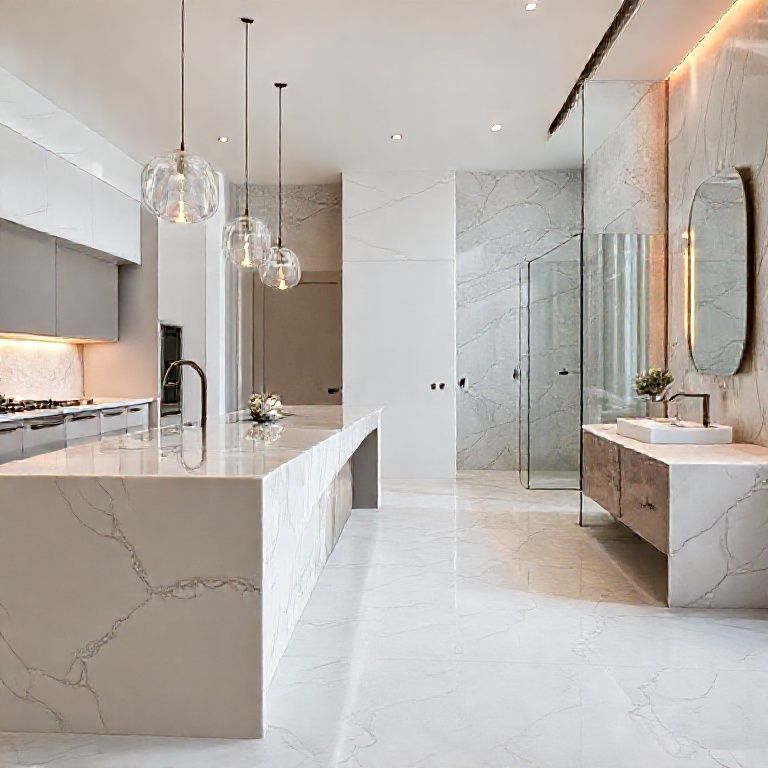
Consider the edge profile. A simple eased or square edge is usually the most economical. Intricate edges like a bullnose, cove, or ogee add labor and complexity, and thus, cost. If you’re on a tight budget, opting for a simpler edge can shave off a noticeable amount from your overall expenditure. Similarly, while a waterfall edge – where the countertop material extends vertically down the side of the cabinet – is undeniably dramatic, it requires significantly more material and fabrication expertise, making it a premium option.
Cutouts for sinks and cooktops also contribute to the fabrication cost. Multiple or unusually shaped cutouts will increase the labor involved. If you’re choosing a new sink or cooktop, consider models that have standard dimensions and placement, which can simplify the fabrication process for your countertop.
The installation process itself can also be a point of negotiation. While you should never compromise on the quality of installation, understanding the factors that influence its cost can help. For example, if your kitchen layout is straightforward, with easy access for the installation team, you might secure a more competitive installation quote. Conversely, complex layouts, multi-story buildings, or tight spaces can increase the time and effort required, leading to higher installation fees.
The adage “you get what you pay for” certainly has some truth in the world of artificial stone, but it’s not always a direct correlation. While ultra-cheap, unbranded options might come with quality concerns, there’s a sweet spot where excellent value can be found. Exploring local fabricators and smaller, independent suppliers can sometimes yield better prices than large, national chains. These businesses often have lower overheads and can pass those savings onto the consumer. Obtaining multiple quotes is paramount. Don’t settle for the first price you receive. Contact at least three different suppliers and fabricators to compare not only the price but also the warranty, customer service, and turnaround time.
Furthermore, consider the origin of the material. While many engineered quartz brands are manufactured globally, domestic production can sometimes offer logistical advantages and potentially lower shipping costs, which might be reflected in the final price. However, this isn’t a hard and fast rule, and international sourcing can also lead to competitive pricing due to economies of scale.
The “cheapest” artificial stone, therefore, isn’t a fixed price point but rather a result of informed choices. It involves selecting the right type of artificial stone for your needs – often basic engineered quartz or solid surface for entry-level pricing. It means understanding the cost implications of design choices like edge profiles and cutouts. Crucially, it involves diligent research, obtaining multiple quotes, and working with reputable, yet potentially cost-effective, fabricators and installers.
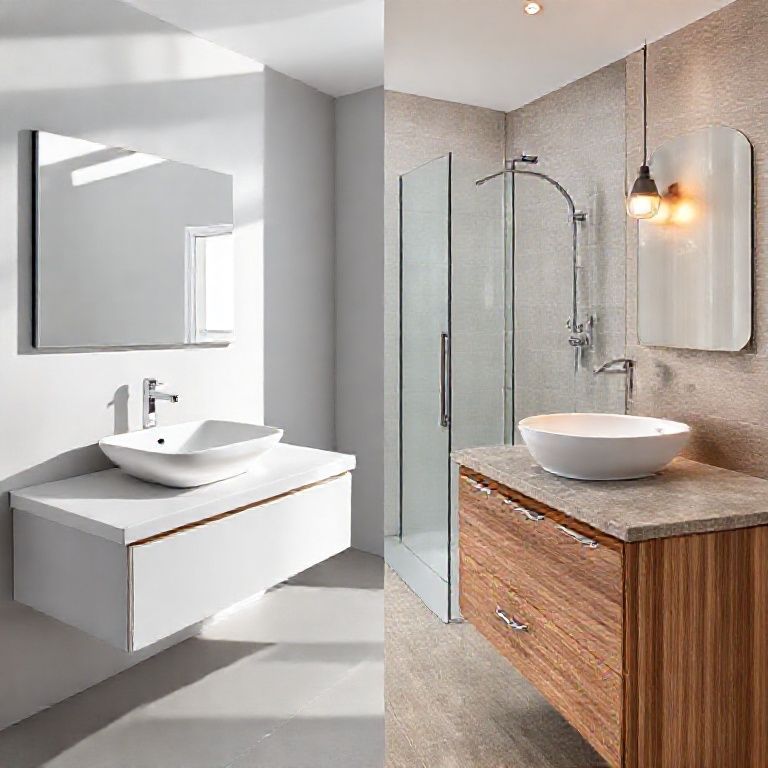
For a truly budget-conscious renovation, consider the simpler, solid-color options in engineered quartz or solid surface. These materials, when properly fabricated and installed, can still offer a sophisticated and highly functional surface. A basic, white solid surface countertop can be incredibly effective in a small bathroom, providing a clean, modern look that is easy to maintain and won’t feel dated. In a kitchen, a simple gray or beige engineered quartz can serve as a durable and attractive workhorse.
The initial investment in a more budget-friendly artificial stone doesn’t mean sacrificing long-term value. The durability, low maintenance, and resistance to stains and scratches inherent in these materials mean they will continue to look good and perform well for years to come, offering a superior return on investment compared to cheaper, less durable alternatives. So, while “人造石最便宜多少一平?” might point towards a starting price, the true value lies in how you navigate the options to achieve a beautiful, functional, and affordable countertop that perfectly suits your home and your lifestyle. The dream of a stunning kitchen or bathroom is more attainable than ever, thanks to the clever engineering and accessible pricing of artificial stone.