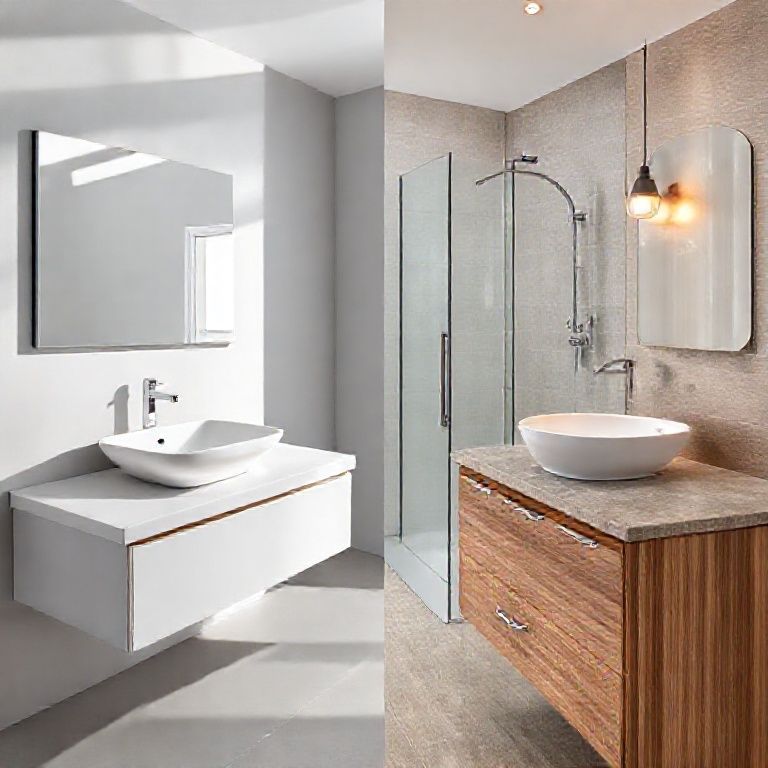
The heart of any home beats strongest in the kitchen, and at its center often lies the countertop – a surface that’s both a functional workhorse and a significant design element. When considering an upgrade or a brand-new build, the question of “人造石厨房台面多少钱一米” (how much does an artificial stone kitchen countertop cost per meter) is a natural and crucial one. While direct translation might leave us a tad lost, the underlying sentiment is clear: homeowners are seeking clarity on the investment required for stylish, durable, and practical kitchen surfaces. In the realm of artificial stone, quartz countertops have emerged as a shining star, captivating designers and homeowners alike with their unique blend of engineered perfection and aesthetic appeal.
Let’s demystify the concept of “artificial stone” in this context. While the term can encompass various manufactured materials, when we speak of premium kitchen countertops, we’re often referring to engineered quartz. This isn’t your grandmother’s laminate; quartz countertops are a sophisticated composite made from approximately 90-95% natural quartz crystals, bound together with high-performance polymer resins and pigments. This fusion creates a material that is not only visually stunning but also possesses a remarkable set of practical advantages that address the very concerns driving the initial price inquiry.
So, how much does this beauty cost per meter? The truth is, there’s no single, definitive answer. The price of quartz countertops per linear meter (or linear foot, depending on your region) is a dynamic figure influenced by a fascinating interplay of factors. Think of it like buying a tailored suit versus an off-the-rack one – the level of customization, the quality of the materials, and the intricacy of the work all contribute to the final price.
One of the most significant determinants is the brand and manufacturer. Just as with luxury cars or designer clothing, established quartz brands often command a premium due to their reputation for quality control, innovation in design, and extensive research and development. These brands invest heavily in ensuring consistent color, pattern, and durability across their product lines. Smaller, regional manufacturers or lesser-known brands might offer more competitive pricing, but it’s always prudent to investigate their track record and warranty offerings.
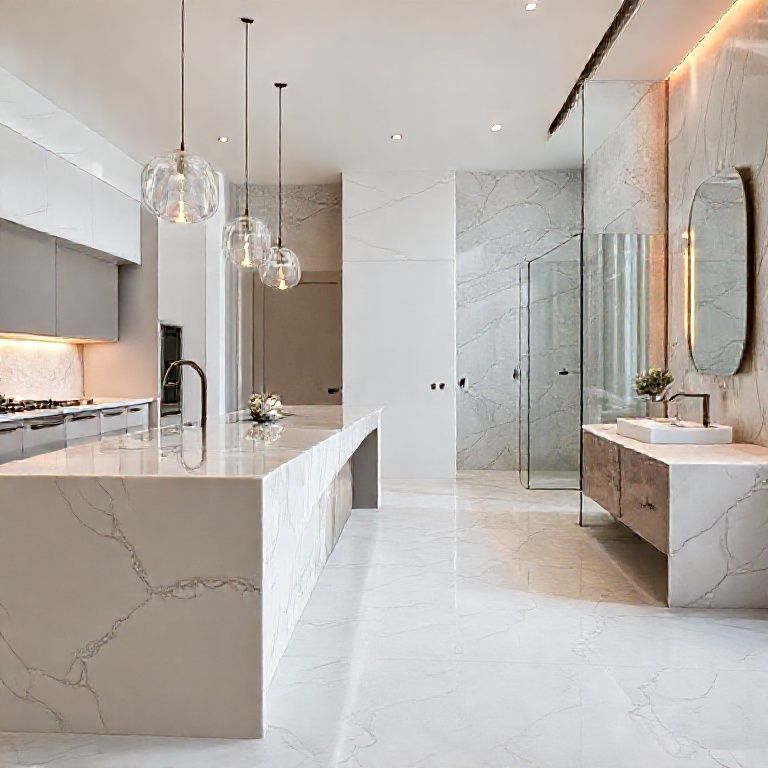
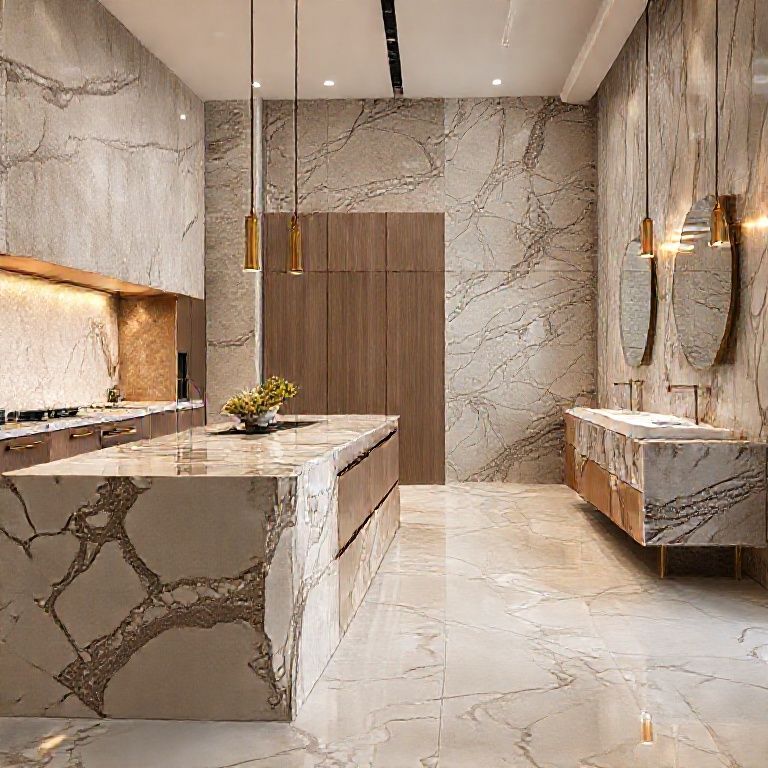
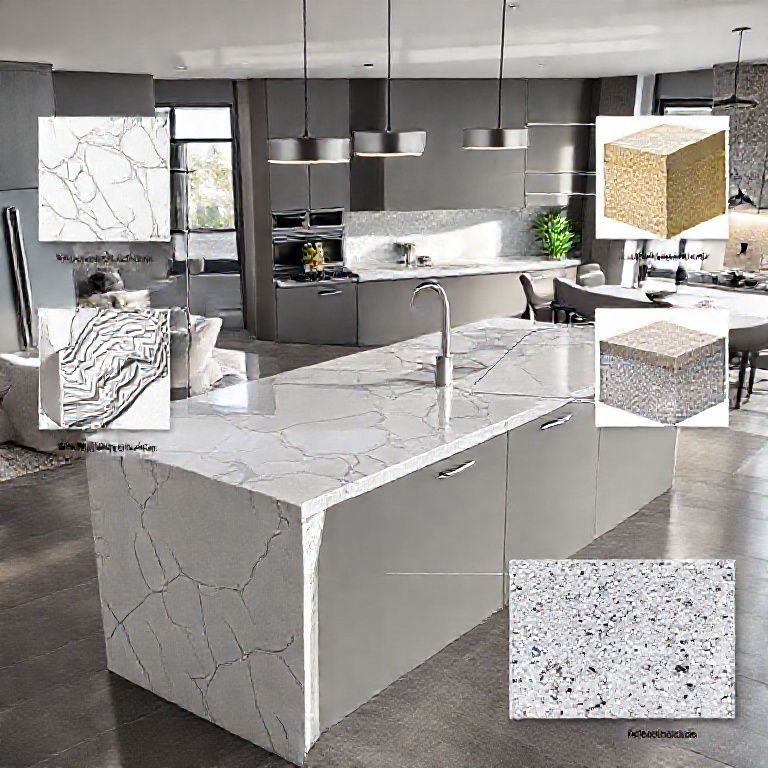
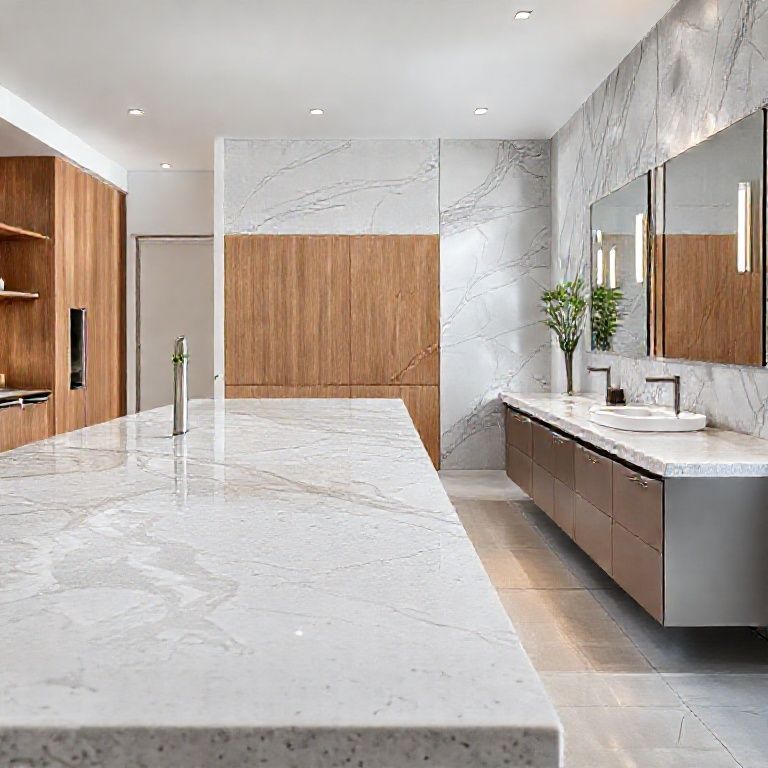
Next on the list is the complexity and style of the design. Quartz is incredibly versatile, capable of mimicking the natural beauty of marble, granite, or even concrete, while offering superior performance. The more intricate the pattern or the rarer the aesthetic, the higher the cost per meter might be. Simple, solid colors or subtle, uniform patterns are typically more budget-friendly than dramatic veining or complex speckling that requires precise engineering to achieve. Imagine a perfectly uniform white quartz versus a meticulously crafted imitation of Calacatta marble with its bold, organic striations – the latter requires more sophisticated manufacturing processes.
The thickness of the slab also plays a role. Standard countertop thickness often hovers around 2cm (¾ inch) or 3cm (1 ¼ inch). Thicker slabs inherently use more material and can therefore be more expensive per meter. However, the perceived robustness and aesthetic heft of a thicker countertop can be a significant draw for many.
Then there’s the edge profile. The edges of your countertop aren’t just functional; they’re a design statement. A simple, straight edge (e.g., eased or square edge) is usually included in the base price. However, opt for more elaborate profiles like bullnose, ogee, or mitered edges, and you’ll see the price per meter increase due to the additional labor and precision required to craft them.
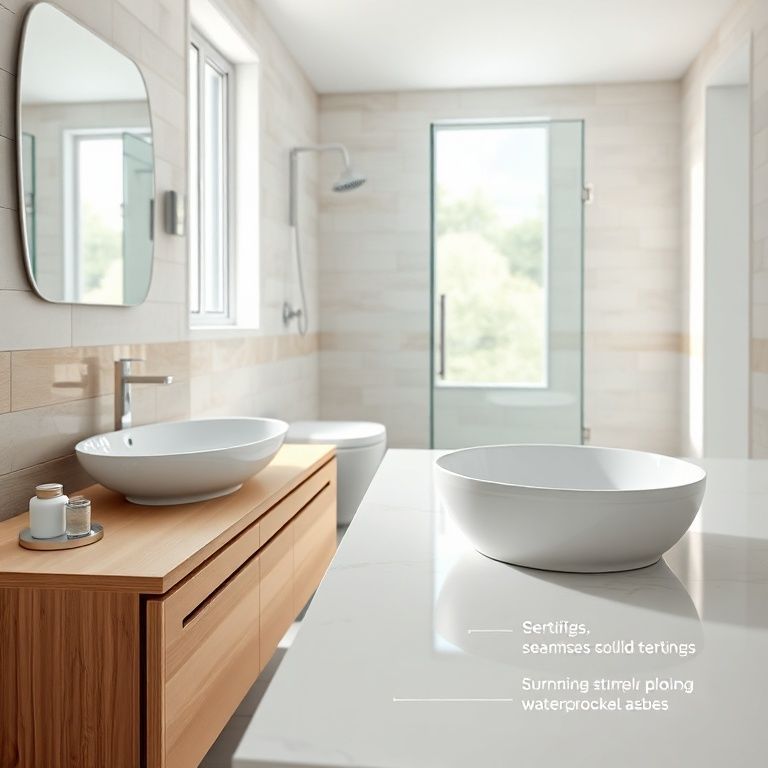
Beyond the material itself, the installation process is a critical component of the overall cost. This isn’t a DIY job for most homeowners. Professional installation ensures a seamless fit, proper sealing (though quartz is non-porous, the seams are still important), and structural integrity. The complexity of your kitchen layout – the number of seams, the need for cutouts for sinks and cooktops, and the accessibility of the space – will all factor into the installation quote.
Finally, consider the labor and fabrication. This encompasses the cutting, shaping, and finishing of the quartz slabs to perfectly match your kitchen’s dimensions and design specifications. Highly skilled fabricators can work wonders, but their expertise comes at a price.
When you begin to receive quotes, you’ll notice that prices are often quoted per square meter or square foot, and then the installation and fabrication are itemized separately. To give you a ballpark idea, in many Western markets, basic quartz countertops can range from approximately $300 to $700 per square meter for the material alone, with installation and fabrication adding another $200 to $500 per square meter. However, these figures can fluctuate significantly based on the factors mentioned above, and for premium designs or specialized installations, the cost can certainly climb higher.
The beauty of understanding these variables is that it empowers you, the homeowner, to make informed decisions. You can balance your aesthetic desires with your budget, choosing a quartz pattern and finish that speaks to your style without breaking the bank. It’s about finding that sweet spot where durability meets design, and where your investment translates into years of enjoyment and enhanced home value.
Having navigated the initial pricing landscape of quartz countertops, it’s time to delve deeper into the dazzling array of options that contribute to its appeal and, consequently, its cost. The “人造石厨房台面多少钱一米” question is not just about a number; it’s about understanding the value proposition of a material that offers unparalleled versatility in design. Quartz countertops are a testament to modern material science, allowing for a spectrum of looks that can satisfy almost any kitchen aesthetic, from the ultra-modern minimalist to the warmly traditional.
One of the most compelling aspects of quartz is its unwavering consistency in color and pattern. Unlike natural stones, which can have variations in veins, speckles, and overall tone from slab to slab, engineered quartz is manufactured under controlled conditions. This means that the sample you see in the showroom is precisely what you’ll get in your kitchen. This predictability is a significant advantage, especially for homeowners who have a very specific design vision. This consistency also plays a role in pricing; while complex patterns can command a higher price, the reliability of the outcome often justifies the investment for designers and homeowners seeking a flawless finish.
The range of colors and patterns available in quartz is truly astounding. You can find everything from pristine whites and subtle creams to deep blacks and sophisticated grays. Beyond solid colors, quartz can expertly mimic the natural veining of marble, the rugged texture of granite, or the industrial chic of concrete. This mimicry is not superficial; advanced manufacturing techniques allow for the replication of intricate details, making it difficult to distinguish from the natural stone it emulates. For instance, the ever-popular Carrara or Calacatta marble looks can be achieved with quartz, offering the same visual drama without the porosity and maintenance concerns of natural marble. This design flexibility is a primary driver of quartz’s popularity and contributes to its varied pricing. A quartz that flawlessly replicates a rare and exotic marble will naturally be priced higher than a simple, single-color option.
The durability and low maintenance of quartz are key selling points that contribute significantly to its perceived value and justify its price point. Quartz is inherently non-porous, meaning it doesn’t absorb liquids like wine, coffee, or oil. This makes it highly resistant to staining, a common concern with many natural stone countertops. Furthermore, it’s resistant to scratches and chips, making it a robust choice for busy kitchens where cutting, chopping, and everyday wear and tear are expected. Unlike natural stone, quartz does not require regular sealing to maintain its protective qualities. This absence of mandatory sealing translates into a lower long-term maintenance cost for the homeowner, a factor that should be factored into the “how much per meter” equation. While the initial outlay might be higher than some alternatives, the reduced need for specialized cleaners and periodic sealing saves money and time over the lifespan of the countertop.
The environmental considerations of quartz countertops are also becoming increasingly important for many homeowners. While it is an engineered product, the primary component is natural quartz, a readily available mineral. Manufacturers are also increasingly focusing on sustainable production practices, using recycled materials in some formulations and optimizing energy consumption in their factories. The longevity of quartz also contributes to sustainability; a durable countertop that lasts for decades reduces the need for premature replacement, thereby minimizing waste.
When discussing the price per meter, it’s also important to consider the warranty offered by the manufacturer. Reputable quartz brands typically offer substantial warranties, often ranging from 10 to 25 years, covering manufacturing defects. This warranty provides peace of mind and further underscores the quality and durability of the product. A longer, more comprehensive warranty often comes with a higher price tag, reflecting the manufacturer’s confidence in their product’s longevity.
The origin of the quartz and the manufacturing location can also subtly influence pricing. While quartz is a globally sourced material, the location of fabrication and manufacturing can impact shipping costs and labor expenses. For instance, countertops fabricated closer to your installation site might have lower transportation costs factored into the price per meter.
Ultimately, the question “人造石厨房台面多少钱一米” is an invitation to explore a world of possibilities. It’s not just about finding the cheapest option, but about identifying the best value for your specific needs and aspirations. Quartz countertops offer a compelling combination of aesthetic beauty, exceptional durability, and low maintenance that makes them a worthwhile investment for any kitchen renovation or new build. By understanding the factors that influence their cost – from the brand and design complexity to the thickness and edge profiles – you can confidently navigate the market and select a countertop that not only fits your budget but also elevates your kitchen to a space of enduring style and functionality. The journey to your dream kitchen begins with informed choices, and with quartz, those choices are as beautiful as they are practical.