The kitchen has long been heralded as the heart of the home, but in the last decade, it has also become the crown jewel of interior design. As we move away from the heavy, chunky aesthetics of the early 2000s, a new protagonist has emerged in the world of surfaces: the 1.5cm quartz countertop. Often referred to in the industry as the “slim profile,” this specific thickness strikes a perfect balance between ethereal elegance and industrial-grade durability. But when you’re planning a remodel, the first question is rarely about the mineral composition—it’s about the bottom line. What is the actual 1.5cm quartz countertop price, and why does it vary so wildly from one showroom to the next?
To understand the pricing, you first have to understand the allure. The 1.5cm thickness (approximately 5/8 of an inch) is the darling of the “Modern Minimalist” and “Contemporary Chic” movements. While the traditional 3cm slabs provide a sense of permanence and weight, the 1.5cm profile offers a streamlined, sharp look that complements flat-panel cabinetry and handleless designs. It feels lighter, more architectural, and arguably more sophisticated. However, don’t let the “thinner” profile fool you into thinking it’s a budget-basement option. In the world of premium surfacing, thinner can sometimes mean more specialized handling.
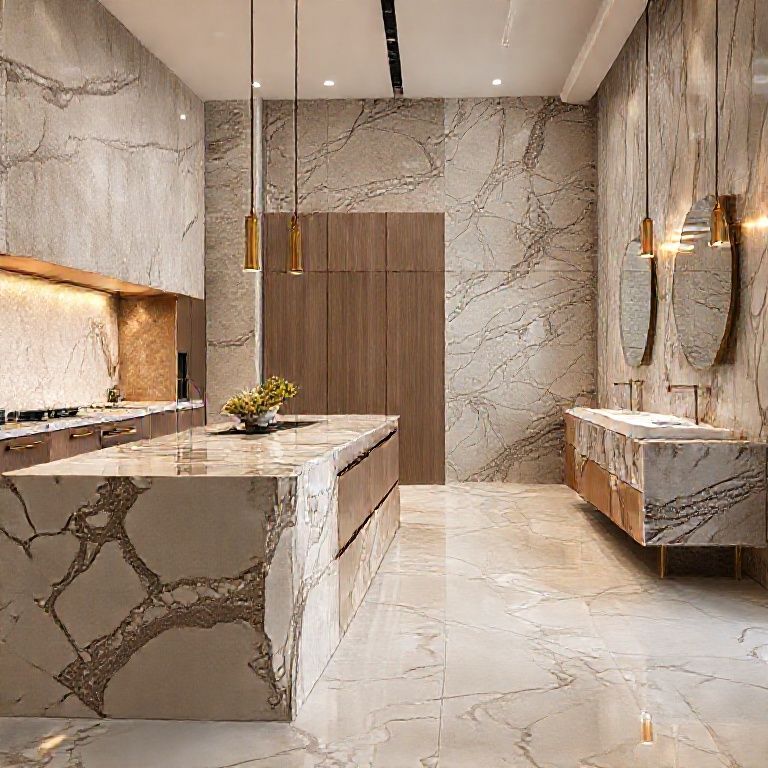
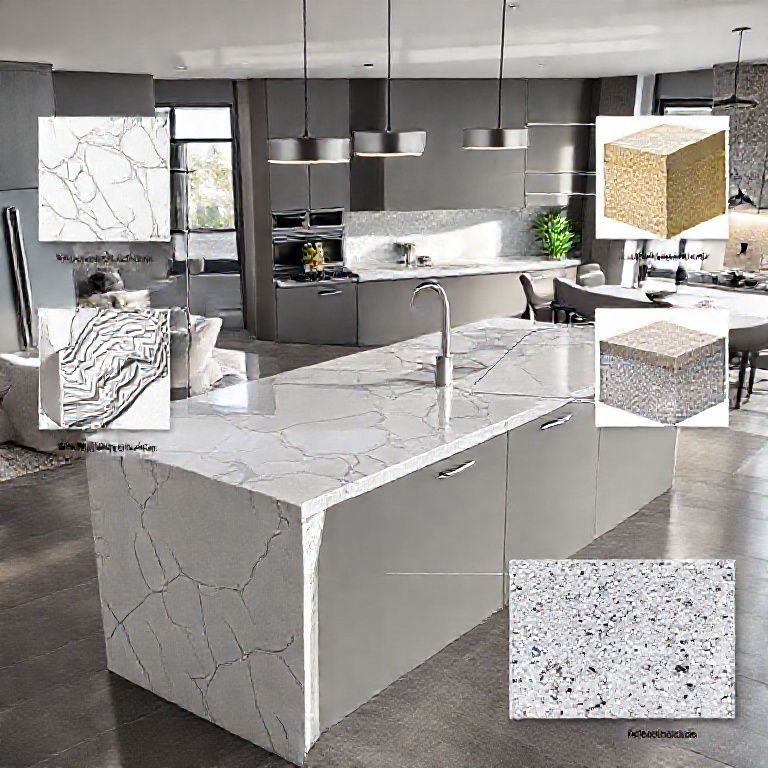
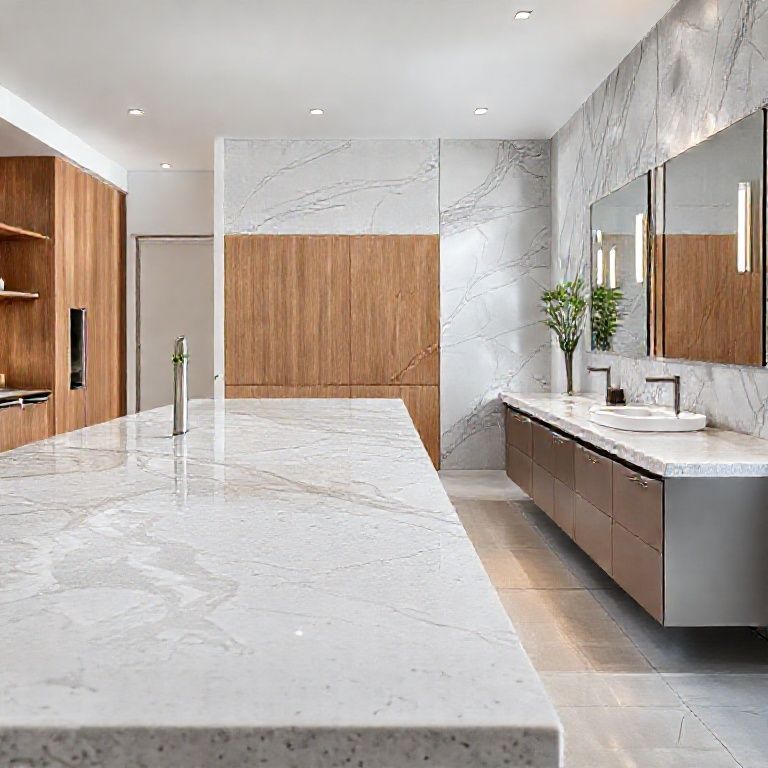
When we talk about 1.5cm quartz countertop prices, the starting point is usually the raw material. Quartz is an engineered stone, a composite made of roughly 90-94% crushed natural quartz and 6-10% resins and pigments. The price of the slab itself is influenced by the complexity of the design. A solid, monochromatic white or grey slab is generally the most affordable. These are the workhorses of the industry, often found in high-volume developments. You might find these starting at a very accessible price point per square foot. However, as soon as you move into the “veined” or “marbled” territory—those stunning slabs that mimic Calacatta or Carrara marble—the price climbs. Creating those intricate, non-repeating patterns requires advanced technology and higher-grade resins, reflecting directly in the quote you receive.
Brand name plays a massive role in the pricing ecosystem as well. Household names like Caesarstone, Silestone, or Cambria have spent decades refining their “recipes” and building global supply chains. When you buy a 1.5cm slab from a premium brand, you aren’t just paying for the stone; you’re paying for a rigorous quality control process, a comprehensive warranty, and the peace of mind that the slab won’t have “dead spots” or structural inconsistencies. That said, the rise of high-quality unbranded or “boutique” quartz manufacturers has introduced a lot of healthy competition. You can often find stunning 1.5cm quartz at a fraction of the big-brand price if you are willing to work with local fabricators who source directly from reputable international factories.
Another factor that catches many homeowners off guard is the “slab vs. square foot” pricing model. Many high-end suppliers will only sell you the full slab (typically around 50 to 65 square feet). If your kitchen only requires 35 square feet, you are still paying for the whole piece of stone. This is where 1.5cm quartz can be a financial advantage. Because it is lighter, shipping costs from the factory to the distributor are lower than they are for 3cm slabs. This weight reduction allows more slabs to be transported in a single container, a logistical efficiency that often trickles down to the consumer, making the base price of a 1.5cm slab generally 15% to 25% lower than its 3cm counterpart.
However, the “material cost” is only one-half of the story. The 1.5cm quartz countertop price is heavily dictated by the fabrication process. Cutting quartz requires diamond-tipped saws and a constant flow of water to keep the material cool. While 1.5cm is thinner and thus faster to cut, it is also more delicate during the fabrication phase. It requires a skilled hand to ensure that the edges don’t chip and that the cutouts for sinks and cooktops are reinforced correctly. This brings us to the concept of the “mitered edge,” which is a game-changer in the world of 1.5cm quartz.
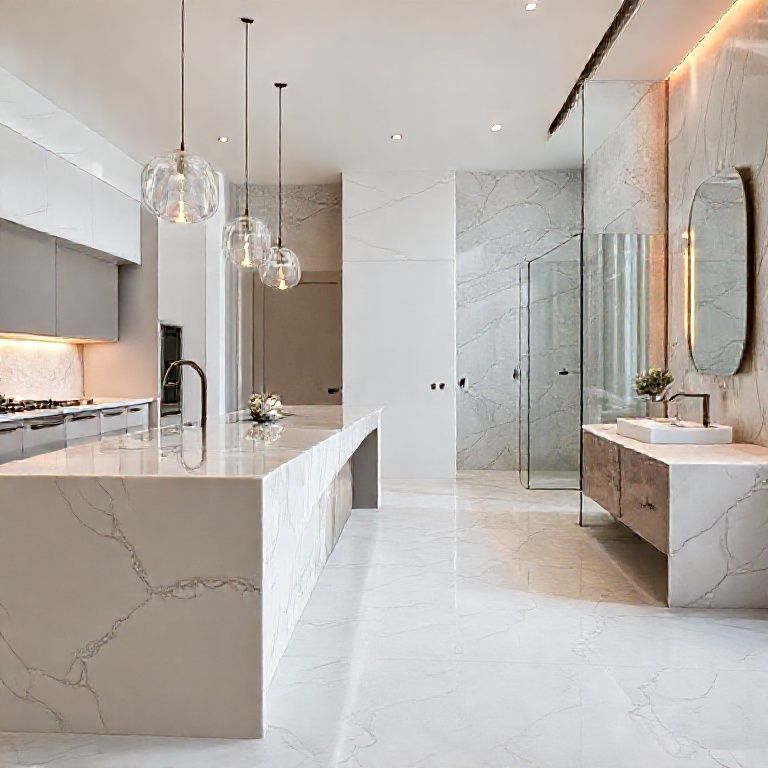
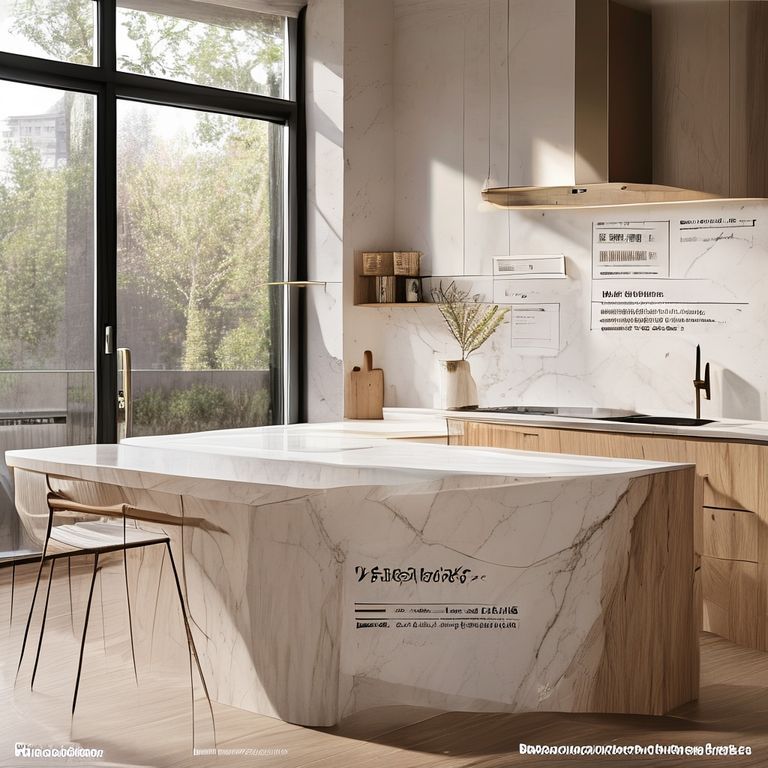
Many people choose 1.5cm quartz but actually want it to look like a 5cm or 10cm massive block of stone. This is achieved through a mitered apron—where the fabricator cuts the edges at a 45-degree angle and joins them to a vertical strip of quartz. This creates the illusion of a thick, heavy slab while maintaining the lighter weight and lower material cost of the 1.5cm base. This technique is highly labor-intensive. If you opt for a simple eased edge on a 1.5cm slab, your labor costs will be low. But if you want that chunky, luxury “waterfall” island look using 1.5cm material, expect your fabrication costs to rise significantly, even if the stone itself was a bargain.
Ultimately, the 1.5cm quartz countertop price is a reflection of your design choices. It is a versatile material that caters to the budget-conscious renovator who wants a clean look, as well as the high-end designer looking for a specific, sleek aesthetic that 3cm slabs simply cannot replicate. As we move into Part 2, we’ll dive deeper into the hidden costs of installation, maintenance, and how 1.5cm quartz stacks up against other thicknesses in terms of long-term value.
Continuing our journey into the economics of the “thin-profile” kitchen, we have to look past the showroom floor and into the actual installation phase. When you are looking at 1.5cm quartz countertop prices, the quote you receive often includes “Installation,” but the complexity of that installation can vary depending on your existing cabinetry.
One of the most critical aspects of using a 1.5cm slab is the sub-base. Unlike a 3cm slab, which is structurally rigid enough to sit directly on top of your cabinet frames, a 1.5cm slab usually requires a plywood underlayment for support. This plywood provides a flat, stable surface that prevents the quartz from cracking under the weight of heavy appliances or if someone happens to sit on the counter. While the plywood itself isn’t expensive, the labor to cut and install it accurately is an added cost. If your contractor or fabricator skips this step to give you a lower “1.5cm quartz countertop price,” you might be setting yourself up for structural failure down the road. High-quality work always accounts for this support layer.
Then there is the matter of the “Waterfall” edge, a trend that shows no sign of slowing down. A waterfall edge is where the countertop material continues over the side of the cabinets all the way to the floor. Using 1.5cm quartz for this is brilliant because the lighter weight puts less stress on your floor and cabinet ends. However, the precision required to line up the veins of the quartz as they “drop” over the edge is an art form. You are paying for a craftsman’s eye. When checking prices, always ask if the “vein matching” is included in the fabrication fee. For high-end 1.5cm quartz with dramatic patterns, this can add a premium to the total project cost, but the visual payoff is often the difference between a “nice” kitchen and a “magazine-ready” kitchen.
Let’s talk about the competition. How does the price of 1.5cm quartz compare to 2cm or 3cm? In many European markets, 1.2cm and 1.5cm are the standard, whereas in North America, 3cm has reigned supreme for decades. Because 3cm is the “standard” in the US and Canada, 1.5cm can sometimes be treated as a specialty item, which paradoxically keeps the price higher than it should be. However, in recent years, the influx of modern design has pushed distributors to stock more 1.5cm options. Generally speaking, you can expect to save about 20% on the material cost by choosing 1.5cm over 3cm. If you are doing a large kitchen with multiple surfaces, that 20% can represent thousands of dollars—money that could be diverted into higher-end appliances or custom lighting.
Durability is another factor that influences long-term value. Some homeowners worry that a 1.5cm countertop is “too thin” and might break easily. It is a valid concern, but quartz is one of the hardest minerals on earth. When engineered into a slab, it has a higher flexural strength than granite or marble. This means that a 1.5cm quartz slab is actually tougher and more resistant to impact than a 3cm slab of natural marble. Because it is non-porous, it won’t stain or harbor bacteria, making it an incredible value over time. You don’t have to spend money on annual sealants or specialized cleaners. When calculating the “price,” you should always consider the “cost of ownership” over ten years. In that light, quartz wins every time.
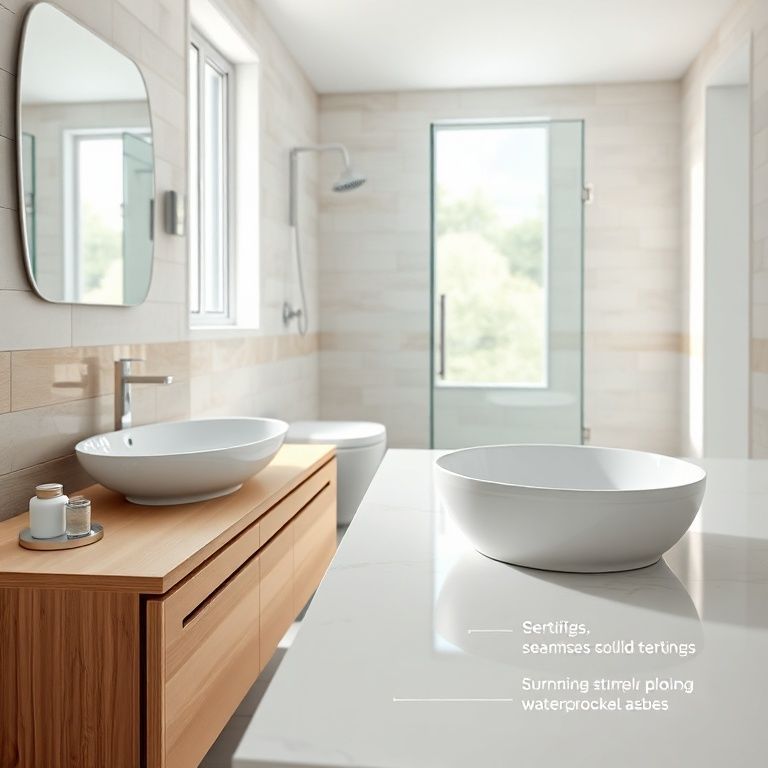
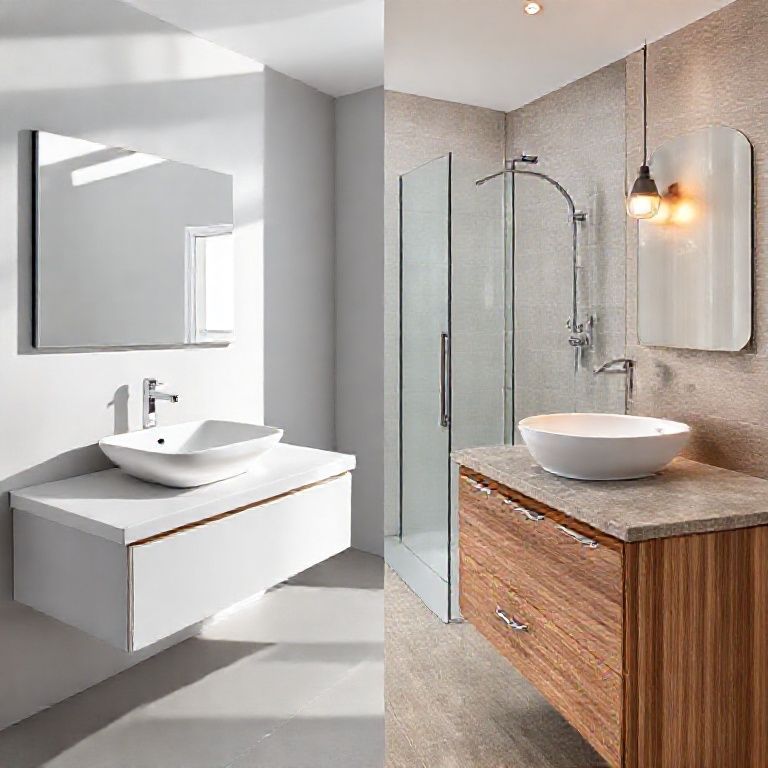
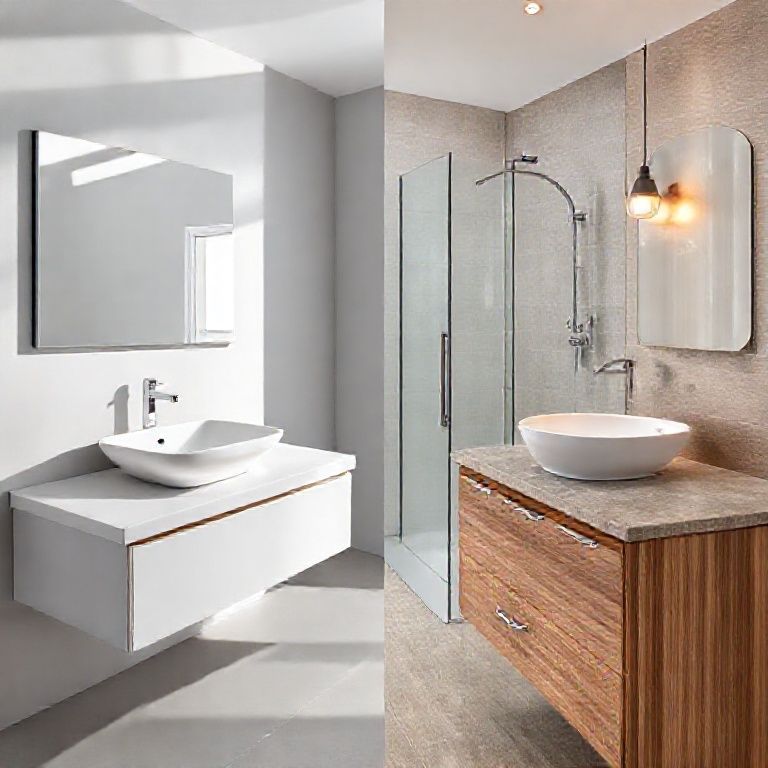
Where does the 1.5cm quartz countertop price sit for bathrooms? In the bathroom, this thickness is often the undisputed king. Vanities are smaller, and the delicate nature of a 1.5cm slab feels more appropriate for a space dedicated to self-care and relaxation. Because bathroom vanities often use “remnants” (the leftover pieces from large kitchen slabs), you can often get 1.5cm quartz at an incredible discount. Many fabricators have a “boneyard” of 1.5cm pieces that are perfect for a guest bath or a powder room. If you aren’t picky about a specific brand name, you can snag a luxury surface for the price of a standard laminate.
To get the best possible price, you need to be a savvy shopper. Don’t just ask “how much per square foot?” Ask what that price includes. Does it include the sink cutout? Does it include the backsplash? Does it include the removal of your old countertops? Sometimes a lower base price is balanced out by high “add-on” fees. Also, consider the “Waste Factor.” If your kitchen layout is particularly irregular, you might end up with a lot of wasted material from a standard slab. A clever fabricator can look at your layout and suggest a slab size that minimizes waste, effectively lowering your 1.5cm quartz countertop price without compromising on quality.
In the end, choosing 1.5cm quartz is a stylistic statement as much as it is a financial one. It represents a move toward efficiency, precision, and modern aesthetics. Whether you’re going for a paper-thin, ultra-modern look or using a mitered edge to fake a massive stone block, 1.5cm quartz offers a flexibility that thicker slabs simply can’t match. It’s the smart choice for the homeowner who knows that luxury isn’t about how much material you use, but how you use the material you have. By understanding the interplay between material cost, fabrication labor, and installation requirements, you can navigate the market with confidence and land a countertop that looks like a million bucks without actually costing it. So, as you embark on your renovation journey, keep the 1.5cm option at the top of your list—it’s the slim, chic, and cost-effective future of home design.