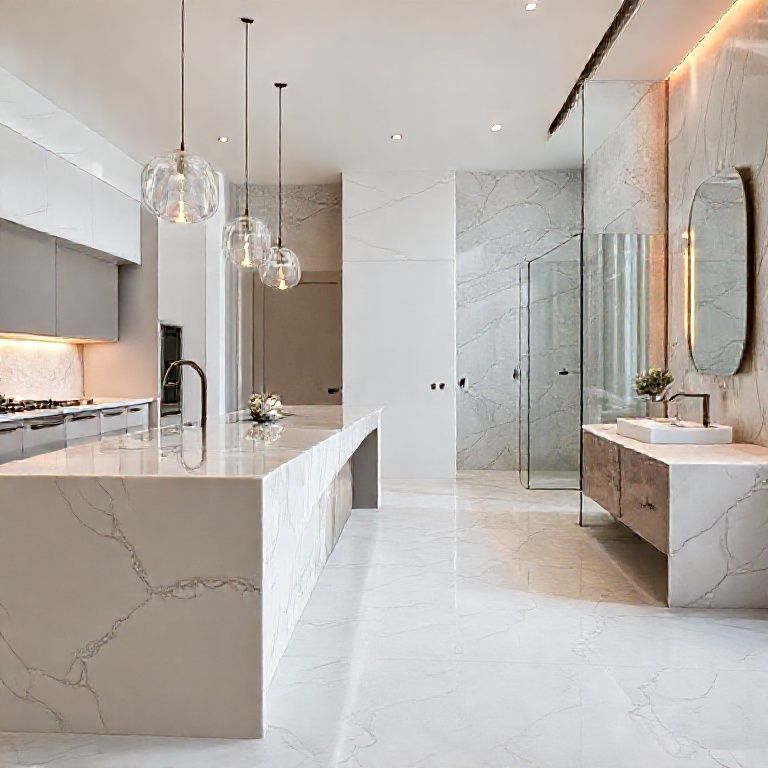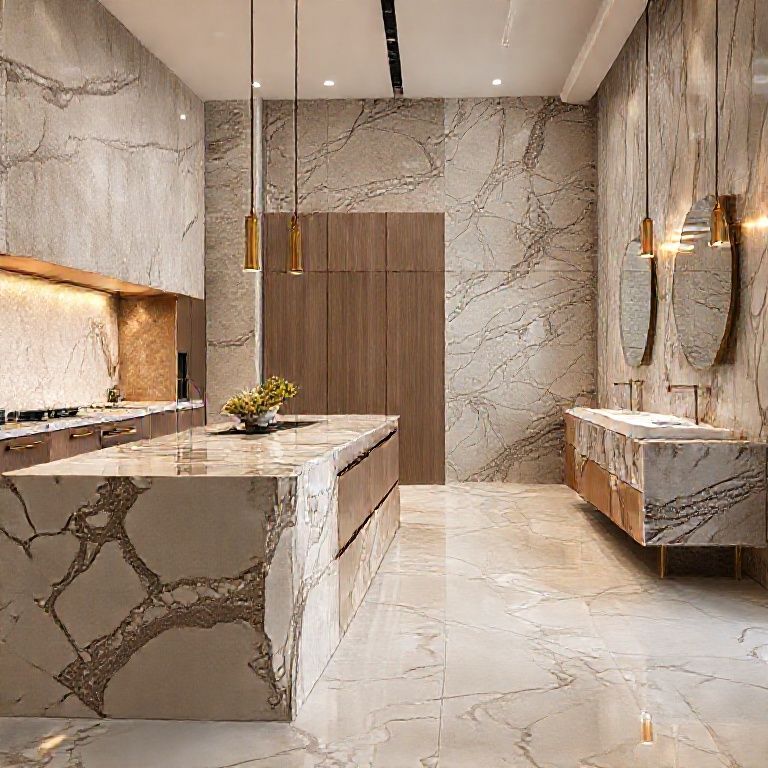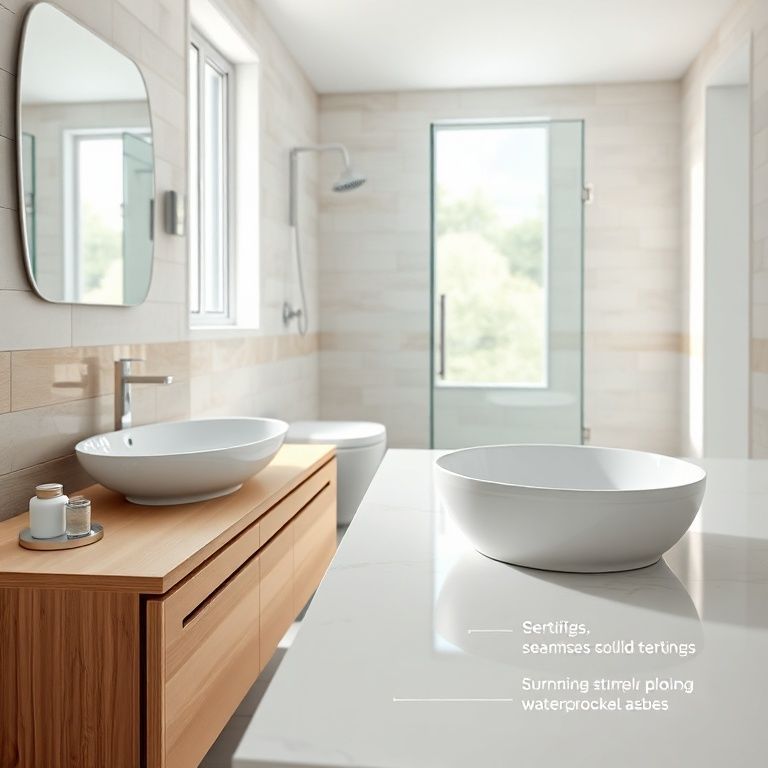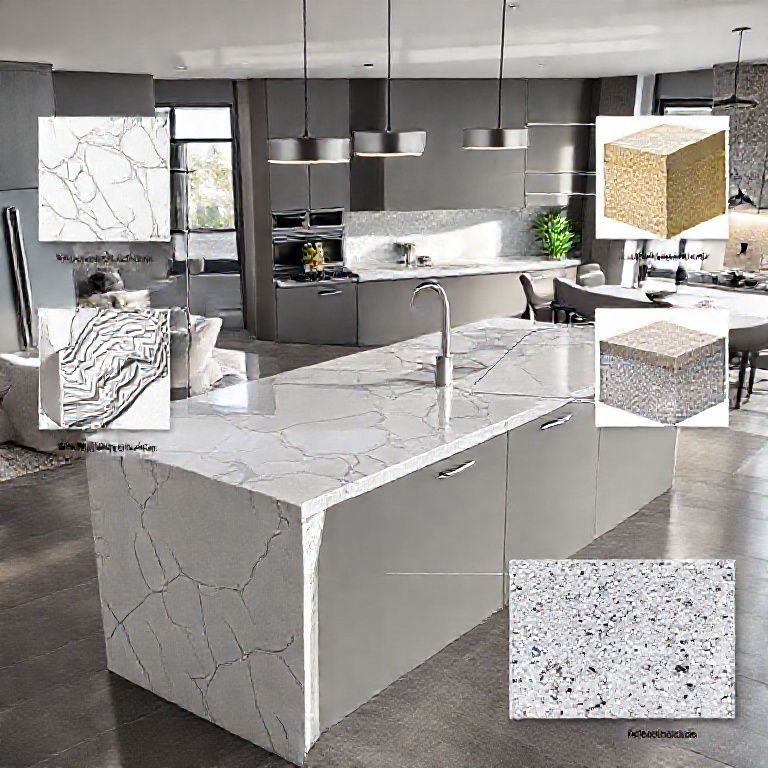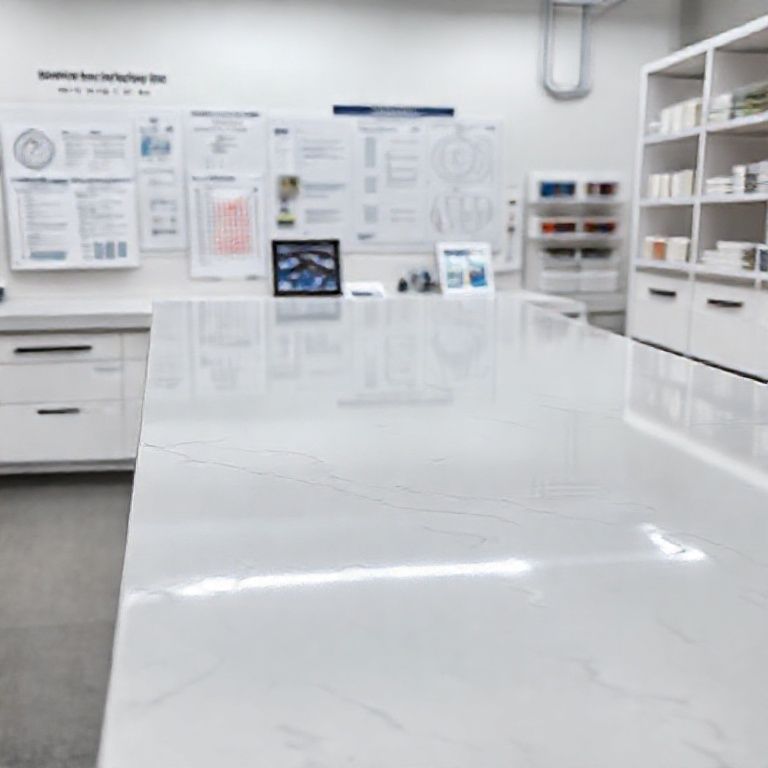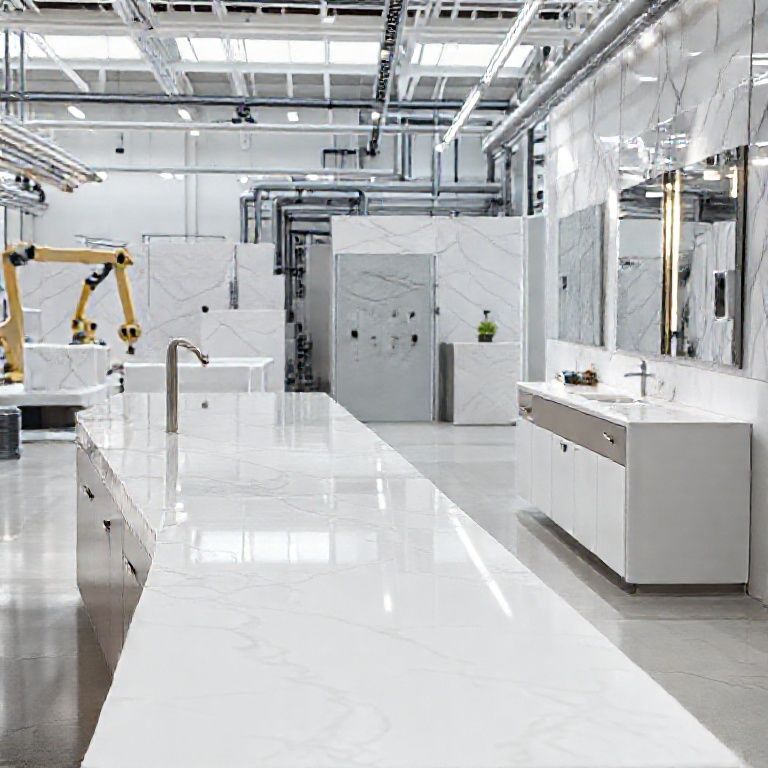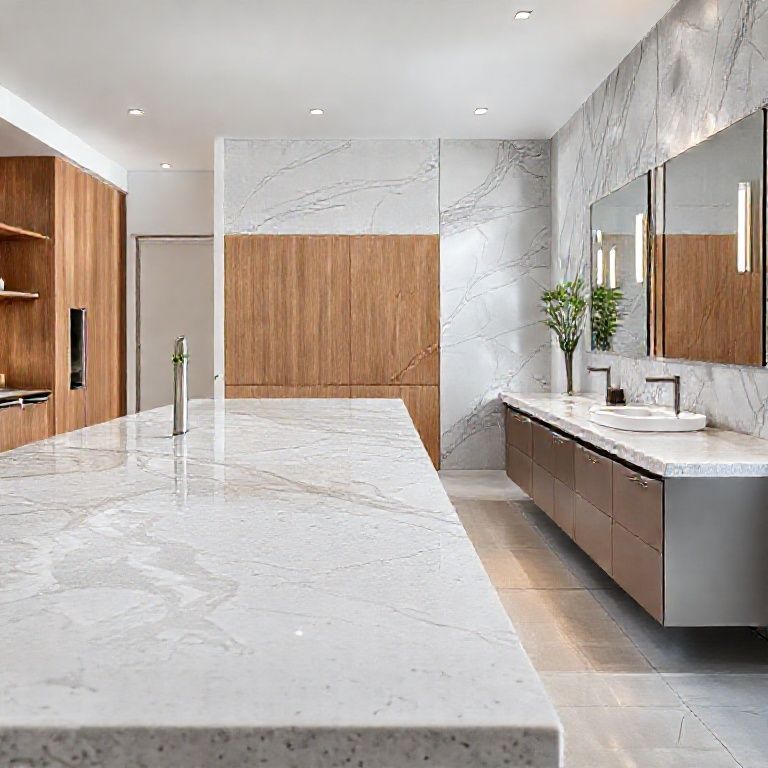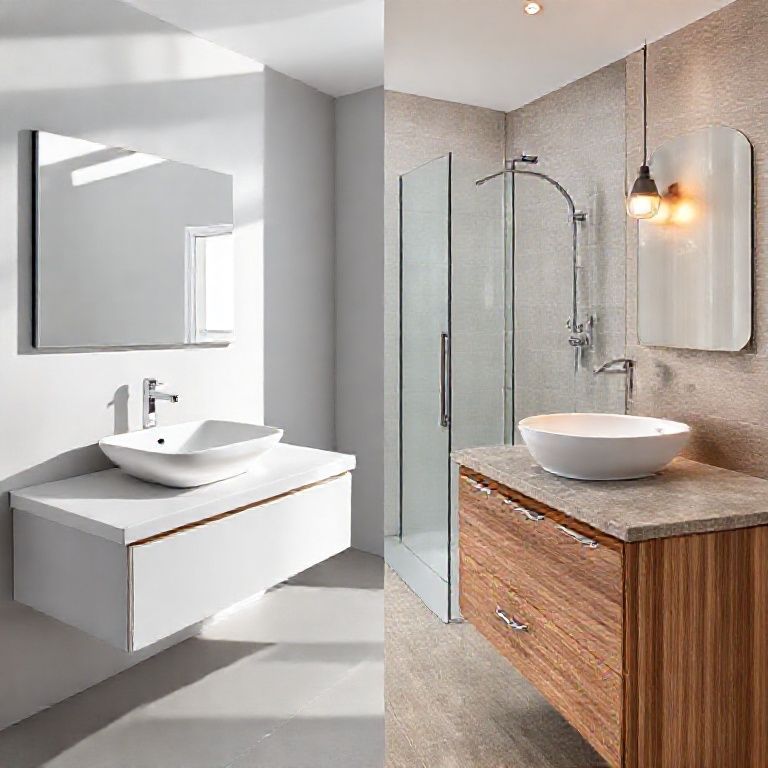
The kitchen has long been heralded as the heart of the home, but in the current era of interior design, it has also become the brain. It is the place where form meets function in a high-stakes dance of durability and style. If you have been scrolling through high-end architectural digests or Pinterest boards lately, you might have noticed a shift away from the chunky, heavy-set stone slabs of the early 2000s. In their place is something far more refined, sophisticated, and deceptively strong: the 1.5cm quartz countertop.
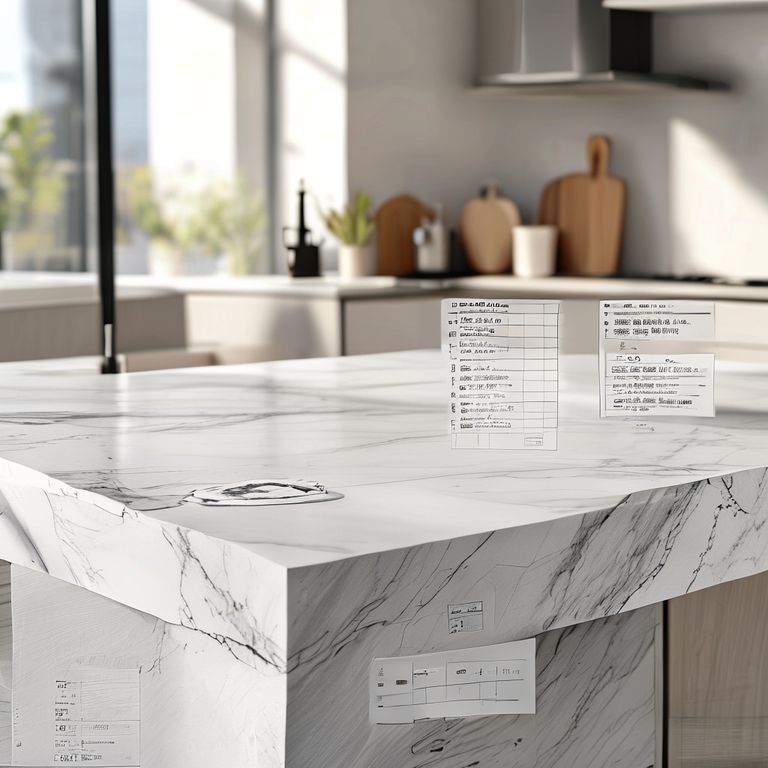
When we talk about 1.5cm quartz, we are talking about a profile that defies the traditional “bigger is better” mentality. At just about five-eighths of an inch, this thickness offers a sleek, European-inspired aesthetic that feels immediate and modern. But as anyone embarking on a renovation knows, beauty is only half the battle. The other half is the budget. Understanding the 1.5cm quartz countertop price requires peeling back the layers of manufacturing, shipping, and fabrication that define this specific niche of the stone market.
To understand the price, you first have to understand the material. Quartz is an engineered stone, typically composed of roughly 90% to 94% crushed natural quartz crystals bound together by polymer resins and pigments. The result is a non-porous, incredibly hard surface that resists stains, scratches, and heat better than almost any natural stone. When you opt for a 1.5cm thickness, you aren’t just buying “less stone”; you are often buying a specific engineering feat. While 2cm and 3cm slabs have been the industry standard for decades, the 1.5cm profile is a specialized choice that appeals to the minimalist eye.
The entry-level pricing for 1.5cm quartz usually starts in the range of $40 to $60 per square foot, including basic installation. However, this is just the baseline. For a standard kitchen, you might find that the total project cost fluctuates wildly based on the “tier” of the quartz you choose. In the world of engineered stone, quartz is categorized into levels. Level 1 or “Contractor Grade” typically features simple, consistent patterns—think solid whites, greys, or basic speckles. These are budget-friendly and offer the 1.5cm look without the premium price tag.
As you move into Level 2 and Level 3 quartz, the price begins to climb, often reaching $75 to $120 per square foot. These slabs are where the artistry happens. We are talking about intricate veining that mimics Calacatta marble or the deep, moody swirls of soapstone. Achieving these organic patterns in a thinner 1.5cm slab requires advanced printing and layering technologies. The thinner the slab, the less room there is for error in the pigment distribution, which is why premium 1.5cm slabs can sometimes cost nearly as much as their 2cm counterparts.
Why would someone choose a 1.5cm slab if it isn’t always significantly cheaper? The answer lies in the “Slimline” trend. In modern cabinetry design, particularly the handle-less, flat-panel styles popularized by Italian and German designers, a thick 3cm countertop can look clunky and dated. A 1.5cm edge profile provides a razor-sharp horizontal line that makes the kitchen feel lighter and more spacious. It allows the cabinetry to take center stage. From a pricing perspective, the 1.5cm slab also reduces the weight load on your cabinets. While modern cabinets are sturdy, the reduced weight of a 1.5cm slab can sometimes save money on structural reinforcements or specialized shipping costs, though these savings are often offset by the need for more careful handling during fabrication.
Fabrication is perhaps the most significant “hidden” variable in the 1.5cm quartz countertop price. Because the material is thinner, it is more susceptible to snapping during the cutting and transportation process compared to a beefy 3cm slab. A fabricator has to be more precise, using specialized blades and supports. If you want a complex edge profile—though most people choosing 1.5cm go for a simple eased or mitered edge—the labor costs can spike. You are paying for the artisan’s skill in managing a delicate yet dense material.
Geography also plays a massive role in what you will pay. If you are in a major metropolitan hub with plenty of stone yards and competition, prices stay competitive. If you are in a remote area, the cost of transporting a 1.5cm slab—which requires vertical A-frame bracing to prevent cracking—can add hundreds of dollars to your quote. Furthermore, the brand name matters. Established giants like Caesarstone, Silestone, or Cambria often command a 20% to 30% premium over “unbranded” or generic imports. This premium isn’t just for the name; it’s for the peace of mind that comes with a 25-year warranty and rigorous quality control that ensures the slab won’t yellow or crack under normal use.
When evaluating a quote for a 1.5cm quartz countertop, always look for the “all-in” price. This should include the template (where they come to measure your actual cabinets with lasers), the slab itself, the cutouts for your sink and cooktop, the edge polishing, and the final installation. Some contractors might hook you with a low “per square foot” price only to add “upcharges” for every single hole they have to drill. For a 1.5cm installation, the sink cutout is particularly crucial. Because the stone is thinner, most designers recommend an undermount sink with a very precise polished edge, or even an integrated quartz sink for a seamless look. These choices, while stunning, will move your price point toward the higher end of the spectrum.
Continuing our deep dive into the 1.5cm quartz market, it is essential to look at the long-term value and the nuances that separate a “cheap” job from a “high-end” installation. While the initial 1.5cm quartz countertop price might seem like a straightforward calculation of area times rate, the reality of interior renovation is that you are investing in a fixed asset. The 1.5cm profile is currently seeing a surge in popularity because it fits the “Quiet Luxury” aesthetic—a design philosophy centered on high-quality materials that don’t need to scream for attention.
One of the most interesting aspects of the 1.5cm price dynamic is how it compares to the more traditional 3cm slabs. In many North American markets, 3cm is the “standard,” which means 1.5cm slabs are sometimes treated as a specialty item. In Europe, however, the reverse is often true. If you are sourcing your quartz from a supplier that focuses on contemporary European styles, you might find that 1.5cm is their primary offering, which can lead to better pricing due to higher volume. Conversely, if you go to a traditional stone yard that stocks 90% 3cm granite, they might charge you a “special order” fee to bring in a 1.5cm quartz slab, effectively neutralizing any savings you hoped to gain from using less material.
Let’s talk about the “mitered edge” trick, which is a significant factor in the pricing of these countertops. Many homeowners love the look of a massive, 6cm or 10cm thick “waterfall” island. Paradoxically, these are often built using 1.5cm slabs. The fabricator cuts the edges at a 45-degree angle and joins them to create the illusion of a solid, thick block. This technique is actually easier and more cost-effective with 1.5cm material because the slabs are easier to maneuver and the seams are easier to hide. If you are looking for that “ultra-thick” look on a budget, starting with a 1.5cm slab and paying for expert mitering is often cheaper than buying a solid 3cm or 4cm slab, which is incredibly heavy and expensive to ship.
Durability is another area where the 1.5cm thickness proves its worth, influencing the “price-per-year” value of the investment. Some might worry that a thinner slab is more prone to cracking. However, because quartz is bound with high-quality resins, it possesses a degree of flexural strength that natural stone like marble or granite lacks. As long as your cabinets are level and the stone is properly supported, a 1.5cm quartz countertop is virtually indestructible in a domestic setting. You aren’t sacrificing longevity for style; you are simply opting for a different distribution of mass. This means the money you spend today won’t be followed by repair costs five years down the line.
The color and finish choice also dictates the final invoice. Polished finishes are the standard and generally the most affordable. However, the “honed” (matte) or “leathered” (textured) finishes that are so popular with the 1.5cm profile can add $10 to $15 per square foot. These finishes require extra processing at the factory. While they look incredible and feel silky to the touch, they also require a bit more daily maintenance to keep finger oils from showing, which is a practical “cost” to consider.
When you are ready to buy, the best way to manage the 1.5cm quartz countertop price is to request a “remnant” search if your project is small. For bathroom vanities or small laundry rooms, you can often find 1.5cm remnants at a stone yard for a fraction of the cost of a full slab. Since many large-scale commercial projects use 1.5cm quartz for wall cladding or flooring, fabricators often have high-quality leftovers that they are willing to part with just to clear up space in their warehouse. This is the ultimate “insider” tip for getting a luxury surface at a DIY price point.
Furthermore, consider the backsplash. A burgeoning trend in high-end design is the “full-height backsplash,” where the 1.5cm quartz continues from the countertop all the way up to the bottom of the upper cabinets or even to the ceiling. Using 1.5cm for this is far more practical than using 3cm stone, as it doesn’t take up as much depth on the wall and is easier to install around electrical outlets. While this increases the square footage you need to purchase, it eliminates the need for expensive tiling and grout labor, often resulting in a wash in terms of total project cost while significantly elevating the room’s visual impact.
To ensure you are getting a fair price, always ask for the brand of the resin used in the quartz. High-quality slabs use Bretonstone technology or similar reputable processes that ensure the ratio of stone to resin is optimal. Cheaper, “no-name” 1.5cm slabs might have a higher resin content, which makes them easier to produce but more susceptible to scorching if you place a hot pan on them. Paying an extra 10% upfront for a reputable brand is essentially an insurance policy for your kitchen.
In conclusion, the 1.5cm quartz countertop is more than just a surface; it is a design statement that speaks to a refined, uncluttered lifestyle. The price is influenced by a cocktail of material grade, fabrication complexity, and market availability. While it might not always be the “budget” option just because it’s thinner, its ability to transform a space into a modern sanctuary is unparalleled. By focusing on the “all-in” quote, exploring remnants for smaller projects, and prioritizing high-quality engineering over the lowest sticker price, you can secure a countertop that is as resilient as it is beautiful. Whether you are going for a razor-thin minimalist look or using it as the foundation for a stunning mitered waterfall island, 1.5cm quartz offers a versatility that justifies every penny of its price. The modern kitchen is slimming down, and there has never been a better time to embrace the elegance of the 1.5cm profile.