When you step into a high-end kitchen showroom, the lighting is perfect, the espresso machine is humming, and you find yourself running your hand across a cool, pristine quartz surface. You ask the consultant about the specs, and they nonchalantly mention, “This is a 1.5-thick slab.” In the world of interior design, 1.5cm (or 15mm) is often hailed as the “sweet spot”—the Audrey Hepburn of stone thicknesses—sleek, sophisticated, and deceptively strong. But if you were to take a pair of precision digital calipers to that slab, what would you actually find? Is 1.5 always 1.5, or is there a hidden geometry at play?
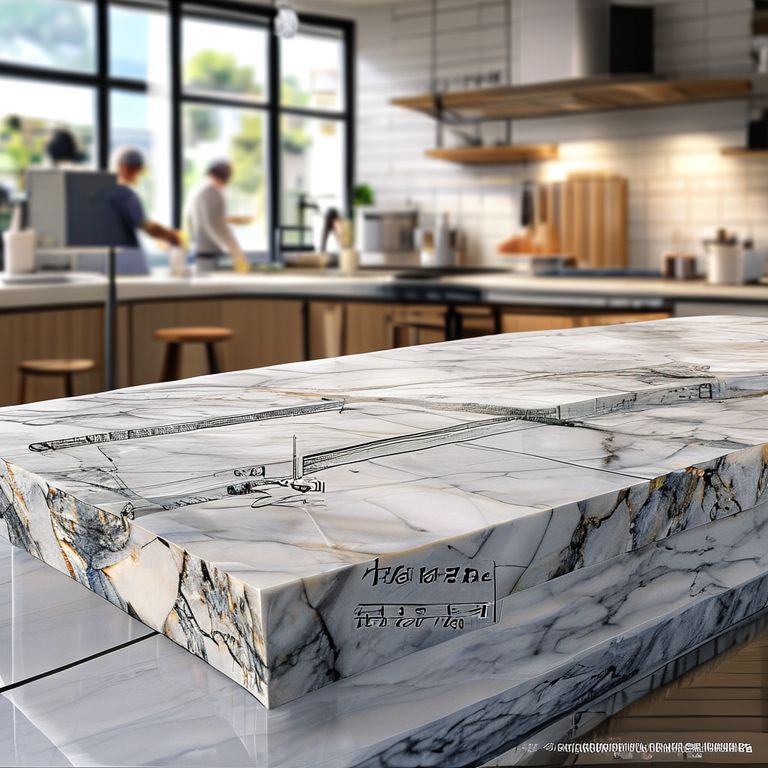
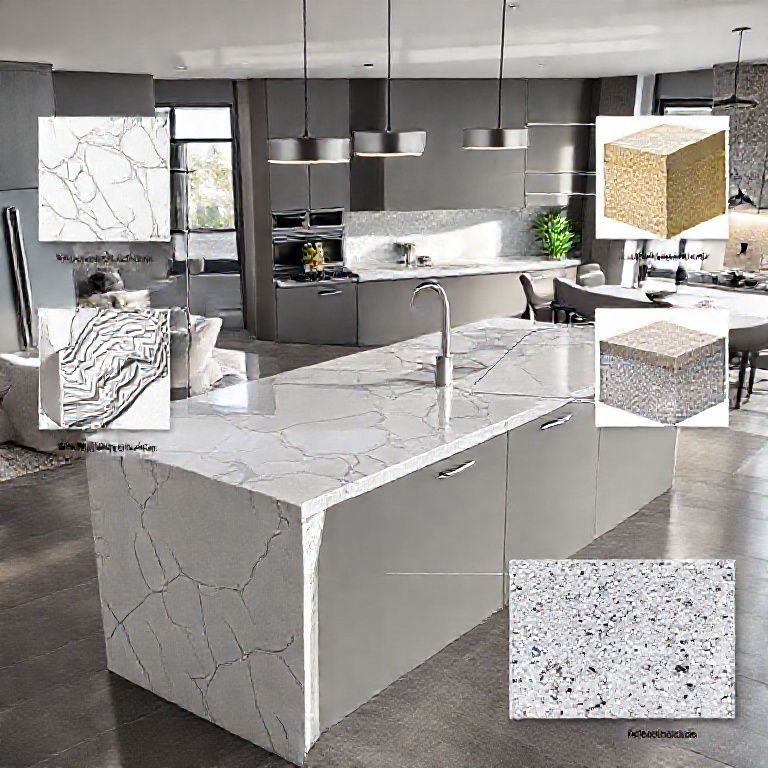
To understand the actual thickness of 1.5cm quartz, we have to pull back the curtain on the manufacturing process. Unlike natural granite or marble, which are sliced from the earth like a giant loaf of bread, quartz is an engineered marvel. It’s a cocktail of roughly 90-93% crushed natural quartz aggregates bound together by polyester resins and pigments. This mixture is poured into a mold, vibrated under a vacuum, and compressed with immense pressure.
In theory, the mold is set to 15 millimeters. However, the journey from a raw slurry to a polished kitchen island is a turbulent one. During the curing process, the resin undergoes a chemical reaction that generates heat, causing the material to expand and contract. Once the slab is “baked” and cooled, it isn’t perfectly flat. It’s slightly rugged, like a frozen lake that hasn’t quite settled. To achieve that mirror-like finish you crave, the slab must go through a calibration and polishing line. This is where the “actual” thickness begins to deviate from the “nominal” thickness.
In the stone industry, the “nominal” thickness is the name on the price tag—1.5cm. But the “actual” thickness is subject to what we call “manufacturing tolerance.” For a standard 1.5cm slab, the industry-acceptable actual thickness typically fluctuates between 14.2mm and 15.8mm. Why the discrepancy? Because the calibration heads on the production line are designed to shave off just enough material to remove surface imperfections and ensure the slab is level. If a particular batch of raw slabs came out of the press slightly thinner, the final polished product would naturally lean toward the 14mm mark. Conversely, a “beefier” batch might stay closer to 16mm.
For the average homeowner, a difference of 0.5mm or 1mm might seem like splitting hairs. But in the world of custom cabinetry and high-stakes fabrication, these millimeters are the difference between a seamless finish and a structural headache. If you are planning a modern, “thin-profile” kitchen where the quartz sits flush with the cabinet doors, knowing the actual thickness is your primary defense against a botched installation.
There’s also the geographical factor to consider. In the global market, Chinese-manufactured quartz (which dominates a large portion of the supply chain) often adheres strictly to the metric system. When they say 1.5, they mean 15mm, plus or minus a small margin. However, in the North American market, many fabricators still think in inches. A 1.5cm slab is frequently treated as the equivalent of 5/8 of an inch. But 5/8″ is actually 15.875mm. This subtle rounding up can lead to confusion when a designer specifies a 1.5cm slab and the fabricator prepares the cabinets for something nearly 16mm thick.
Choosing a 1.5cm slab is often a stylistic choice. It speaks to a European aesthetic—minimalist, sharp, and lightweight. It’s the antithesis of the bulky, 3cm (approx. 1.25 inch) slabs that have dominated suburban kitchens for decades. But beauty comes with a requirement for precision. Because 1.5cm is on the thinner side of the spectrum, its “actual” thickness becomes even more critical when we talk about overhangs and spans. A slab that arrives at 14.5mm instead of 15.5mm has slightly less structural integrity. It requires a more robust substrate—usually a high-quality plywood sub-top—to ensure that a heavy leaning guest or a runaway cast-iron skillet doesn’t cause a hairline fracture.
When you’re navigating the selection process, don’t be afraid to ask the supplier for the “true measurement.” Most reputable distributors have “batch sheets” that record the exact calibration of the slabs currently in the warehouse. If you’re a perfectionist, you might even ask to see the slab with a tape measure in hand. You aren’t being difficult; you’re being a connoisseur. You’re acknowledging that in the world of high-end materials, the label is just the beginning of the story. The actual thickness is where the craftsmanship truly lives.
As we move into the practical application of these slabs, the “actual” thickness dictates more than just the look. It influences the weight calculations for your floor joists, the height of your backsplash tiles, and even the type of sink you can install. A 1.5cm slab is nimble, but it demands respect. In the second half of our exploration, we’ll look at how this thickness performs in the real world, the “optical illusions” fabricators use to make 1.5cm look like 4cm, and why the “actual” measurement is the secret ingredient to a kitchen that doesn’t just look good, but lasts a lifetime.
Once you’ve reconciled with the fact that “1.5” is more of a suggestion than a rigid law of physics, the real fun begins. Now that we know the actual thickness of a 1.5cm quartz slab usually hovers in that 14.2mm to 15.8mm range, we have to talk about how this reality transforms from a technical spec into a functional kitchen. This is where the artistry of the fabricator meets the science of the stone.
The most common question people ask once they realize the slab is relatively thin is: “Will it break?” It’s a fair concern. We’ve been conditioned to think that thickness equals strength. But quartz is an engineering marvel. A 1.5cm quartz slab is actually more flexible and less prone to cracking than a 3cm piece of natural granite, thanks to the resin binders. However, because the actual thickness might be closer to 14mm, the way it is supported is non-negotiable.
In a professional installation, a 1.5cm slab is rarely left to fend for itself. It usually sits on a “sub-top” of 18mm or 15mm plywood. This plywood isn’t just a spacer; it’s the skeleton of your countertop. When the actual thickness of the quartz is precisely known, the fabricator can choose the right thickness of plywood to ensure the final counter height reaches the standard 36 inches (or whatever your custom preference may be). If your quartz slab is on the thinner side of the tolerance—say, 14.5mm—and your plywood is standard, you might find your counters sitting a fraction lower than expected, which can affect how your slide-in range or dishwasher fits into the cavity. This is why the “actual” measurement is the first thing a master fabricator checks before they even turn on their water-jet saw.
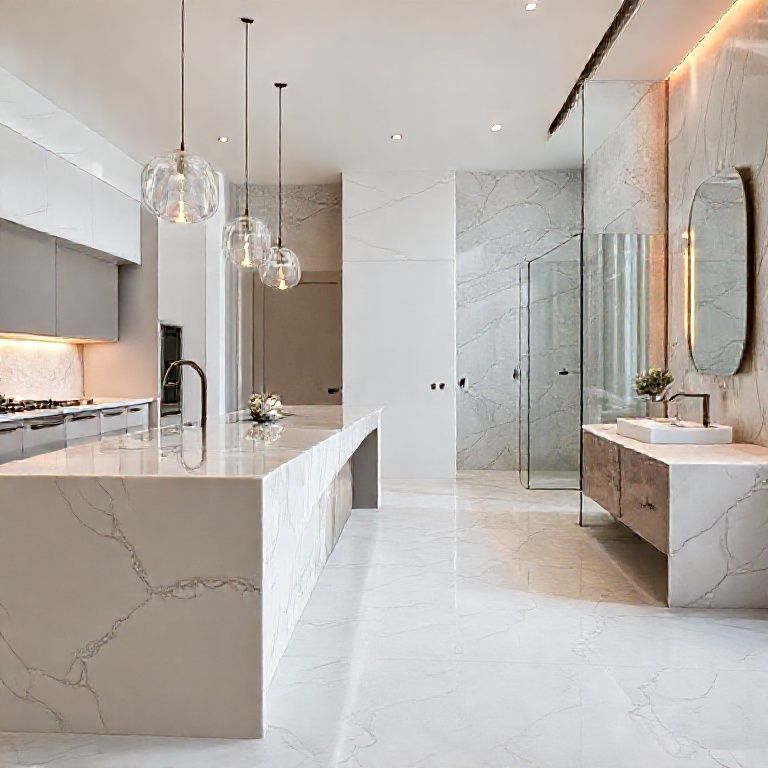
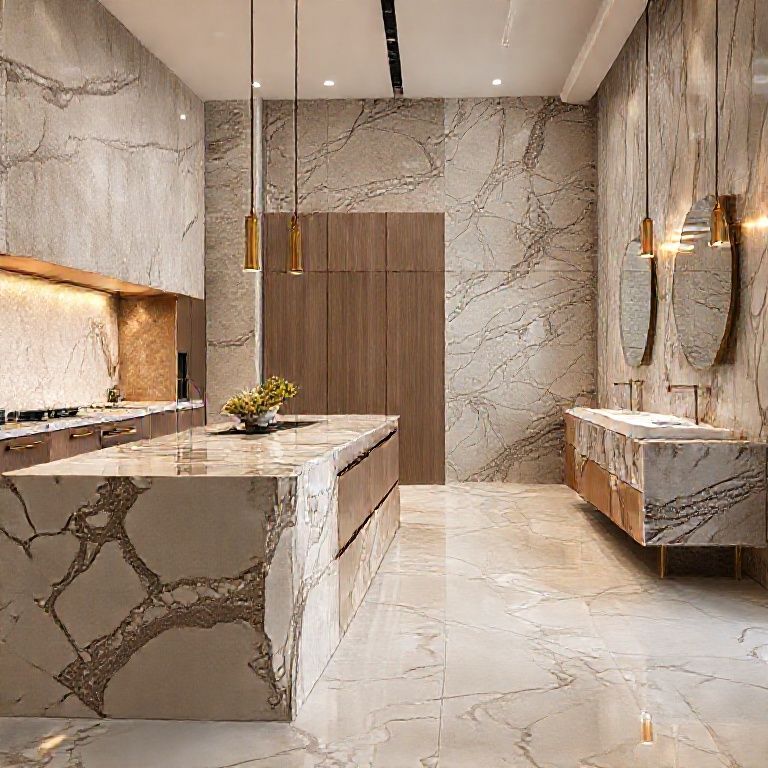
Then there is the magic of the “mitered edge.” This is the ultimate industry sleight of hand. If you love the look of a massive, 4cm or 6cm thick luxury countertop but don’t want the weight or the cost of a solid block of stone, you use a 1.5cm slab. The fabricator cuts the edge of the 1.5cm slab at a 45-degree angle and joins it to another strip of quartz cut at the same angle. The result? A hollow “apron” that makes the countertop look like a gargantuan, solid piece of stone.
In this scenario, the actual thickness of the 1.5cm slab is vital for the “seam” quality. If the slab thickness varies across its length (which can happen in lower-quality brands), the mitered edge won’t line up perfectly. You’ll end up with a “lip” or a visible glue line. High-end brands pride themselves on “calibration consistency,” ensuring that if they promise 15mm, the entire slab is within a hair’s breadth of that number. This allows for those razor-thin, nearly invisible joins that define luxury interiors.
Let’s talk about the “European Look.” In cities like Milan, Berlin, and Paris, the 1.5cm actual thickness is often celebrated rather than hidden. They don’t use mitered edges to fake a thicker look; they embrace the slim profile. It’s paired with handle-less cabinetry and integrated appliances for a look that feels incredibly “tech” and modern. If you are going for this aesthetic, the actual thickness matters for your “shadow lines.” If the slab is uneven, the shadow line between the stone and the cabinet will wobble, ruining the minimalist perfection. When the stone is thin, every millimeter of deviation is magnified by the eye.
There’s also an environmental and economic angle to the 1.5cm actual thickness. Because these slabs are thinner, they are lighter. Lighter slabs mean lower shipping costs and a smaller carbon footprint during transport. It also means the installation team is less likely to need a crane to get your island into a penthouse apartment. However, some budget-conscious manufacturers try to shave the thickness down to 13mm or 14mm while still labeling it as 1.5cm. This is where you need to be cautious. A slab that is too thin—under the 14mm mark—begins to lose the “body” required to hold onto an undermount sink. A heavy, water-filled sink hanging from a 13mm slab is a recipe for a midnight disaster.
So, how do you navigate this as a buyer? First, stop thinking in whole numbers. When you’re at the stone yard, ask for the “calibrated thickness.” Use the term—it makes you sound like an insider. Second, understand that “1.5” is a category, not a measurement. It’s like buying a “2×4” piece of lumber, which we all know is actually 1.5 x 3.5 inches. In the stone world, 1.5cm is the category, but 15mm is the goal, and 14.5mm is the frequent reality.
In the end, the actual thickness of your 1.5 quartz is a testament to the balance between nature and machine. It’s a material that has been crushed, pressed, and polished to satisfy our desire for beauty and durability. Whether you’re using it to create a sleek, modern masterpiece or a classic, mitered-edge powerhouse, that extra millimeter (or lack thereof) is the secret detail that ensures your kitchen isn’t just a place to cook, but a feat of engineering.
Next time you’re admiring a quartz surface, don’t just look at the color or the veining. Look at the edge. Think about the calibration heads that smoothed it to its final state. Respect the 1.5cm—it’s doing a lot more work than its slender profile suggests. Whether it’s actually 14.8mm or 15.2mm, it is the foundation of your home’s most important room. And in the world of great design, it’s the little things—the millimeters—that make the biggest difference.