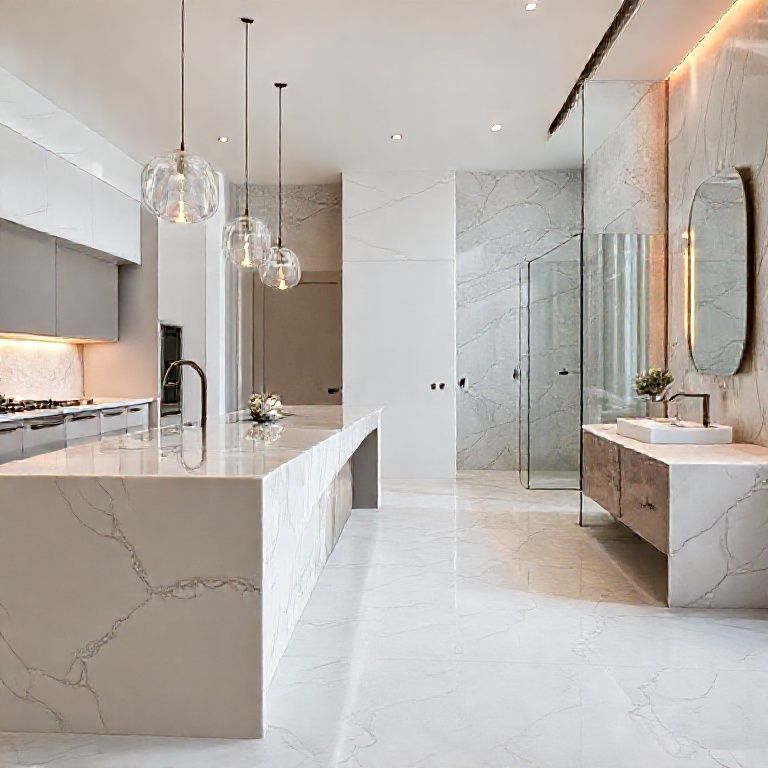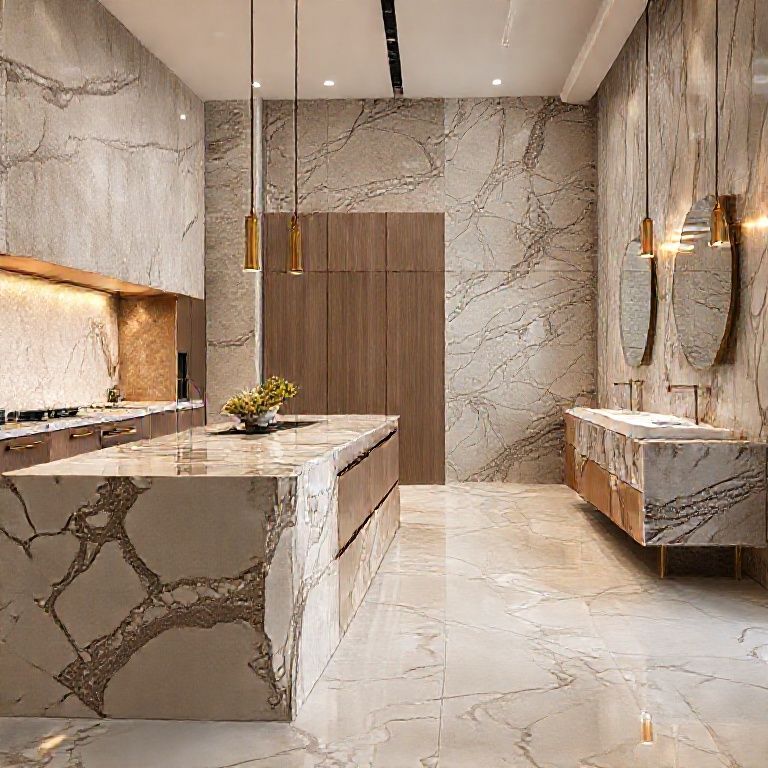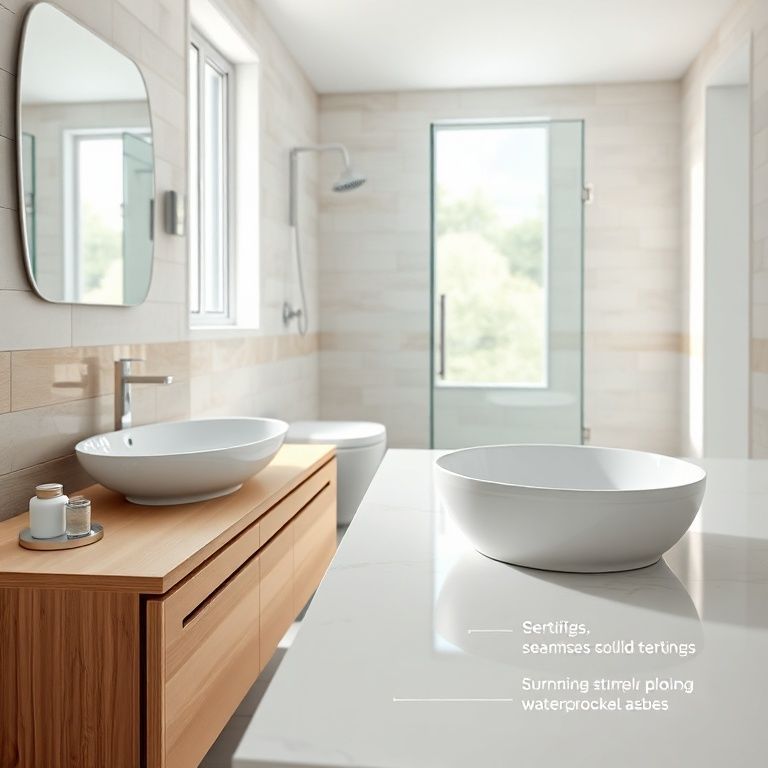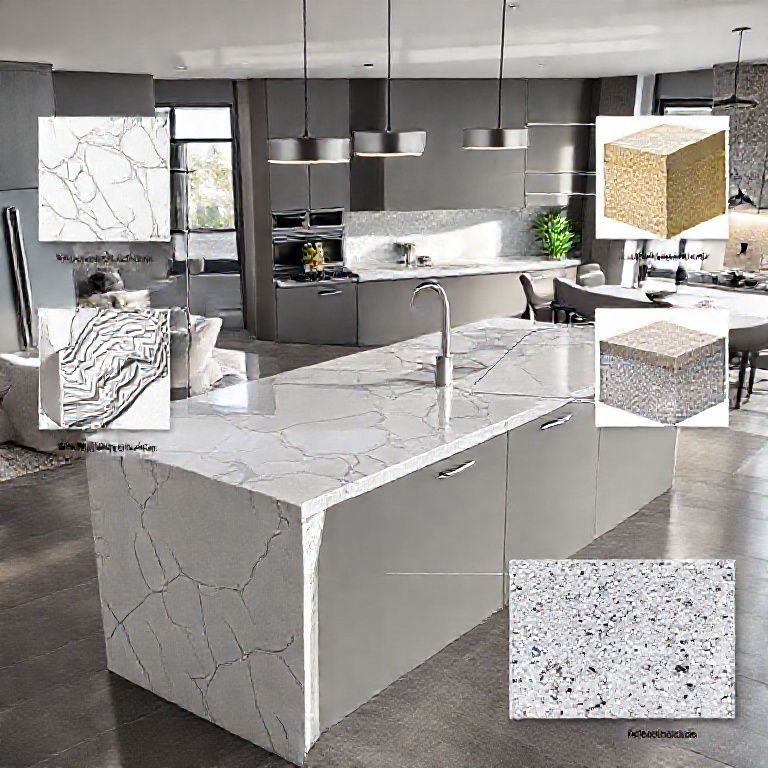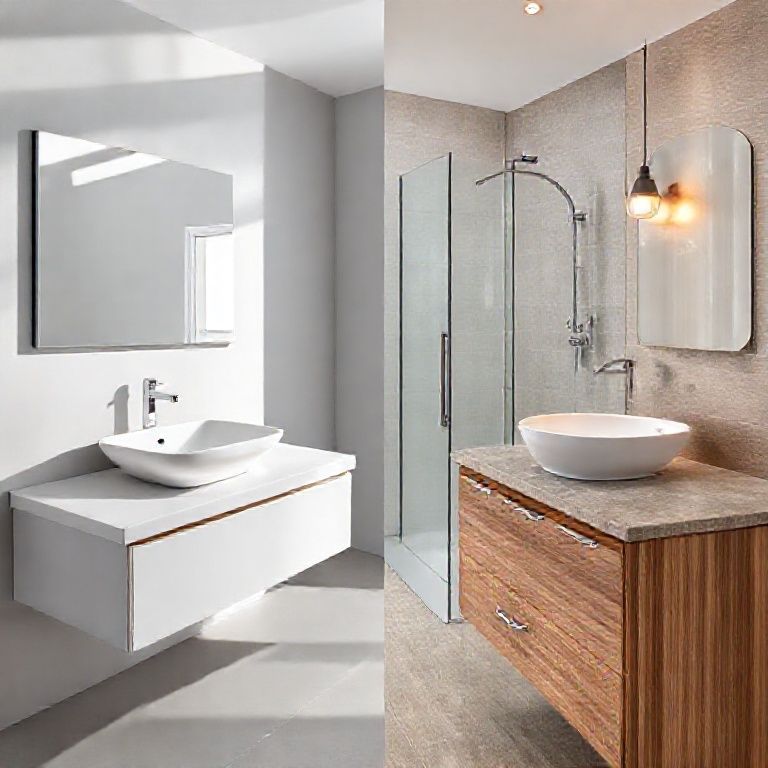
The allure of artificial stone in modern interior design is undeniable. It’s the silent workhorse of kitchens and bathrooms, offering a blend of durability, aesthetic versatility, and a more accessible price point compared to its natural counterparts. But when we talk about “artificial stone,” we’re not talking about a single entity. This broad category encompasses a range of materials, each with its own unique manufacturing process, ingredient list, and ultimately, its own wholesale price structure. Understanding this nuance is the first step in appreciating the factors that influence what you’ll pay for that gorgeous slab of engineered quartz or that seamless solid surface vanity.

Let’s begin by dissecting the major players in the artificial stone arena. The two most prominent categories that often come to mind are engineered quartz and solid surface. While both are man-made and offer compelling benefits, their composition and production methods lead to significant differences in their wholesale pricing.
Engineered quartz, for instance, is a marvel of material science. It’s typically composed of around 90-95% ground natural quartz crystals, mixed with polymer resins and pigments. This high concentration of natural quartz is a key driver of its cost. The process involves crushing raw quartz, a relatively abundant but still mined mineral, into fine particles. These particles are then combined with a binding agent, usually a polyester resin, and subjected to intense heat and vibration under vacuum. This vibrocompression process is energy-intensive and requires specialized, high-tech equipment. The quality and purity of the quartz aggregate, the type and quantity of resin used, and the sophistication of the manufacturing equipment all contribute to the final wholesale price. Higher concentrations of pure quartz, for example, will generally command a higher price than those with a larger proportion of resin. Similarly, advancements in resin technology that enhance durability, stain resistance, or UV stability can also push wholesale prices upward, as these represent added value and performance.
On the other hand, solid surface materials, often recognized by brands like Corian, are primarily composed of acrylic polymers and alumina trihydrate (ATH), a mineral derived from bauxite ore. The manufacturing process for solid surface involves mixing these components into a liquid slurry, which is then poured into molds to create sheets or shapes. While this process can also be quite sophisticated, the raw materials themselves, particularly the acrylic polymers, can sometimes be more cost-effective to produce in large volumes compared to the meticulous processing of natural quartz. The ATH, while adding fire-retardant and bulk properties, is also generally a more readily available and less resource-intensive material to source than high-purity quartz. The design flexibility of solid surface, allowing for seamless integration, thermoforming, and a wide range of colors and patterns, is a significant selling point, but the core material costs can be lower than those of engineered quartz.
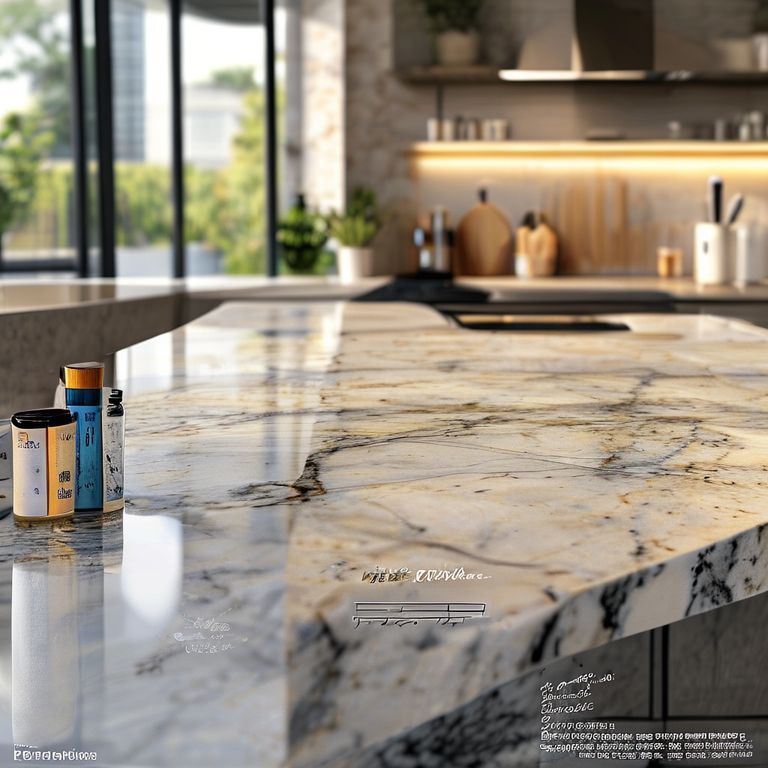
Beyond the fundamental composition, a multitude of factors influence the wholesale price of any artificial stone. Let’s delve into these.
Raw Material Sourcing and Costs: This is perhaps the most foundational element. The price and availability of the primary ingredients – natural quartz, resins, pigments, and fillers like ATH – are subject to global commodity markets. Fluctuations in the mining of quartz, the production of petrochemical-based resins, or the availability of bauxite can directly impact the cost for manufacturers. Think of it like a baker whose ingredient costs rise; eventually, that cost gets passed on. The consistency and quality of these raw materials are paramount. Manufacturers often invest in rigorous quality control to ensure their end product meets stringent standards, and this investment is factored into the price.
Manufacturing Processes and Technology: As touched upon earlier, the technology employed in production is a major differentiator. Highly automated, state-of-the-art facilities that can produce large volumes of consistent, high-quality material with minimal waste will often have different cost structures than smaller, less technologically advanced operations. The energy consumption of the machinery, the efficiency of the production lines, and the labor costs associated with operating these complex systems all play a role. Innovations in manufacturing, such as advanced polishing techniques or unique pattern embedding, can also add to the wholesale price, as they represent proprietary processes and added value.
Brand and Reputation: In the realm of artificial stone, just as with many other consumer goods, brand name carries weight. Established manufacturers with a proven track record of quality, durability, and customer service can often command a premium wholesale price. This premium is not just for the material itself but for the perceived reliability, the warranty offered, and the brand’s overall market presence. A lesser-known brand might offer a similar product at a lower wholesale price, but buyers might weigh the potential risks against the cost savings.
Design Complexity and Aesthetics: The visual appeal of artificial stone is a significant factor in its perceived value. The complexity of the patterns, the depth and richness of the colors, and the availability of unique finishes (like matte or textured surfaces) can influence wholesale pricing. A marble-like veining pattern, for example, that requires precise pigment blending and careful pattern replication during manufacturing, will likely be more expensive than a solid color or a simple speckled design. Limited-edition colors or special collections can also carry a higher price tag due to their exclusivity and the R&D investment involved in their creation.
Supply Chain and Logistics: The journey of artificial stone from the factory floor to the distributor’s warehouse, and ultimately to the fabricator, involves a complex supply chain. Transportation costs, warehousing fees, and the efficiency of logistics management all contribute to the wholesale price. Manufacturers located closer to raw material sources or with more optimized distribution networks may have a cost advantage. Global supply chain disruptions, as we’ve seen in recent years, can also have a significant impact, leading to increased shipping costs and longer lead times, which in turn can drive up wholesale prices.
Market Demand and Competition: Like any commodity, the wholesale price of artificial stone is subject to the forces of supply and demand. High demand, coupled with limited supply, will naturally push prices higher. Conversely, a highly competitive market with numerous manufacturers vying for market share can lead to more aggressive pricing strategies, potentially driving wholesale prices down. Manufacturers must balance production capacity with market forecasts to maintain profitability.
Understanding these core components provides a solid foundation for appreciating the intricate pricing dynamics of artificial stone. It’s a world where material science, manufacturing prowess, brand equity, and global economics converge to determine the value of what we see as simple, beautiful surfaces. In the next part, we’ll explore how these wholesale prices translate into the market and what consumers can expect.
Now that we’ve established the foundational elements that shape the wholesale price of artificial stone – from its very composition to the intricacies of manufacturing and market forces – it’s time to bridge the gap between the factory and the showroom. How do these wholesale prices actually manifest in the market, and what does this mean for you, the end consumer, who is likely more concerned with the final installed cost of a countertop or a vanity?
The wholesale price of artificial stone is essentially the price at which manufacturers sell their slabs or sheets to distributors, fabricators, or large-scale project developers. This price is not a single, fixed number but rather a dynamic range that varies significantly based on the factors we’ve already discussed. For instance, a premium engineered quartz with a complex, realistic marble veining pattern from a well-established, high-end brand might have a wholesale price that is double, or even triple, that of a basic solid color solid surface material from a lesser-known manufacturer.
The Distributor’s Role: Bridging the Gap: Typically, slabs of artificial stone are sold in large formats, often around 3000mm x 1400mm (approximately 120 inches x 56 inches), with varying thicknesses (commonly 20mm or 30mm). These large slabs are not practical for individual consumers to purchase directly. This is where distributors play a crucial role. Distributors purchase in bulk directly from manufacturers, leveraging their purchasing power to secure lower wholesale prices. They then store these slabs in large warehouses and sell them, at a markup, to fabricators – the skilled artisans who cut, shape, and install the stone in your home.
The distributor’s markup is influenced by several factors: their operational costs (warehousing, inventory management, sales staff), the exclusivity of their distribution agreements with certain brands, and the prevailing market conditions. They are essentially acting as a vital intermediary, ensuring that a wide variety of materials are accessible to a broad network of fabricators.
Fabricators: The Architects of Your Surfaces: For the end consumer, the price you pay for your countertop or vanity is largely determined by the fabricator. When you approach a fabricator, they will present you with a selection of slabs, often from different distributors and brands. The price they quote you will include:
The Material Cost: This is based on the distributor’s selling price to the fabricator, which in turn is based on the original wholesale price from the manufacturer, plus the distributor’s markup. The fabricator will apply their own markup on top of what they paid for the slab. Fabrication Labor: This is a significant component of the final cost. It includes the skilled labor required for precise cutting, edge profiling (e.g., bullnose, eased edge, ogee), sink cutouts, and any special shaping. The complexity of the design and the type of edge you choose will directly impact this cost. Installation: The physical labor and expertise involved in transporting the heavy slabs to your home, maneuvering them into place, and securing them. This can be influenced by the accessibility of your home, the number of levels, and the complexity of the installation. Templating and Design: The process of creating precise templates of your cabinets and countertop areas to ensure a perfect fit. This requires skilled measurement and attention to detail. Add-ons and Extras: This could include specialized finishes, integrated sinks, or unique design features. Overhead and Profit Margin: Like any business, fabricators need to cover their operational costs (rent for their workshop, machinery maintenance, insurance, marketing) and ensure a profit to remain viable.
Translating Wholesale to Retail: A Multiplier Effect: It’s not uncommon for the final installed price you pay to be two to three times, or even more, than the original wholesale price of the raw slab. This multiplier effect accounts for the value added by the entire chain: the manufacturer’s innovation and production, the distributor’s logistics and inventory, and the fabricator’s specialized skills and service.
Factors Affecting Consumer Price within the Same “Wholesale” Category: Even within the broad category of “artificial stone,” the consumer price can vary wildly. For example:
Engineered Quartz: Within this category, you’ll find a spectrum. A basic, solid-color quartz from a reputable brand might wholesale for, say, $20-$30 per square foot. A highly intricate, marble-look quartz with complex veining from a top-tier brand could wholesale for $40-$60+ per square foot. These differences in wholesale price are directly passed on, meaning the final installed price could range from $50-$70 per square foot for the former to $90-$150+ per square foot for the latter, depending on fabrication and installation. Solid Surface: Solid surface materials can also exhibit price variations. Standard acrylic-based solid surfaces might have wholesale prices in the range of $15-$25 per square foot. However, more advanced formulations with enhanced durability, unique textures, or integrated antimicrobial properties could see wholesale prices climb to $30-$40+ per square foot. This translates to consumer prices that might start in the $40-$60 per square foot range and go up to $70-$90+ per square foot, again, heavily influenced by fabrication complexity and edge details.
Navigating the Market: What Consumers Should Consider:
When you embark on your countertop selection journey, understanding the underlying wholesale pricing can empower your decisions:
Know Your Materials: Educate yourself on the different types of artificial stone and their inherent properties. Understand that engineered quartz generally offers superior scratch and heat resistance compared to many solid surfaces, which can justify a higher price point. Beware of “Too Good to Be True”: Extremely low prices for materials that are marketed as premium can be a red flag. It might indicate lower quality raw materials, less rigorous manufacturing processes, or a brand that is not well-established, potentially impacting long-term durability or warranty support. Get Multiple Quotes: Always obtain detailed quotes from several reputable fabricators. Ensure each quote clearly itemizes the material cost, fabrication, installation, and any additional services. This allows you to compare apples to apples and understand where the majority of your cost is allocated. Value the “Total Package”: While wholesale price is a critical component, it’s not the only factor. Consider the fabricator’s reputation, their warranty, their customer service, and the overall quality of their craftsmanship. Sometimes, paying a little more for a superior installation and peace of mind is well worth it. Understand Edge Profiles and Finishes: Simple eased edges are generally less expensive to fabricate than intricate ogee or waterfall edges. Similarly, a matte finish might require more labor than a standard polished finish. These fabrication details can significantly impact the final price, even if the wholesale cost of the slab is the same.
In essence, the wholesale price of artificial stone is the starting point of a value chain. It reflects the intricate processes of material science, manufacturing, and global economics. While this price is hidden from the everyday consumer, it forms the bedrock of the cost you ultimately incur. By understanding the journey from raw materials to installed countertop, you can approach your next renovation with greater clarity, confidence, and a keen eye for both beauty and value. The crystal ball of countertops, it turns out, is less about predicting the future and more about understanding the present realities of material creation and skilled craftsmanship.