The notion of a kitchen often conjures images of sprawling countertops, ample cabinet space, and dedicated zones for every culinary task. But what happens when your available canvas is a mere 1.2 meters wide? Does this automatically relegate you to a life of cramped corners and compromised functionality? Absolutely not! In fact, a 1.2-meter kitchen presents a unique and exciting design challenge, an opportunity to embrace minimalism, ingenuity, and a touch of Scandinavian-inspired efficiency. Think of it as a blank canvas where every decision carries weight, and every element must earn its place. This isn’t about settling for less; it’s about achieving more with less.
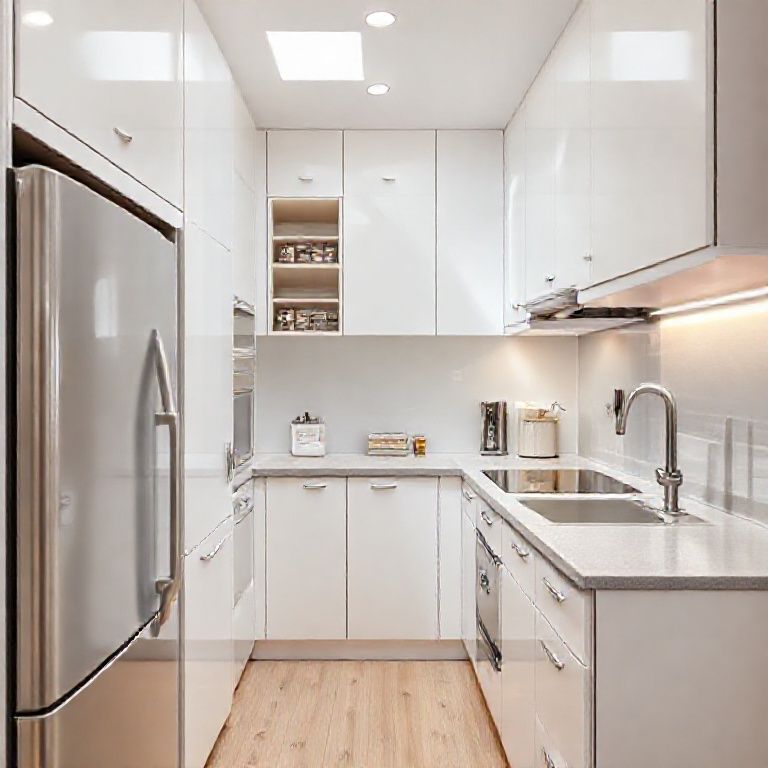
The journey to a beautifully designed 1.2-meter kitchen begins with a shift in perspective. Instead of viewing the limited space as a constraint, let’s reframe it as a catalyst for creativity. This compact area demands a thoughtful, curated approach, forcing us to prioritize what truly matters and to seek out smart, multi-functional solutions. It’s an invitation to declutter, to streamline, and to infuse your cooking sanctuary with personality and purpose. Whether you’re designing for a studio apartment, a guest house, or simply looking to optimize a small corner of your home, the principles we’ll explore here are universally applicable to creating a kitchen that’s not just functional, but truly delightful.
The Foundation: Smart Layouts for Maximum Flow
When space is at a premium, the layout isn’t just a suggestion; it’s the bedrock of your entire kitchen’s success. For a 1.2-meter span, a linear or galley-style layout is often the most practical. This means placing all your primary kitchen elements – sink, stovetop, and refrigerator – along a single wall. The key here is to optimize the workflow. Imagine a triangle formed by these three main components. While a traditional kitchen triangle might be spread out, in our 1.2-meter world, this triangle will be compressed, but the principle of adjacency remains crucial for efficiency.
The Single-Wall Symphony: This is your go-to. Everything is aligned on one wall. The order can vary, but a common and effective sequence is: Refrigerator -> Sink -> Cooktop. This allows for a logical progression from storing ingredients, to washing them, to cooking. However, consider your personal cooking habits. If you do a lot of prep work, you might want to ensure a small countertop space between the sink and the cooktop. If space is incredibly tight, even a tiny bit of counter here is gold. Thinking Vertically: When horizontal space is limited, the only way to go is up! This is where cabinetry becomes your best friend. Opt for floor-to-ceiling cabinets to maximize storage. Open shelving, strategically placed, can also break up the monotony of solid cabinets and provide accessible storage for frequently used items. However, be mindful of visual clutter; open shelving requires a certain level of tidiness to remain appealing. The “Work Zone” Concept: Even in a tiny kitchen, think about distinct work zones. You have your “prep zone” (ideally between sink and cooktop), your “cooking zone” (the cooktop), and your “storage zone” (refrigerator and cabinets). By mentally (or physically, with clever design) separating these, you can create a sense of order and efficiency.
Cabinetry: The Backbone of Compact Storage
Your cabinets are the workhorses of your kitchen, and in a 1.2-meter space, their design and configuration are paramount. Forget bulky, deep cabinets that eat up precious floor space. We need sleek, efficient solutions that offer maximum storage capacity without overwhelming the room.
Slimline and Shallow: Consider opting for shallower base cabinets. While standard depth is around 60cm, a 45cm depth can still accommodate many essential items and free up valuable walking space in front of your counter. Wall cabinets can also be slightly shallower if your needs allow. Drawer Power: Drawers are significantly more efficient than deep cabinets for accessing items. You can see everything at a glance and reach it easily. Prioritize deep drawers for pots and pans, and shallower drawers for utensils and smaller items. Integrated Everything: Think about integrated appliances. A slimline dishwasher that tucks neatly under the counter, or a combi-oven that bakes and microwaves, can save precious space. Even a pull-out bin system can be more efficient than a freestanding one. Clever Corner Solutions: If your 1.2 meters are part of a larger L-shape or U-shape, corner cabinets can be a black hole. Invest in pull-out carousels or magic corner units to make these spaces accessible and functional. Open vs. Closed Storage: A balance is key. Closed cabinets hide clutter, but too many can make a small space feel closed off. Open shelving can add visual interest and accessibility, but requires discipline. Consider a mix: closed cabinets for less attractive items and appliances, and open shelves for frequently used dishes, spices, or decorative elements.
Appliance Selection: Small Footprint, Big Impact
Choosing the right appliances for a 1.2-meter kitchen is like selecting jewels for a delicate necklace – each piece must be chosen with care, fitting perfectly and contributing to the overall beauty and function. Size matters here, but so does multi-functionality and aesthetic integration.
The Slim Fridge: A standard refrigerator can dominate a small kitchen. Look for slimline or under-counter refrigerators. If you’re a single person or a couple with minimal refrigeration needs, an under-counter model might suffice. Alternatively, a tall, slim fridge can offer good capacity without taking up excessive width. The Compact Cooktop: For cooking, a two-burner induction or ceramic cooktop is often sufficient for most daily needs in a small kitchen. Induction is highly efficient and offers precise temperature control, making it a great choice. If you can find one, a small integrated oven/grill unit can be incredibly versatile. The Mighty Microwave/Combi-Oven: A microwave is a staple, but a combi-oven that offers microwave, convection, and grill functions can dramatically reduce the need for separate appliances. This is a true space-saver and a culinary powerhouse in miniature. The Hidden Helper: Consider smaller, integrated appliances that blend seamlessly. A slimline dishwasher drawer, a compact sink with a drainboard, or even a built-in wine fridge (if that’s your lifestyle!) can be surprisingly efficient.
By focusing on these foundational elements – a smart layout, efficient cabinetry, and carefully chosen appliances – you’re already well on your way to transforming your 1.2-meter kitchen from a potential challenge into a triumph of design. The next part will delve into the finer details that truly bring the space to life, from countertops and lighting to color palettes and personal touches.
Having laid the groundwork with smart layouts, efficient cabinetry, and the right appliances, it’s time to imbue our 1.2-meter kitchen with personality, style, and the final touches that elevate it from merely functional to truly inspiring. This is where we talk about the elements that make a space feel like yours, where light plays tricks, and where every surface serves a purpose beyond the purely utilitarian. It’s about the sensory experience of being in your kitchen, making it a place you want to be, not just a place you have to cook in.
Countertops: The Unsung Heroes of Kitchen Workflow
Your countertop is your primary workspace. In a 1.2-meter kitchen, its material, depth, and strategic placement are critical. It’s where you chop, mix, assemble, and often, where casual meals are enjoyed.
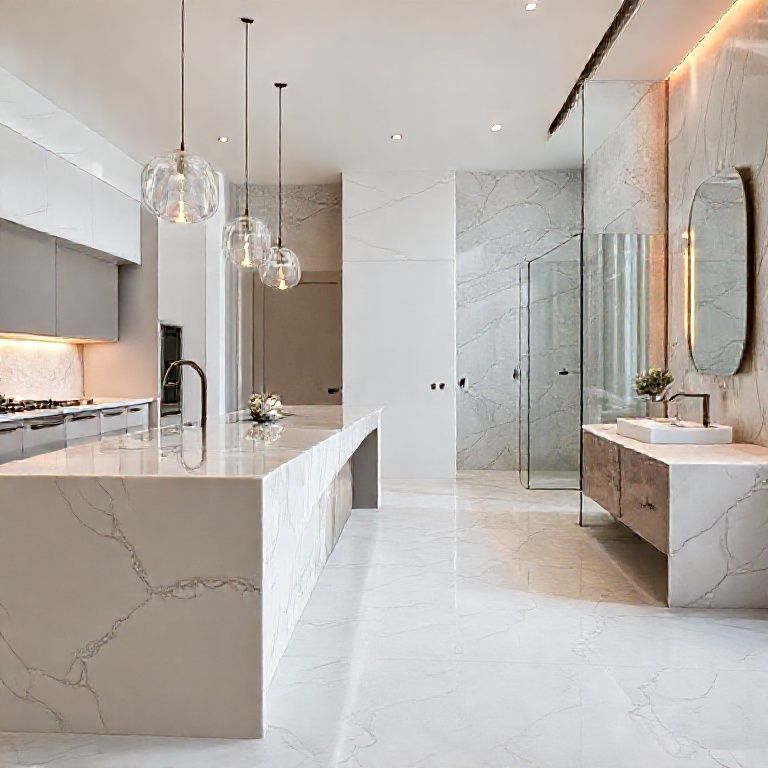
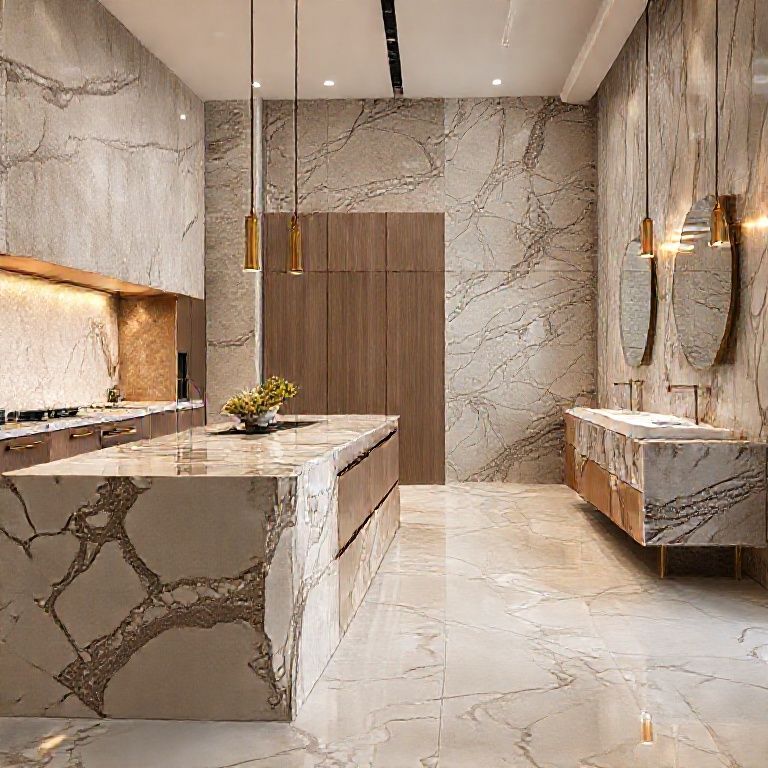
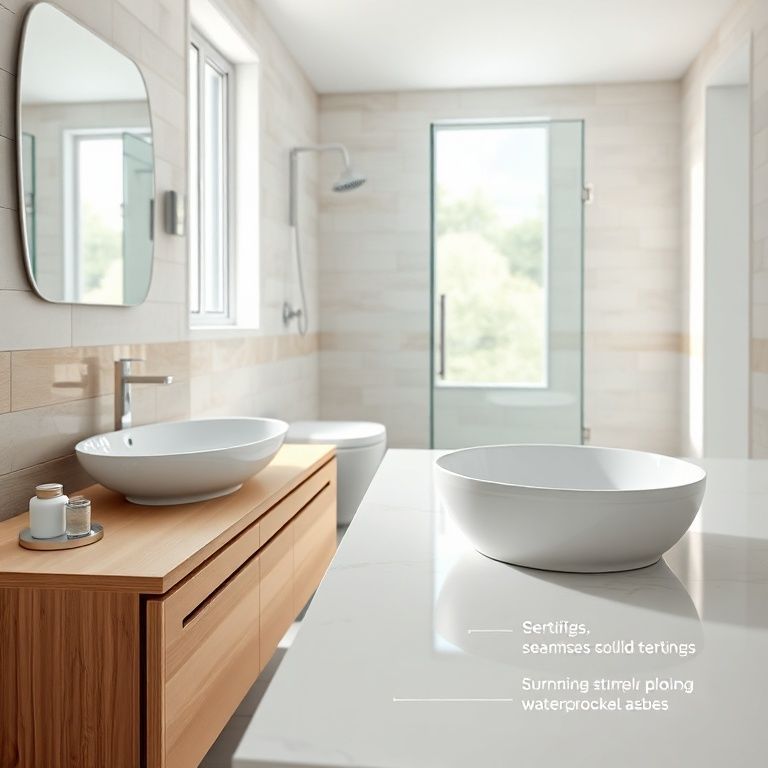
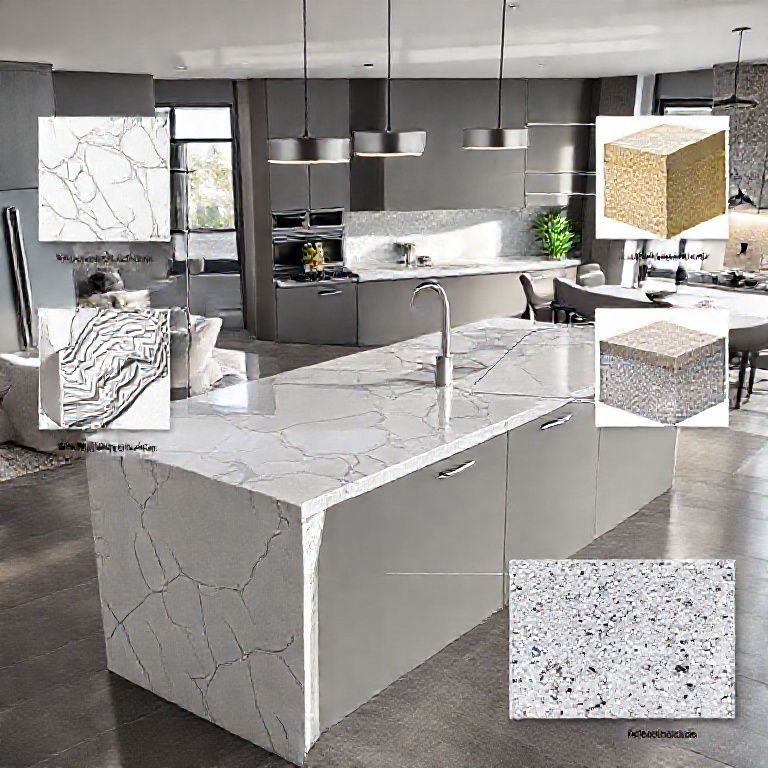
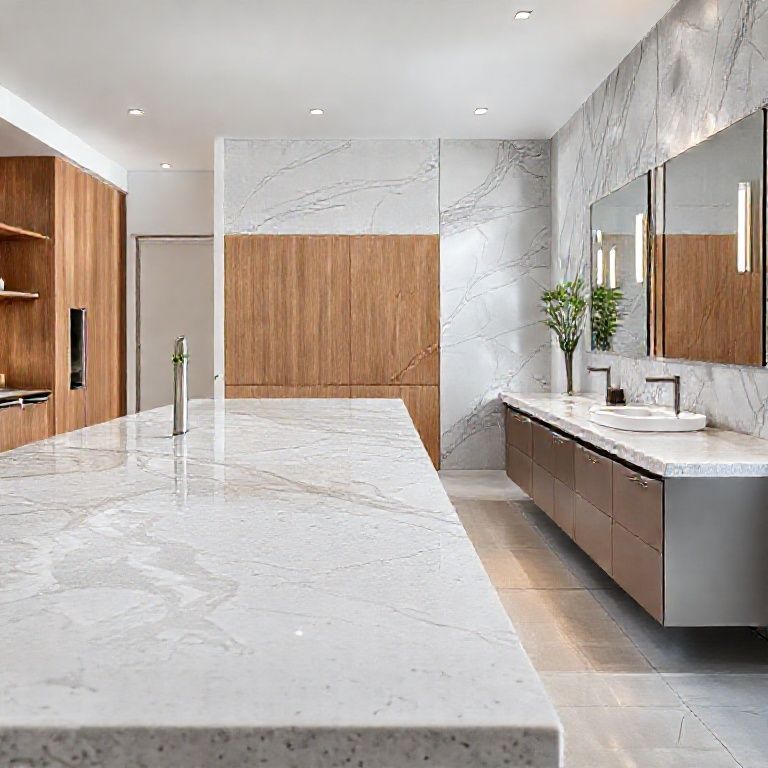
Material Matters: Durability, ease of cleaning, and aesthetics are key. Quartz and solid surface materials are excellent choices for their non-porous nature and resistance to stains and scratches. For a more budget-friendly option, laminate can be a good choice, but opt for a high-quality, modern design. Even wood can work, but requires more maintenance. Depth and Width: If possible, maximize the depth of your countertop. A standard depth of 60cm is ideal, but if you have to sacrifice a few centimeters to gain walkway space, ensure you still have enough room to work comfortably. Consider extending your countertop slightly if you have a bit of wiggle room to create a small breakfast bar or a more generous prep area. Integrated Sinks: A seamless sink integrated into the countertop not only looks sleek but also eliminates grout lines and crevices where dirt can accumulate. Undermount sinks are also a great option for a clean look and easy wiping. Fold-Down Extensions: For those moments when you need a little extra surface area – perhaps for a party or a more elaborate cooking project – consider a fold-down countertop extension. These can be discreetly mounted to the wall and pulled down when needed, then folded away to reclaim space.
Lighting: Illuminating Your Culinary Canvas
Lighting is often an overlooked element in small space design, but it’s a game-changer. The right lighting can make your 1.2-meter kitchen feel larger, more inviting, and more functional.
Layered Lighting: Think in layers: ambient, task, and accent lighting. Ambient Lighting: This is your general illumination. A flush-mount ceiling light or a stylish pendant can provide overall light. Task Lighting: This is crucial for your work areas. Under-cabinet LED strip lights are a brilliant solution, illuminating your countertops without taking up any valuable surface space. They provide bright, focused light exactly where you need it. Accent Lighting: This can add warmth and personality. Consider small spotlights above open shelves or within glass-front cabinets. Color Temperature: Opt for a warm white (around 2700K-3000K) for ambient and accent lighting to create a cozy atmosphere. For task lighting, a cooler white (around 4000K) can be more energizing and aid in detail work. Natural Light Maximization: If you have a window, keep it as unobstructed as possible. Use sheer blinds or shutters that can be adjusted to control light and privacy without sacrificing visual space.
Color Palette and Finishes: Creating an Illusion of Space
The colors and finishes you choose will significantly impact how large or small your kitchen feels. The goal is to create a sense of openness and airiness.
Light and Bright: Light colors are your best friends in a small space. White, off-white, pale grays, and soft pastels will reflect light and make the kitchen feel more expansive. Consider painting your cabinets, walls, and even your ceiling in light, harmonious tones. Monochromatic Magic: A monochromatic color scheme, using variations of a single color, can create a cohesive and sophisticated look that also enhances the sense of space. Glossy Surfaces: High-gloss finishes on cabinets, backsplashes, and even countertops can reflect light, creating a more open and airy feel. Mirrored Backsplashes: A mirrored backsplash is a bold but incredibly effective way to visually double the space and bounce light around the room. Seamless Flooring: Use a single type of flooring throughout the kitchen and any adjacent areas to create a sense of continuity and prevent the space from feeling chopped up.
Storage Solutions Beyond Cabinets: The Little Things That Make a Big Difference
While cabinets are the main storage players, clever additions can free up valuable counter and cabinet space and keep your kitchen organized.
Wall-Mounted Organizers: Think magnetic knife strips, wall-mounted spice racks, utensil rails, and even small pegboards. These utilize vertical wall space effectively. Over-the-Sink Drying Racks: These can be incredibly practical for drying dishes without taking up counter space. Some are even designed to roll up when not in use. Cabinet Door Inserts: Utilize the inside of your cabinet doors for storing lids, cleaning supplies, or small tools. Drawer Dividers and Organizers: Keep your drawers neat and tidy with customizable dividers to prevent items from jumbling together. Rolling Carts: A slim, rolling cart can provide extra counter space and storage that can be moved around as needed. When not in use, it can be tucked away.
The Personal Touch: Making it Yours
Even the most perfectly designed small kitchen can feel sterile if it lacks personality. This is where you infuse your own style and make it a place you love spending time.
Art and Decor: Hang a piece of art on an available wall, display a few cherished cookbooks, or add a small plant for a touch of life. Stylish Hardware: Update your cabinet knobs and pulls to reflect your personal style. This is a simple but effective way to add a designer touch. A Splash of Color: Even with a light color palette, you can introduce pops of color through accessories like tea towels, canisters, or a vibrantly colored appliance like a toaster or kettle. The Power of Scent: A nicely scented kitchen can be incredibly welcoming. Consider a diffuser with subtle kitchen-friendly scents like lemon or rosemary, or simply the aroma of freshly brewed coffee.
Designing a 1.2-meter kitchen is a testament to the fact that good design is not about the size of the space, but about the intelligence and creativity applied to it. By embracing smart layouts, maximizing storage, selecting the right appliances, and paying attention to lighting, color, and those all-important personal touches, you can create a kitchen that is not just functional, but a joyful and inspiring heart of your home. It’s a space that proves that with a little ingenuity, even the smallest canvas can hold the grandest culinary dreams.