The kitchen. It’s the heart of the home, the stage for culinary triumphs and the gathering spot for everyday life. But what happens when the “heart” is a little… constrained? For many, the reality of a 2-meter wide kitchen presents a unique design challenge. The instinct might be to despair, to lament the lack of sprawling countertops and ample storage. But I’m here to tell you that a narrow kitchen is not a design dead end; it’s an invitation to get creative, to embrace efficiency, and to ultimately craft a space that is both incredibly functional and undeniably chic.
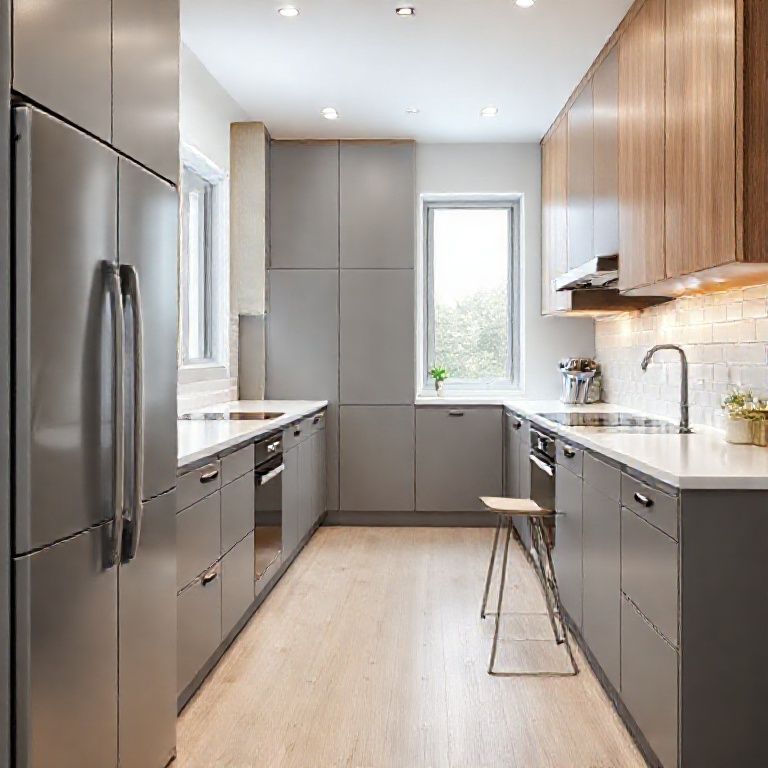
Think of a 2-meter wide kitchen not as a limitation, but as a canvas for cleverness. The success of such a space hinges on thoughtful planning and an understanding of how to maximize every inch. This isn’t about cramming in as much as possible; it’s about strategic placement, smart storage, and a design philosophy that prioritizes flow and usability. The goal is to create a galley-style kitchen that feels open, airy, and a joy to work in, rather than a claustrophobic corridor.
The foundational element of any successful narrow kitchen design is the layout. The most common and effective layout for a 2-meter wide space is the classic galley kitchen. This involves two parallel runs of cabinetry and appliances, or one run against a wall with an open side. For a 2-meter width, this typically means approximately 1.2 to 1.5 meters of workable space between the two main surfaces, leaving ample room for comfortable movement and the opening of appliance doors.
When planning your galley layout, consider the “work triangle” – the imaginary line connecting the sink, refrigerator, and stove. Even in a narrow space, maintaining a logical flow between these key zones is paramount. Ideally, the sink and stove would be on opposite walls to avoid a bottleneck. If space is extremely limited, placing them on the same wall, with the refrigerator on the opposite side, can also work, provided there’s enough clearance. The key is to avoid having to perform a U-turn with hot pans or bags of groceries.
Appliances are another critical consideration. In a 2-meter wide kitchen, scale is your friend. Opt for slimline refrigerators, compact dishwashers (or perhaps forgo one if space is truly at a premium and you’re willing to handwash), and induction or gas cooktops that offer excellent performance without excessive depth. Built-in appliances can create a seamless look and save valuable inches. Think about integrated ovens that can be placed under the counter, freeing up wall space. And for that all-important ventilation, a sleek, integrated range hood is a far better choice than a bulky, protruding one.
Storage is where the magic truly happens in a narrow kitchen. Forget deep, cavernous cabinets that lead to forgotten back-of-the-cupboard items. Instead, focus on maximizing vertical space and employing smart storage solutions. Wall-mounted cabinets should extend as high as possible to the ceiling, creating significant storage opportunities without encroaching on your workspace. Open shelving can also be a great option for displaying attractive items and keeping frequently used tools within easy reach.
Within your cabinets and drawers, organization is key. Consider pull-out shelves, lazy Susans for corner cabinets (if you have them), drawer dividers, and specialized organizers for pots, pans, cutlery, and spices. Toe-kick drawers can offer surprisingly generous storage for platters, baking sheets, or seldom-used items. Wall-mounted magnetic knife strips and pot racks can free up valuable drawer and counter space. The aim is to make everything accessible and easy to find, minimizing clutter and maximizing efficiency.
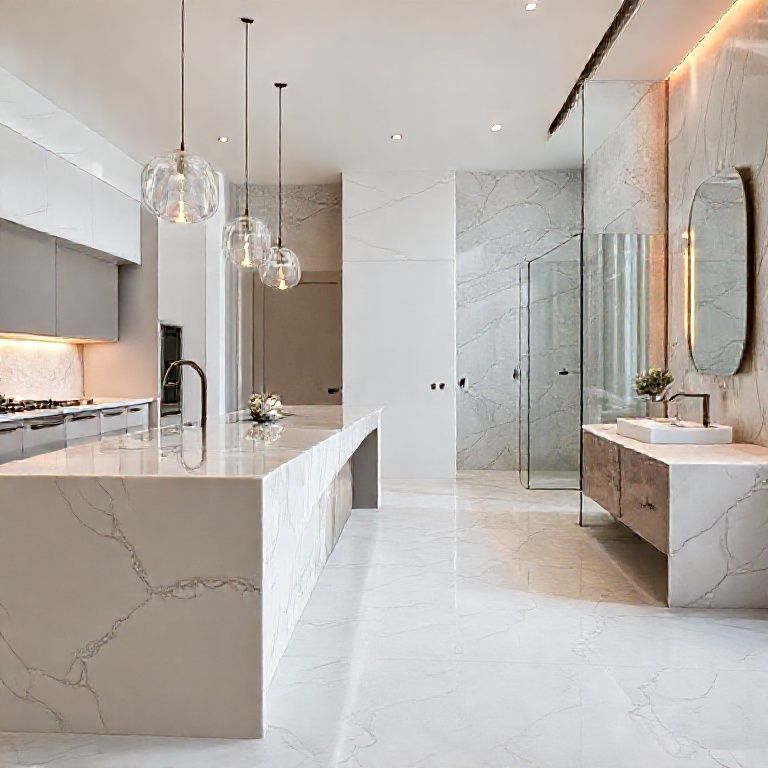
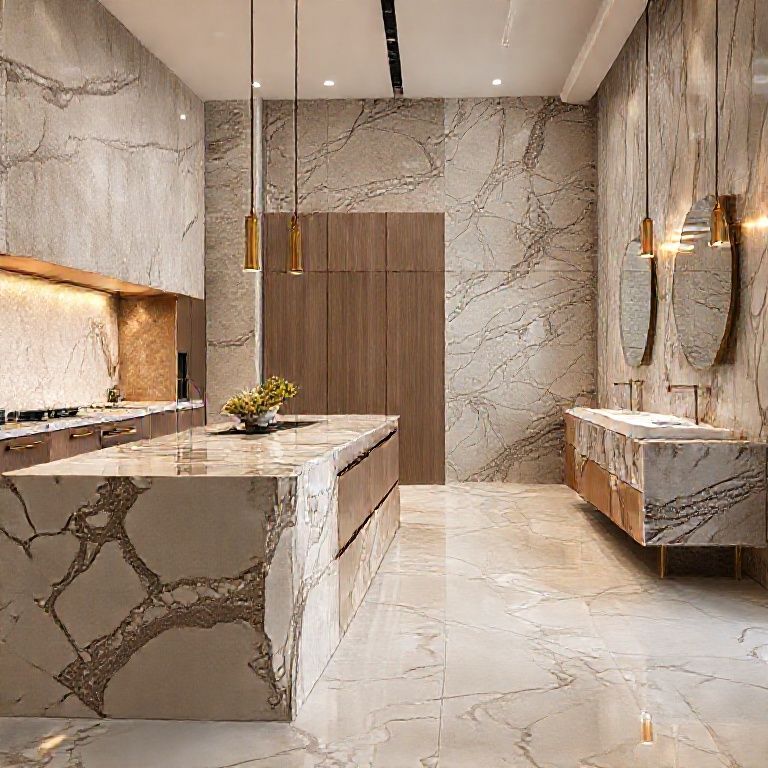
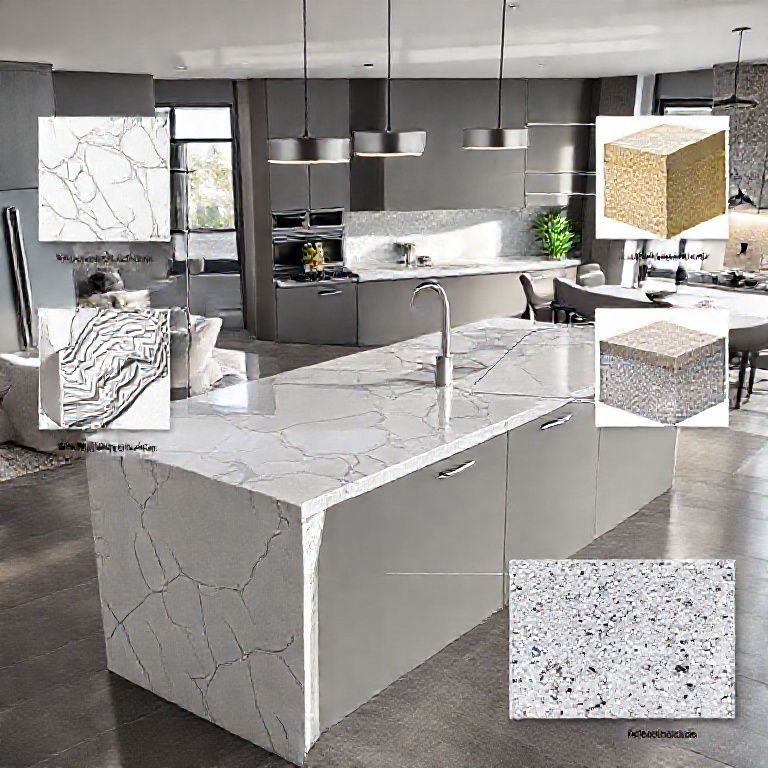
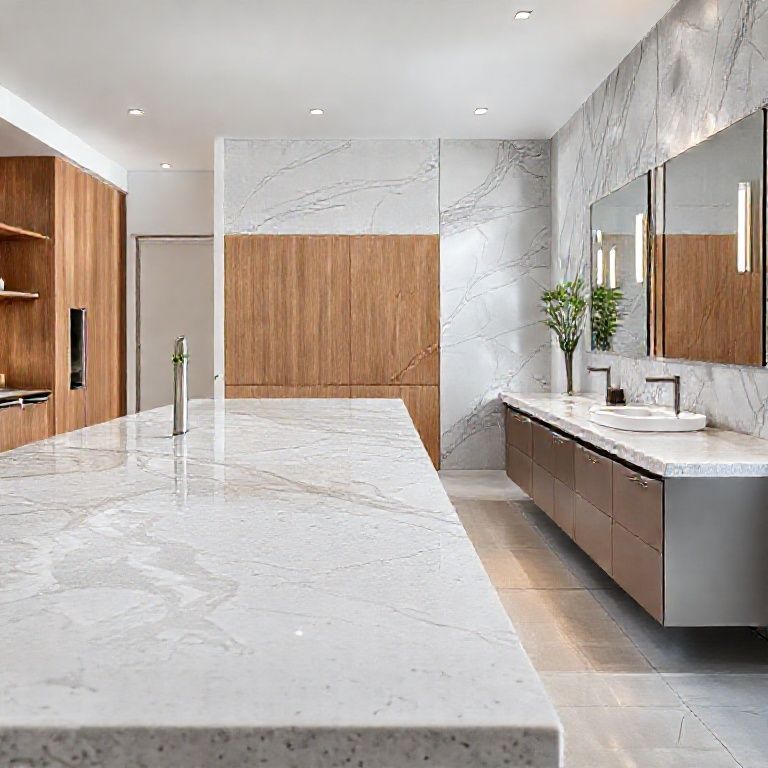
The choice of materials and finishes plays a significant role in making a narrow kitchen feel larger and more inviting. Light colors are your best friend. White, off-white, pale grey, or soft pastels on cabinetry, countertops, and walls will reflect light and create a sense of spaciousness. Consider a high-gloss finish on your cabinets, which will bounce light around the room. For countertops, quartz, granite, or a solid surface in a light color will enhance this effect.
Backsplashes are another opportunity to add style and visual interest. Opt for a mirrored backsplash to create the illusion of depth, or a light-colored tile with a subtle pattern. Subway tiles are a timeless choice that can make a narrow space feel longer when laid horizontally.
Lighting is absolutely crucial in a 2-meter wide kitchen. A well-lit space feels larger and more welcoming. Beyond general overhead lighting, consider task lighting under your wall cabinets to illuminate your work surfaces. Pendant lights over an island (if you have one) or a small breakfast bar can add a stylish focal point and provide additional illumination. Ensure the light is bright and functional, but also warm and inviting.
The floor plan of a 2-meter wide kitchen often lends itself to a linear arrangement, with everything along one or two walls. This is commonly referred to as a galley kitchen. For a 2-meter width, this typically allows for comfortable passage of 1.2 to 1.5 meters between the working surfaces. This is crucial for ensuring you can open appliance doors, manoeuvre around each other (if you have a co-chef), and simply move about without feeling cramped.
When designing a galley kitchen, the placement of your key zones – the refrigerator, the sink, and the stove – is paramount. The aim is to create an efficient workflow, often referred to as the “work triangle,” even within this constrained space. Ideally, you’ll want to avoid having the sink and stove directly opposite each other if it creates a tight squeeze when both are in use. A common and effective approach is to have the sink and stove on one wall, with the refrigerator on the opposite wall, or the refrigerator at one end of the run. This way, you have a clear path for bringing groceries in, storing them, and then preparing meals.
Consider the order of operations. Typically, you’ll pull food from the refrigerator, prepare it on the counter, and then cook it at the stove. Having these elements in sequence, with sufficient counter space between them, makes the cooking process much smoother. For example, if your stove is on the right wall, having the refrigerator at the far end of the left wall, followed by the sink, and then counter space before the stove, can create a logical flow.
Appliance selection is a critical decision in a narrow kitchen. It’s not about compromising on functionality, but about choosing appliances that are scaled appropriately for your space. Think slimline refrigerators – many brands offer models that are significantly narrower than standard units. Consider an under-counter refrigerator or freezer if you have significant pantry storage elsewhere in your home.
When it comes to cooking, induction cooktops are a fantastic choice for narrow kitchens. They are energy-efficient, offer precise temperature control, and often have a sleek, integrated look. Many induction cooktops are also flush-mounted, creating a seamless surface that’s easy to clean. If you prefer gas, opt for a narrower gas hob.
Dishwashers are often a point of contention in small kitchens. If you have the space, a slimline or 18-inch dishwasher is a game-changer. However, if every inch counts, you might need to consider a portable dishwasher or even embrace the art of handwashing.
The visual aspects of your 2-meter wide kitchen are just as important as its functionality. Light colors are your best friend. White, off-white, pale grey, and soft, muted tones on cabinetry, walls, and countertops will make the space feel more open and airy. Consider a high-gloss finish for your cabinets, as this will reflect light and enhance the sense of spaciousness.
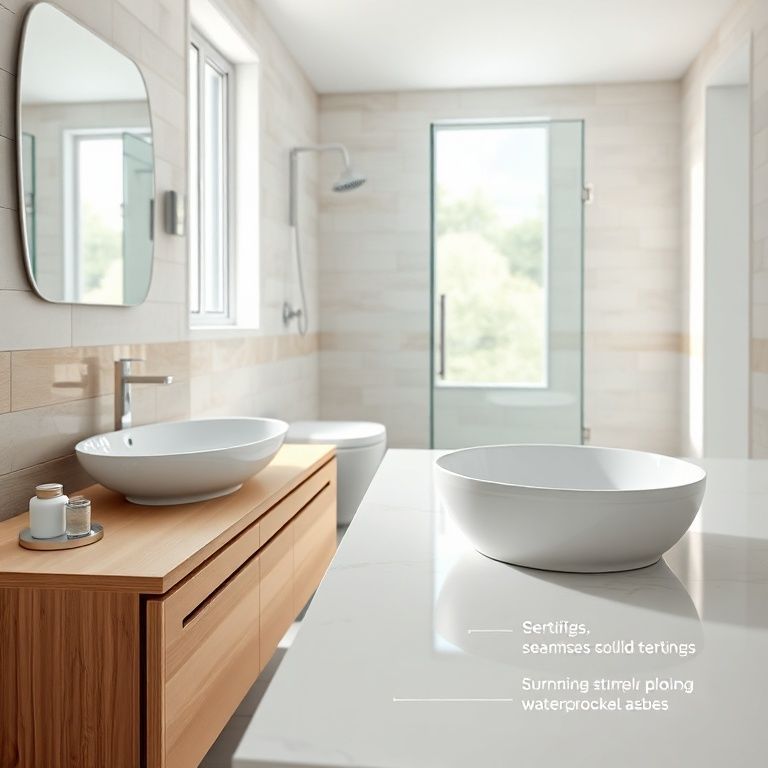
Countertops can be a focal point. Opt for materials like quartz, solid surface, or even a light-colored laminate. Avoid overly busy patterns, which can make a small space feel cluttered. Integrated sinks, where the sink is seamlessly formed from the same material as the countertop, create a streamlined look and reduce visual breaks.
Backsplashes can add personality and style. Light-colored subway tiles laid horizontally can elongate the space. A mirrored backsplash is a clever trick to visually double the width of your kitchen. Alternatively, a simple, light-colored tile or a solid surface that matches your countertops will create a cohesive and clean look.
Lighting is absolutely paramount in a narrow kitchen. It needs to be bright, functional, and inviting. Beyond a good overhead light, ensure you have ample task lighting. Under-cabinet LED strips are a must for illuminating your work surfaces without casting shadows. Consider a couple of well-placed pendant lights if you have a small island or a breakfast bar. Warm, dimmable lighting can also help create a cozy atmosphere in the evenings.
When it comes to flooring, lighter colors and continuous patterns will help to visually expand the space. Consider large-format tiles or continuous wood or laminate flooring. Avoid small, busy patterns that can make the floor feel fragmented.
Think about your hardware. Sleek, minimalist cabinet pulls and handles in a brushed nickel or matte black finish can add a touch of sophistication without being visually overwhelming.
Finally, don’t underestimate the power of thoughtful accessories. Keep countertops as clear as possible. Use wall-mounted organizers for utensils and spices. A small, well-chosen piece of art or a vibrant plant can add a personal touch without taking up precious space. The overall aim is to create a kitchen that feels expansive and elegant, proving that a 2-meter wide space can indeed be a culinary dream.
Continuing our exploration of the 2-meter wide kitchen, let’s delve deeper into the strategic application of cabinetry, the magic of multi-functional elements, and the art of visual expansion through design choices. The goal is to transform what might seem like a constraint into a space of remarkable efficiency and undeniable charm.
Cabinetry in a narrow kitchen is about more than just storage; it’s about defining the architecture of your space. The standard upper and lower cabinet configuration is essential, but how you utilize them makes all the difference. For upper cabinets, extend them as high as possible, reaching towards the ceiling. This not only maximizes storage but also draws the eye upwards, creating a sense of verticality that counteracts the narrowness of the room. Consider glass-fronted cabinets on some upper sections to break up the visual monotony of solid doors and to display attractive dinnerware or glassware. This can add depth and a lighter feel to the cabinetry.
When it comes to base cabinets, prioritize deep, pull-out drawers over traditional cabinets with doors. Drawers offer superior accessibility, allowing you to see and reach everything within them with ease. This is particularly beneficial in a narrow space where reaching to the back of a deep cabinet can be a challenge. Think about specialized drawer inserts for pots, pans, and utensils – these are invaluable for keeping everything organized and easily retrievable. Toe-kick drawers, located in the plinth at the bottom of your cabinets, are a brilliant, often overlooked, storage solution for flat items like baking sheets, serving platters, or even tablecloths.
The countertop is your primary workspace, and in a 2-meter wide kitchen, every inch of it needs to be functional and well-utilized. Keep your countertops as clear as possible by employing vertical storage solutions. Wall-mounted magnetic knife strips, utensil racks, and spice racks can keep essential items within easy reach without cluttering the work surface. Consider a cutting board that fits snugly over your sink – this essentially extends your countertop space when needed.
Multi-functional elements are the unsung heroes of small-space design. Think about a narrow island or a peninsula. Even a compact, movable island can provide valuable extra prep space, a breakfast bar, or additional storage. If space is extremely limited, a fold-down table attached to the wall can serve as a dining area or an extra workspace when needed, and disappear when not in use. Consider an extendable dining table that can be folded down to a console table size when not in use.
Appliances should be chosen with efficiency and scale in mind. As mentioned before, slimline refrigerators are a must. For cooking, consider a combination oven that offers both convection and microwave functions, saving space and versatility. A multi-functional countertop appliance, like an Instant Pot or a high-quality toaster oven, can reduce the need for numerous single-purpose gadgets. Even your sink can be multi-functional. A deep sink with a drainboard and a removable cutting board insert can serve as a prep area, a wash station, and even a temporary drying rack.
Visual expansion is key to making a 2-meter wide kitchen feel larger and more inviting. Color plays a crucial role here. Light and bright colors are your allies. White, off-white, pale grey, and soft pastels on cabinetry, walls, and even the ceiling will reflect light and create an illusion of spaciousness. Consider a monochromatic color scheme for a seamless, expansive look.
The choice of materials for your countertops and backsplash can also contribute to the sense of space. A high-gloss finish on your cabinets will reflect light. For countertops, opt for smooth, non-fussy materials in lighter tones. A mirrored backsplash is a classic trick for making a narrow space feel wider. Alternatively, a light-colored subway tile laid horizontally will enhance the sense of length. If you opt for open shelving, use it strategically for displaying decorative items or frequently used, attractive cookware, keeping it uncluttered and visually light.
Lighting is not merely functional in a narrow kitchen; it’s an architectural element that can transform the perception of space. Beyond adequate general illumination from ceiling lights, focus on task lighting. Under-cabinet LED strips are indispensable for illuminating your prep areas, banishing shadows, and making the workspace feel more expansive. Consider strategically placed pendant lights over a small island or breakfast bar to add a focal point and provide targeted light. Dimmable lighting options allow you to adjust the ambiance from bright and functional for cooking to soft and inviting for casual dining or entertaining.
Flooring can also contribute to the feeling of space. Large-format tiles or continuous flooring materials like wood or luxury vinyl planks can create a sense of flow. Avoid busy patterns or borders that can visually break up the floor and make the room feel smaller.
Hardware and fixtures should be sleek and understated. Minimalist cabinet pulls, integrated handles, and a well-designed faucet can add a touch of sophistication without adding visual clutter. Think about brushed nickel, matte black, or chrome finishes.
The overall aesthetic should lean towards clean lines and a streamlined appearance. Avoid excessive ornamentation or overly detailed designs. A minimalist or modern aesthetic often works best in narrow kitchens, as it emphasizes simplicity and functionality.
Finally, remember the power of negative space – the areas that are not filled. Resist the urge to cram every possible storage solution into your kitchen. Allowing for some breathing room will make the space feel less cluttered and more intentional. A small, well-placed piece of art, a vibrant plant on a windowsill, or a tastefully arranged fruit bowl can add personality without overwhelming the senses.
Ultimately, designing a 2-meter wide kitchen is an exercise in intelligent design. By prioritizing smart layouts, efficient storage solutions, multi-functional elements, and a keen eye for visual expansion, you can create a culinary space that is not only highly practical but also a stylish and enjoyable part of your home. It’s about embracing the opportunity to be creative and proving that even the most constrained spaces can become the heart of your home.