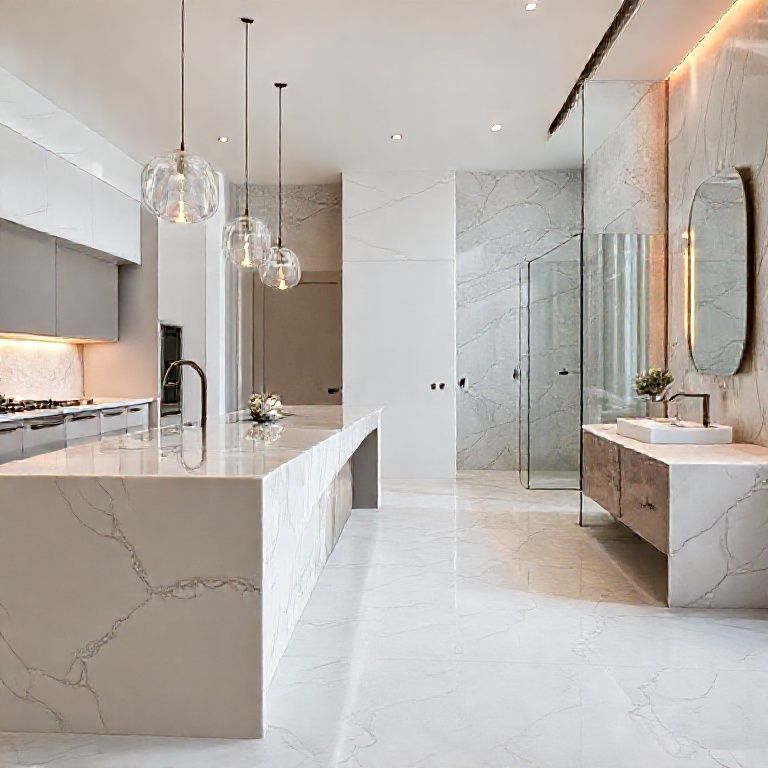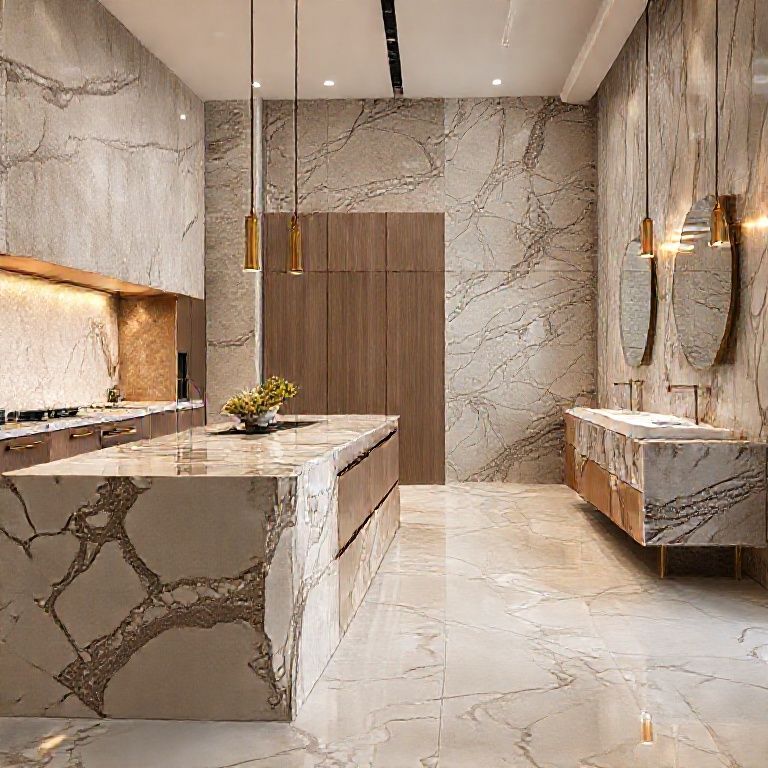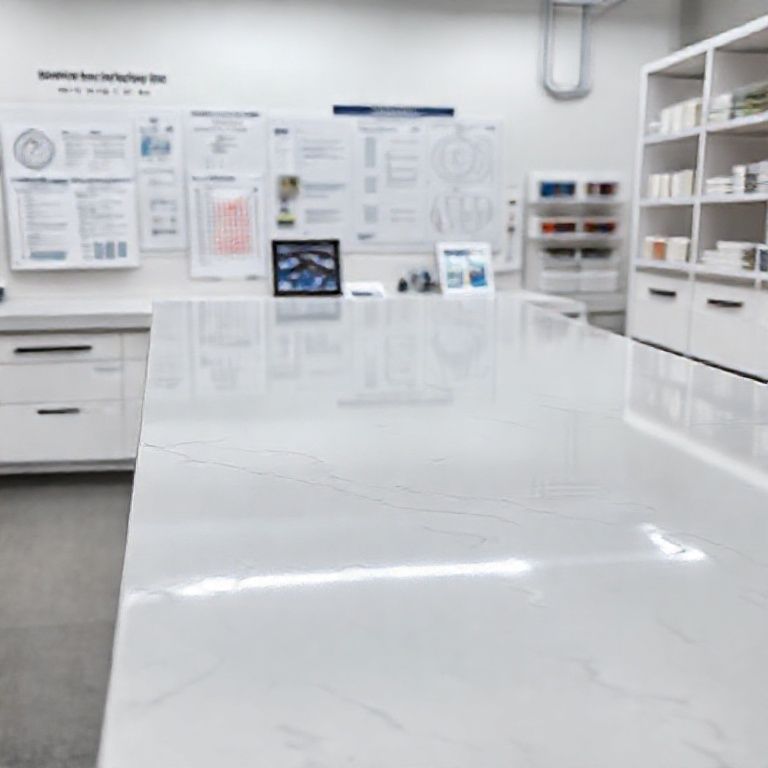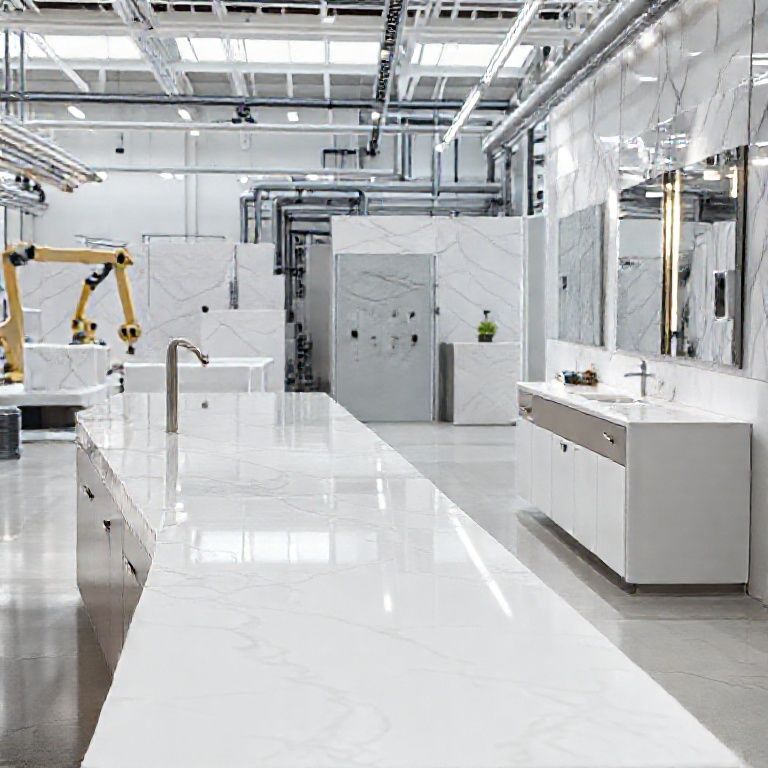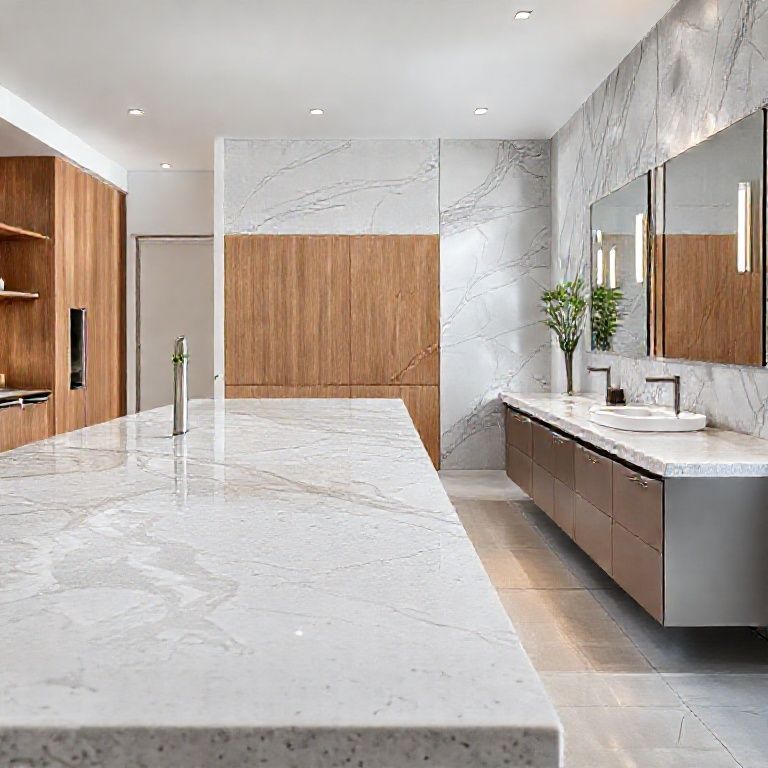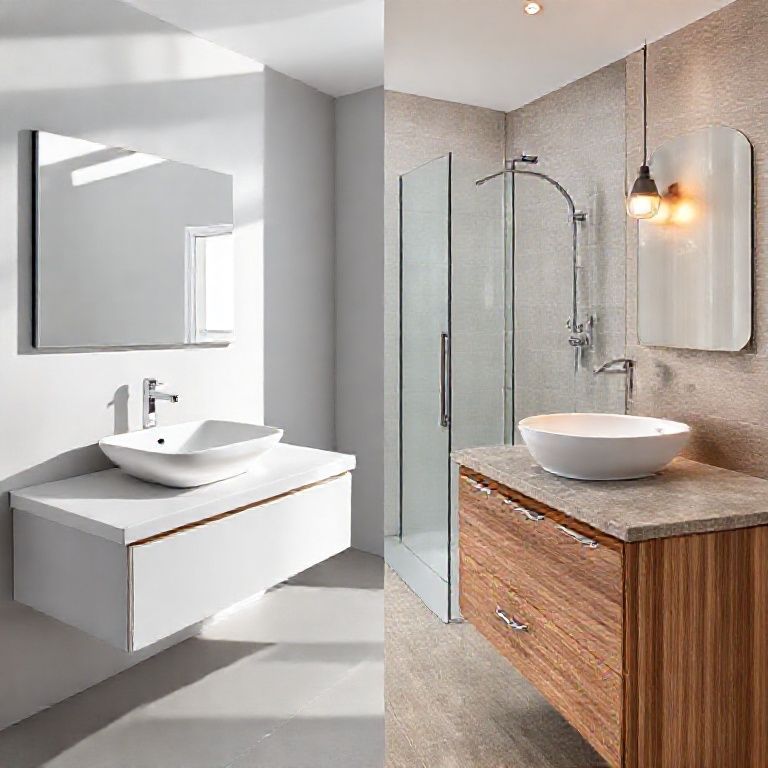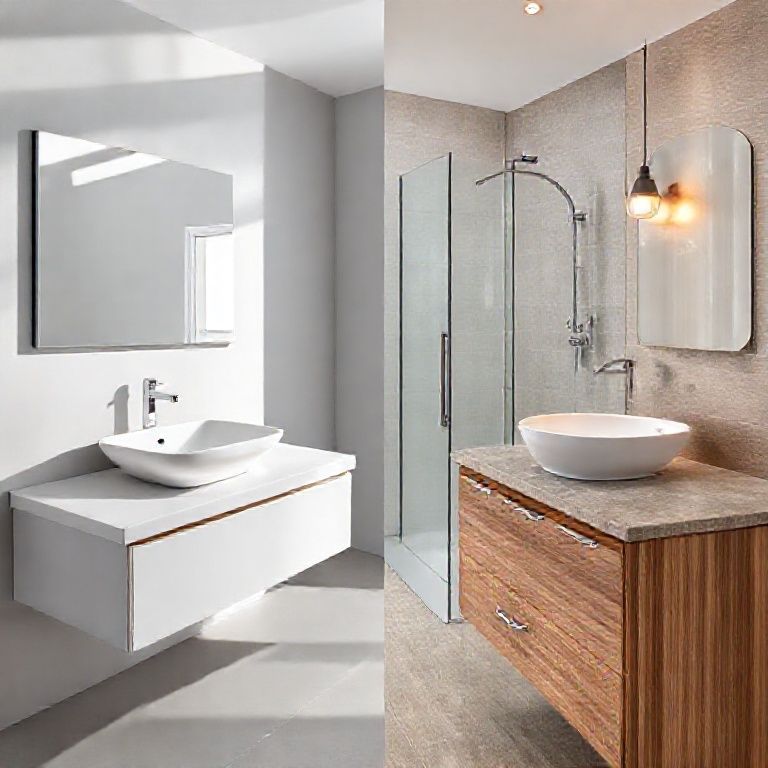
The world of interior design is currently undergoing a quiet revolution, one that isn’t shouted from the rooftops but is felt under the fingertips and seen in the seamless flow of a minimalist kitchen island. At the heart of this transformation lies the artificial stone slab manufacturer—a modern alchemist turning raw minerals and high-tech resins into the canvases of our daily lives. No longer seen as a mere substitute for marble or granite, engineered stone has claimed its throne as the premier choice for architects, designers, and homeowners who refuse to compromise between “breathtaking” and “bulletproof.”
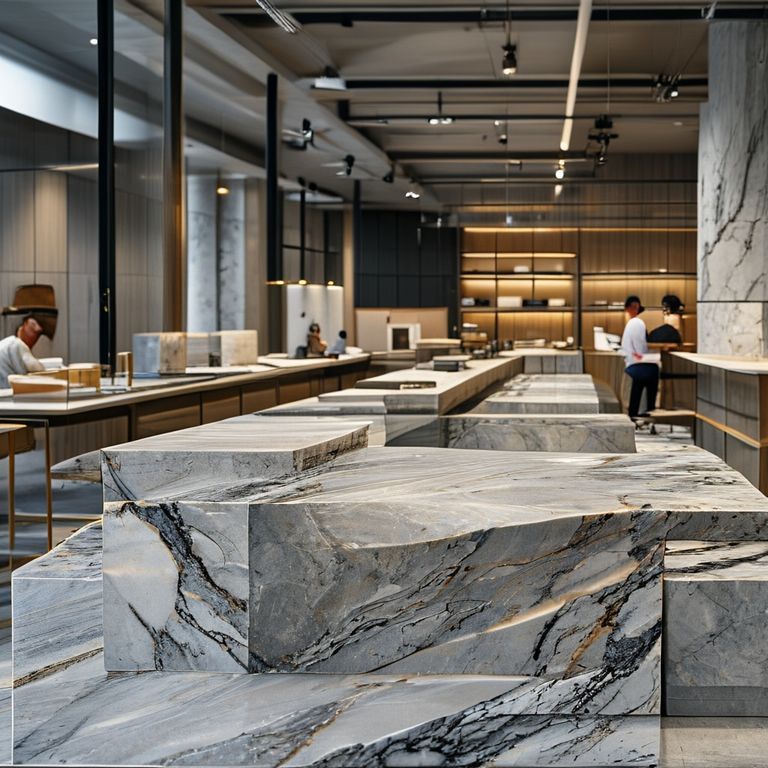
To understand why the choice of manufacturer matters so much, we have to look past the finished showroom gloss and into the belly of the beast: the factory floor. The creation of an artificial stone slab is a masterclass in industrial precision. Leading manufacturers don’t just “make” stone; they engineer performance. By utilizing the Bretonstone process or similar high-pressure vacuum vibro-compression technologies, these facilities take crushed quartz—one of nature’s hardest minerals—and bind it with high-quality polymer resins and pigments. The result is a non-porous, incredibly dense material that outperforms natural stone in nearly every measurable metric.
The allure of the modern artificial stone slab manufacturer lies in their ability to play God with geology. In a quarry, you get what the Earth gives you—cracks, unpredictable fissures, and color variations that might not suit a cohesive project. In the controlled environment of a top-tier manufacturing plant, the “recipe” is perfected. This consistency is the secret weapon of the commercial developer. When a hotel needs five hundred identical bathroom vanities, they don’t look to the mountains; they look to the manufacturer who can guarantee that the first slab off the line looks exactly like the last.
However, the conversation has shifted recently from mere consistency to high-art mimicry. The most prestigious artificial stone slab manufacturers have invested millions into R&D to master “through-body” veining. Years ago, the patterns on engineered stone were often just printed on the surface, disappearing the moment you polished an edge or cut a miter joint. Today, the elite manufacturers use robotic distribution systems that weave the pigments throughout the entire thickness of the slab. This means when a designer specifies a waterfall edge, the “marble” veins flow over the corner with a realism that can fool even a seasoned stonemason.
Beyond the aesthetics, there is the undeniable pull of durability. We live in an era where the home is a multi-functional hub—it’s a restaurant, an office, and a sanctuary. Natural stones like Carrara marble are beautiful, but they are notoriously temperamental, prone to staining from a spilled glass of Pinot Noir or etching from a squeeze of lemon. Artificial stone manufacturers have solved this heartbreak. Their slabs are essentially impervious to liquids and highly resistant to scratches. This “life-proof” quality is why the partnership between a designer and a manufacturer is so vital. A designer isn’t just selling a look; they are selling a decade of worry-free use.
Innovation in this sector is also being driven by a global push toward sustainability and health. The industry’s leading lights are moving away from traditional silica-heavy compositions toward “low-silica” or “zero-silica” slabs, utilizing recycled glass and bio-resins. This shift isn’t just about environmental stewardship; it’s about the longevity of the industry itself. A forward-thinking artificial stone slab manufacturer understands that the future of luxury is a clean conscience. They are recycling 90% of the water used in the polishing process and sourcing raw materials from responsible suppliers.
When you step into a space that feels grounded yet futuristic, you are likely standing in the presence of a manufacturer’s vision. Whether it’s the cool touch of an engineered quartz countertop or the expansive grandeur of a sintered stone wall cladding, the manufacturer is the silent partner in every successful design. They provide the raw material for our dreams, ensuring that the surfaces of our world are as resilient as they are radiant.
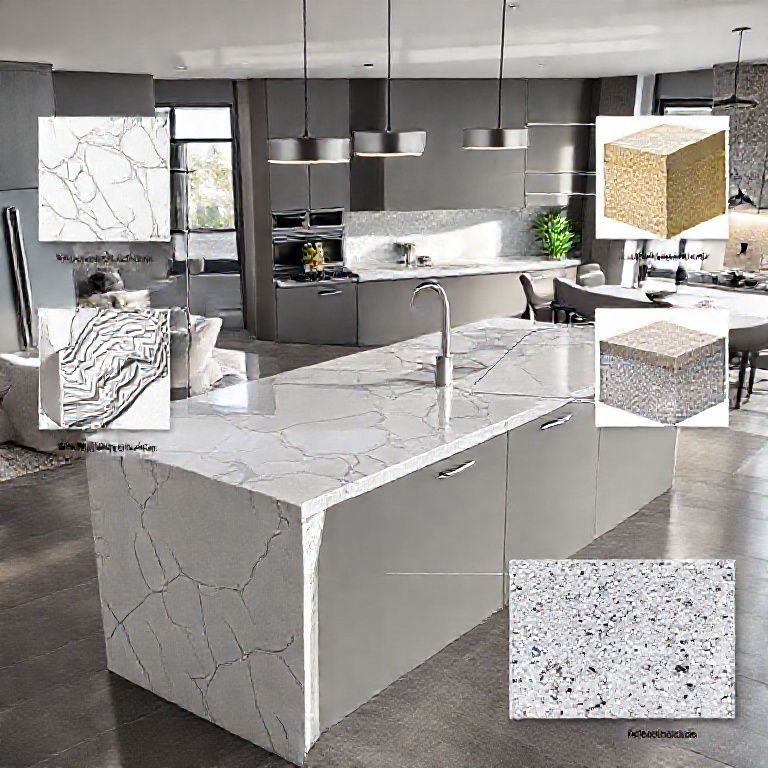
As we move deeper into the 21st century, the relationship between the artificial stone slab manufacturer and the end consumer is becoming more transparent and more collaborative. We are seeing a move away from the “commodity” mindset toward a “boutique” manufacturing approach. High-end manufacturers are no longer just producing gray and white slabs; they are creating textures that mimic leather, weathered concrete, and even the oxidized patina of aged metal. This diversification has cracked open the door for industrial and brutalist aesthetics that were previously difficult to achieve with traditional materials.
One of the most exciting frontiers for the modern manufacturer is the rise of Sintered Stone. While quartz remains the king of the kitchen, sintered stone represents the next evolution in the artificial stone lineage. Manufacturers of this material use a process called “sintering”—essentially a hyper-accelerated version of the metamorphic change that creates natural stone deep in the earth. By subjecting raw minerals to immense pressure and temperatures exceeding 1200°C, manufacturers produce a slab that is practically indestructible. It is UV resistant, meaning it won’t fade under the harsh sun, making it the go-to choice for outdoor kitchens and building facades. This leap in technology proves that the artificial stone slab manufacturer is no longer just following nature’s lead; they are surpassing it.
For the savvy business owner or importer, the “manufacturer” is more than a source of goods—they are a logistical backbone. The best manufacturers in the world, particularly those dominating the markets in Asia and Europe, have mastered the art of the global supply chain. They understand that a project delayed is a project failed. By offering comprehensive quality control reports, secure “A-frame” shipping methods, and a constant stream of new collections, they become an extension of their clients’ businesses. This reliability is what separates a top-tier artificial stone slab manufacturer from a fly-by-night operation.
The “human element” in this high-tech industry is also something worth celebrating. Despite the heavy machinery and the automated polishers, the final inspection of a premium slab is often done by the human eye and hand. Manufacturers employ specialists who scan for micro-fissures or slight pigment imbalances that a machine might miss. This marriage of digital precision and human intuition ensures that every slab leaving the warehouse is a masterpiece. It is this dedication to the craft that allows architects to push the boundaries of what is possible, creating cantilevered islands and seamless, floor-to-ceiling bathroom retreats.
Customization is the new luxury, and manufacturers are leaning into it. We are seeing the rise of “bespoke” slab production, where large-scale developers can request specific colorways or vein patterns tailored to a particular brand identity. This level of service was unheard of twenty years ago. It allows for a level of architectural storytelling that is incredibly precise. An artificial stone slab manufacturer can now create a surface that perfectly complements the specific wood grain of a custom cabinetry line or the exact metallic hue of a designer’s hardware.
Looking ahead, the role of the artificial stone slab manufacturer will only grow in importance as urban density increases and the demand for high-performance materials spikes. As we build taller and more efficiently, we need materials that are light enough for cladding but strong enough to withstand the elements. We need surfaces that don’t harbor bacteria in hospitals and don’t require harsh chemicals to clean in our homes. The engineered stone industry is meeting these challenges head-on, proving that “man-made” can be synonymous with “better.”
In the end, the story of the artificial stone slab manufacturer is a story of human ingenuity. It’s about taking the raw ingredients of our planet and refining them into something that elevates our environment. It’s about the quiet confidence that comes from knowing your dining table can handle the weight of a feast and the spill of a candle without a mark. When you choose a slab, you aren’t just choosing a color; you are choosing the history of innovation, the rigor of testing, and the artistic vision of the people who brought that stone to life. The modern manufacturer isn’t just making a product; they are crafting the foundation of the modern home.