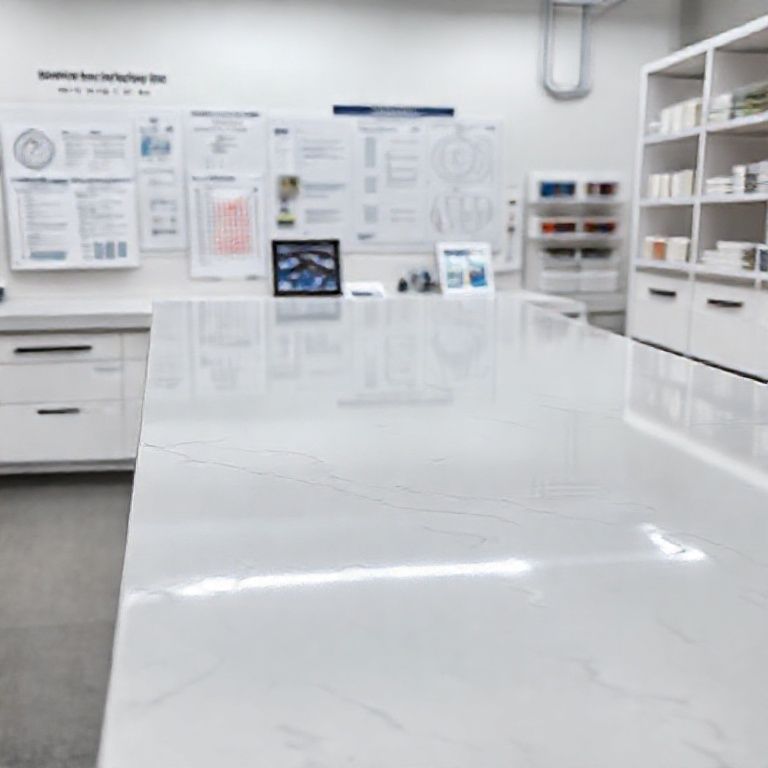
Understanding the Causes and Immediate Steps for Repair
When it comes to your kitchen or bathroom’s granite countertop, cracks can be alarming. However, understanding the root causes and knowing the immediate steps to take can make a significant difference in the longevity and appearance of your countertop. In this part of the article, we’ll explore the common causes of cracks, the initial steps to take, and some do-it-yourself repair methods.
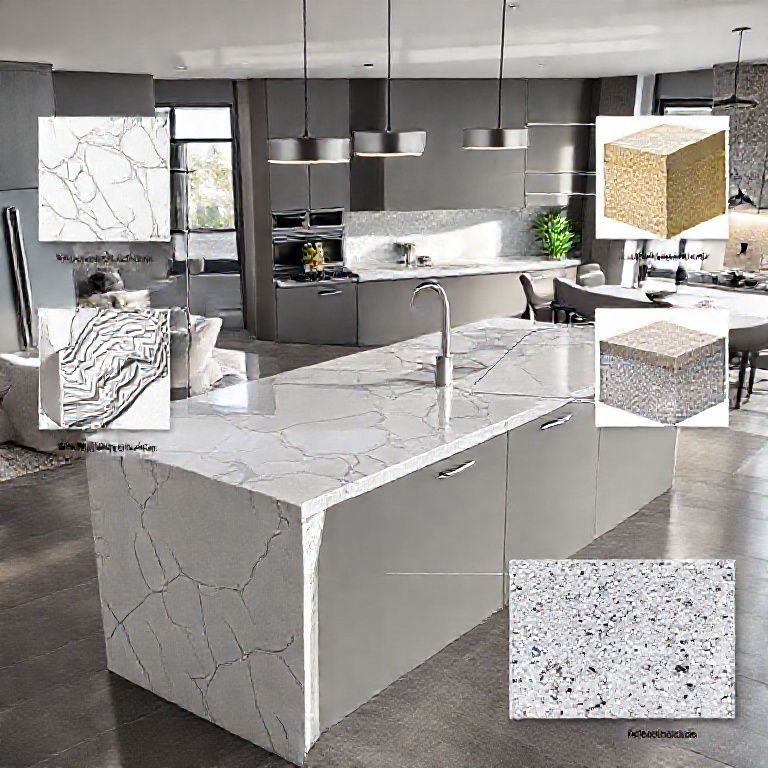
Common Causes of Cracks in Granite Countertops
Granite is renowned for its durability, but it’s not invincible. Several factors can contribute to cracks in granite countertops:
Impact Damage: Granite can crack if subjected to a sudden, high-impact force, such as dropping a heavy object or a glass bottle. Thermal Shock: Rapid changes in temperature can cause granite to crack. For example, placing a hot pot on a cold granite surface can create a thermal shock. Natural Flaws: Some granite has inherent flaws or veins that can lead to cracks over time. Installation Issues: Poor installation techniques can lead to improper pressure distribution, causing stress points that might result in cracks.
Immediate Steps to Take When You Notice a Crack
When you first notice a crack in your granite countertop, it’s crucial to act quickly to prevent further damage. Here’s what you should do immediately:
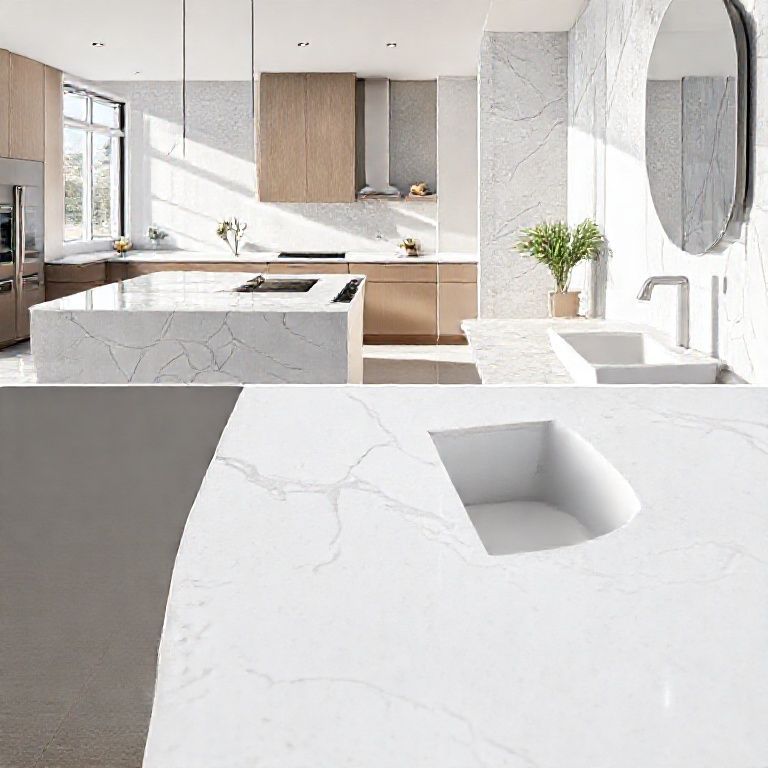
Stop Using the Area: Avoid using the affected area to prevent additional stress that could worsen the crack. Clean the Crack: Gently clean the crack to remove any debris or dirt that could accelerate the crack’s progression. Assess the Damage: Carefully examine the crack to determine its size and depth. Small cracks are easier to repair than large, extensive ones.
DIY Repair Methods for Minor Cracks
For minor cracks, there are some DIY repair methods you can try:
Epoxy Resin: This is a popular and effective way to repair small cracks. Here’s how to use it: Purchase a two-part epoxy resin kit from a home improvement store. Clean the crack thoroughly and allow it to dry completely. Mix the epoxy resin according to the manufacturer’s instructions. Apply the mixed epoxy into the crack using a syringe or a small brush. Smooth the surface with a clean cloth. Allow the epoxy to cure as per the manufacturer’s instructions. Polyurethane Sealant: If the crack is too narrow for epoxy, a polyurethane sealant might be a good alternative. Follow the same steps as above but use a polyurethane sealant instead.
Preventative Measures to Avoid Future Cracks
Preventing future cracks is always better than repairing them. Here are some tips to help maintain your granite countertop:

Use Cutting Pads: Always use a cutting pad when cutting food on your granite countertop to prevent scratches and impacts that could lead to cracks. Avoid Extreme Temperatures: Don’t place hot pots or pans directly on the granite. Instead, use trivets or heat-resistant pads. Regular Maintenance: Clean your granite regularly with mild soap and water. Avoid using abrasive cleaners or scrubbers. Proper Installation: Ensure that your granite countertop was installed correctly by a professional to avoid installation-related cracks.
Advanced Repair Techniques and Long-Term Maintenance
If the crack in your granite countertop is more severe, or if the DIY methods we discussed in Part 1 don’t work, it might be time to explore advanced repair techniques or consult a professional. In this part, we’ll delve into more sophisticated repair methods and provide long-term maintenance tips to keep your granite countertop looking pristine.
Advanced Repair Techniques for Severe Cracks
For larger or more stubborn cracks, professional intervention might be necessary. Here are some advanced repair techniques:

Crack Filling with Stone Paste: This method involves using a stone paste specifically designed for granite. A professional technician will fill the crack with the paste, which then hardens to restore the surface. This method is effective for medium-sized cracks but might not work for extensive damage.
Epoxy Injection: For very deep cracks, an epoxy injection technique can be used. A small hole is drilled into the crack, and epoxy is injected under pressure to fill and reinforce the crack. This method is highly effective but requires professional expertise.
Overlay Repair: In cases of severe damage, an overlay repair might be necessary. This involves removing a small section of the granite and replacing it with a new piece, which is bonded to the existing surface using a strong adhesive. This method is more invasive but can restore the countertop to its original condition.
Long-Term Maintenance Tips
To keep your granite countertop in top condition and prevent future cracks, follow these long-term maintenance tips:
Regular Cleaning: Clean your granite regularly with a pH-neutral cleaner and a soft cloth. Avoid using acidic or alkaline cleaners that can damage the surface. Sealing the Surface: Granite should be sealed every 6 to 12 months to maintain its protective finish. Use a granite-specific sealer to protect against stains and scratches. Avoiding Abrasives: Use non-abrasive cutting boards and pads to prevent scratches. Always use cutting boards when preparing food. Proper Storage: Store pots and pans in a way that prevents them from banging into each other or the countertop. Use pot holders and trivets to protect the surface. Monitor for Changes: Regularly check your granite for any signs of damage or wear. Early detection can prevent minor issues from becoming major problems.
When to Call a Professional
While DIY repairs can handle minor cracks, it’s important to know when to call in a professional. Here are some signs that it’s time to seek expert help:
Large or Multiple Cracks: If the crack is extensive or there are multiple cracks, professional repair is usually necessary. Crack Depth: Deep cracks that go beyond the surface might require advanced techniques that only professionals can perform. Unsure About Repairs: If you’re not confident in your ability to perform the repair, it’s best to leave it to the experts to avoid further damage.
Conclusion: Preserving the Beauty and Functionality of Your Granite Countertop
Granite countertops are a beautiful and durable addition to your kitchen or bathroom, but they do require proper care and maintenance. By understanding the causes of cracks and taking immediate action, you can often prevent minor damage from becoming a larger issue. For severe cracks, advanced repair techniques and professional help are essential to restore the countertop’s appearance and functionality.
Remember, regular maintenance and preventive measures are key to extending the life of your granite countertop. With the right care, your granite will remain a stunning centerpiece for years to come. Whether you choose to tackle minor repairs on your own or rely on professional expertise for more severe damage, the key is to act swiftly and thoughtfully to keep your granite countertop in top condition.