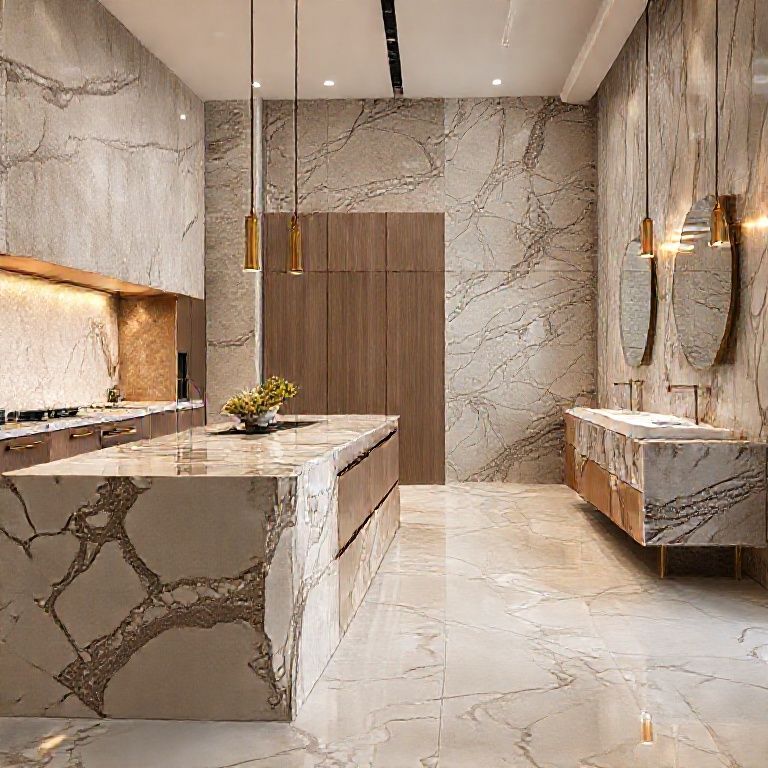
Understanding the Damage and Repair Options
When your countertop cracks, it’s natural to wonder whether it’s worth investing time and money into repairing it or if it’s time to consider a replacement. Countertops are one of the most visible features in your kitchen, so their appearance significantly impacts the overall aesthetic of the space. Understanding the damage and exploring repair options can help you make a well-informed decision.

Assessing the Damage
First and foremost, it’s essential to assess the extent of the damage. A small crack might be manageable with a repair, whereas a larger crack or one that compromises the structural integrity of the countertop might necessitate a replacement. Here are some common types of countertop damage and how to evaluate them:
Minor Cracks and Chips: These can often be repaired with specialized products or DIY solutions. If the crack is small and doesn’t affect the countertop’s functionality, a repair might be feasible.
Larger Cracks: Cracks that span several inches or run through the middle of the countertop are more problematic. These often require professional intervention to ensure that the repair is both effective and aesthetically pleasing.

Structural Damage: If the crack affects the countertop’s ability to hold weight or is accompanied by other signs of structural weakness, it’s time to consider replacement.
DIY Repair Solutions
For minor cracks, there are several DIY repair solutions you can try before deciding on a more permanent fix. Here are some popular methods:
Epoxy Resin: Epoxy resin is a popular choice for repairing cracks in countertops made from materials like quartz, granite, and other composite materials. It’s available in various colors to match your countertop’s finish.

Polyurethane Sealant: This type of sealant can fill in cracks and provide a smooth finish. It’s ideal for small, cosmetic cracks and is relatively easy to apply.
Flexible Caulk: For smaller cracks, flexible caulk can be an effective and affordable solution. It’s easy to use and can provide a seamless finish.
Professional Repair Services
While DIY solutions are convenient, professional repair services often provide a more durable and aesthetically pleasing result. Here’s what you can expect from professional repairs:
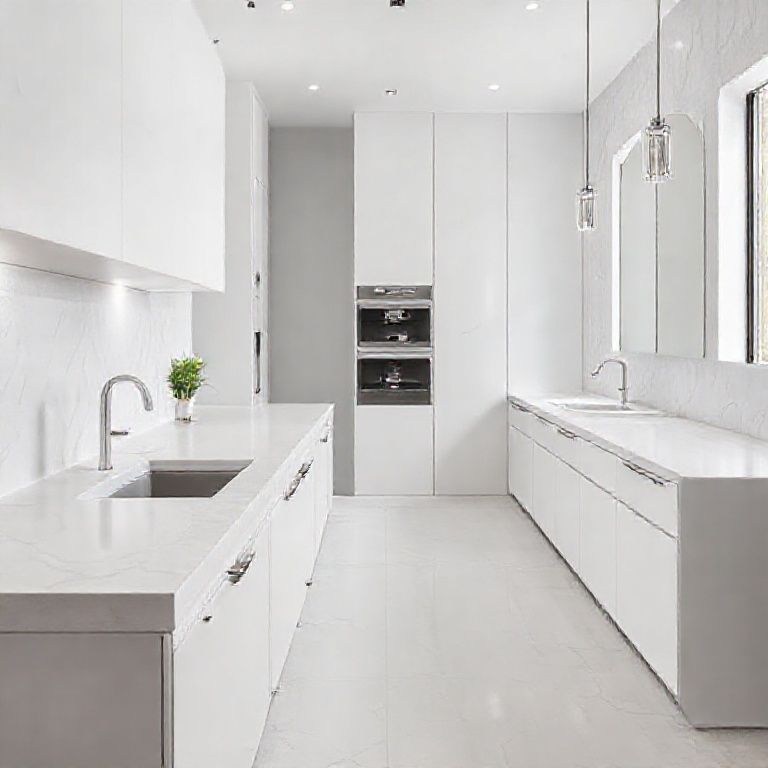
Custom Matching: Professionals can match the repair material to your countertop’s exact color, ensuring a seamless repair that’s virtually invisible.
Expertise: Professional repair services often have the expertise to handle more complex repairs, such as those involving multiple cracks or structural damage.
Warranty: Many professional repair services offer warranties on their work, providing peace of mind that your repair will last.
Cost Considerations
When deciding between repair and replacement, it’s essential to consider the costs involved. Repairs are generally less expensive than replacements, but the cost can vary depending on the extent of the damage and the material of your countertop. Here’s a general breakdown:
Minor Repairs: For minor cracks, DIY repairs can cost anywhere from $10 to $50, depending on the product and materials used.
Professional Repairs: Professional repair services typically range from $100 to $500, depending on the complexity of the repair and the materials used.
Replacement Costs: Replacing a countertop can be significantly more expensive, ranging from $500 to several thousand dollars, depending on the material, size, and design.
Factors to Consider When Deciding
When deciding between repair and replacement, consider the following factors:
Aesthetic Appeal: If the crack is noticeable and affects the countertop’s appearance, a repair might not be enough to restore its original look. In such cases, replacement might be more appropriate.
Functionality: If the crack compromises the countertop’s functionality, such as its ability to support weight, replacement might be the better option.
Long-Term Value: Consider the long-term value of your countertop. If it’s an older piece that’s no longer functional or aesthetically pleasing, replacement might offer better long-term benefits.
Budget: Your budget is a crucial factor. Weigh the costs of repair versus replacement and decide what’s feasible within your financial constraints.
Conclusion
Deciding whether to repair or replace a cracked countertop is a significant decision that requires careful consideration of various factors. By assessing the damage, exploring repair options, and weighing the costs and benefits, you can make an informed decision that best suits your needs and enhances the beauty and functionality of your kitchen.
Stay tuned for part 2, where we will delve deeper into the replacement process, explore the benefits of different countertop materials, and provide tips on choosing the perfect replacement for your home.
Replacement Options and Choosing the Perfect Countertop
When deciding to replace a cracked countertop, it’s essential to understand the various options available and how to choose the perfect material that matches your style, budget, and functional needs. This comprehensive guide will cover everything you need to know to make an informed decision on your countertop replacement.
Benefits of Replacing a Cracked Countertop
Replacing a cracked countertop offers several benefits:
Aesthetic Appeal: A new countertop can significantly enhance the visual appeal of your kitchen, giving it a fresh, modern look.
Functionality: A new countertop often comes with improved durability and functionality, ensuring that it can withstand daily use without cracking or breaking.
Long-Term Investment: Investing in a high-quality countertop is a long-term decision that can save you money in the future by reducing the need for frequent repairs.
Choosing the Right Material
When it comes to choosing a new countertop, the material plays a crucial role in determining its durability, appearance, and maintenance requirements. Here are some popular countertop materials and their characteristics:
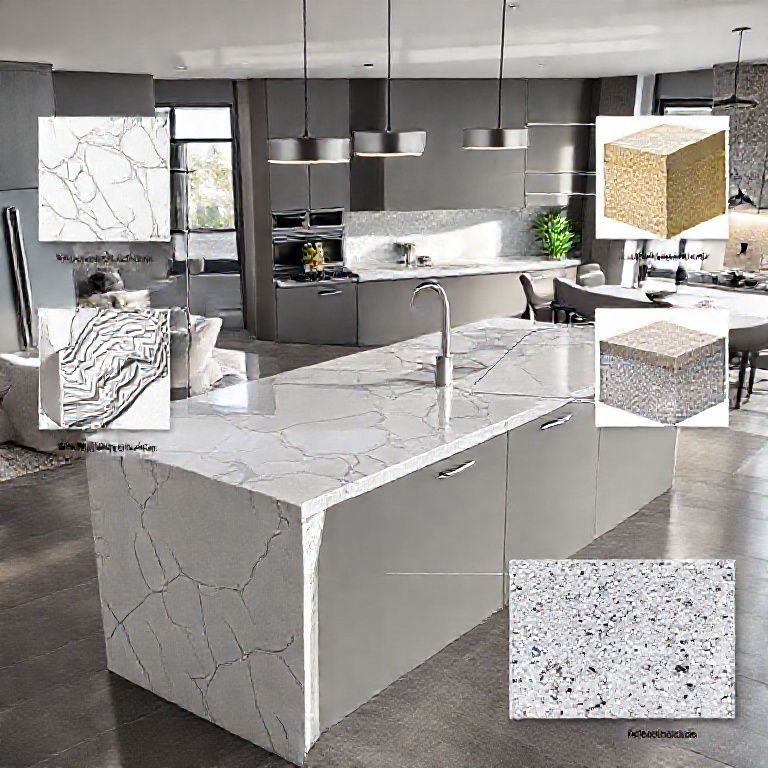
Granite: Pros: Extremely durable, resistant to scratches and stains, and available in a wide range of colors and patterns. Cons: Requires sealing every 6-12 months to maintain its protective qualities, can be expensive. Quartz: Pros: Low maintenance, scratch and stain-resistant, available in thousands of colors and patterns. Cons: Can be expensive, requires professional installation for optimal results. Marble: Pros: Luxurious look, available in various colors and patterns. Cons: Prone to staining and requires sealing, can be expensive. Slate: Pros: Durable, available in various colors, affordable. Cons: Can be slippery when wet, requires sealing. Corian: Pros: Extremely durable, scratch and stain-resistant, available in a wide range of colors. Cons: Can be expensive, requires professional installation for optimal results. Concrete: Pros: Affordable, customizable, durable. Cons: Requires sealing, can be slippery when wet, may require additional finishing.
Design and Style Considerations
When selecting a new countertop, it’s important to consider your kitchen’s design and style. Here are some tips to help you choose the perfect countertop:
Match the Existing Design: Ensure that the new countertop complements the existing elements of your kitchen, such as cabinetry, flooring, and backsplash.
Consider the Color: Choose a color that enhances the overall look of your kitchen. Light colors can make a space feel larger, while dark colors can add warmth and depth.
Functionality: Think about how you use your kitchen and choose a countertop material that meets your needs. For example, if you cook frequently, a more durable material like granite or corian might be more suitable.
Budget: Set a budget and choose a material that fits within that range. Remember that while some materials might be more affordable upfront, they may require more maintenance or have a shorter lifespan.
Installation Options
When it comes to installation, there are two primary options: DIY installation and professional installation.
DIY Installation: Pros: Can save money on labor costs. Cons: Requires time and effort, may not look as professional, requires careful adherence to manufacturer instructions. Professional Installation: Pros: Ensures a professional-looking finish, reduces the risk of mistakes, can provide warranties on the installation. Cons: More expensive than DIY, requires hiring a professional.
Maintenance Tips
Regardless of the material you choose, proper maintenance is crucial to keep your countertop looking and functioning its best. Here are some general maintenance tips:
Regular Cleaning: Use appropriate cleaning products for your countertop material to keep it clean and free of stains.
Sealing: For natural stone countertops like granite and marble, regular sealing is necessary to maintain their protective qualities.
Avoiding Sharp Objects: Use cutting boards and other protective surfaces to prevent scratches and chips.
石英石台面 (Quartz)
特点:
由90%以上的纯天然石英沙制成,非常耐用和抗污。 通常需要少量的维护。
保养和维护:
日常清洁: 使用中性清洁剂和软布轻轻擦拭。 避免使用钢丝球: 钢丝球可能会刮伤表面。 处理溢出物: 及时擦拭溢出的液体,以防止渗入和染色。 使用切菜板: 使用塑料或竹制切菜板来防止刮花。
花岗岩台面 (Granite)
特点:
天然石材,具有高耐用性和美观的花纹。 需要定期密封以保持其抗污性能。
保养和维护:
日常清洁: 使用温水和中性清洁剂,用软布轻轻擦拭。 及时处理溢出物: 避免液体渗入缝隙,否则会导致永久性损伤。 密封剂: 建议每6-12个月使用专业的密封剂进行密封处理。 避免使用酸性清洁剂: 酸性清洁剂可能会导致花纹褪色。
人造石台面 (Composite)
特点:
由多种材料制成,通常包括天然石料、树脂和其他填充物。 耐用性和美观性取决于具体配方。
保养和维护:
日常清洁: 使用温水和中性清洁剂,用软布轻轻擦拭。 避免刮花: 使用切菜板,以防止刮伤表面。 处理溢出物: 及时擦拭溢出的液体,以防止染色和损伤。 避免高温: 避免直接放置热锅或烤箱用品,以防止热膨胀和裂缝。
不锈钢台面 (Stainless Steel)
特点:
具有高耐用性和现代感,易于清洁。 可能会生锈,特别是在潮湿环境中。
保养和维护:
日常清洁: 使用温水和中性清洁剂,用软布轻轻擦拭。 处理水渍: 避免水渍长时间停留,以防止生锈。 避免使用研磨性清洁剂: 这些清洁剂可能会刮花表面。 防锈处理: 如果发现生锈,使用专门的不锈钢清洁剂进行处理。
瓷砖台面 (Ceramic Tile)
特点:
耐用且易于清洁,但需要注意缝隙中的污渍。
保养和维护:
日常清洁: 使用温水和中性清洁剂,用软布轻轻擦拭。 处理溢出物: 及时擦拭溢出的液体,以防止渗入缝隙。 密封缝隙: 使用专门的瓷砖密封剂定期密封台面缝隙。 避免刮花: 使用切菜板,以防止刮伤表面。
总结
不同的台面材料有各自的特性和保养方法。了解和遵循这些建议,可以帮助延长台面的使用寿命,保持其美观和功能性。如果不确定如何处理某些问题,建议咨询专业人士以获得更具体的建议。