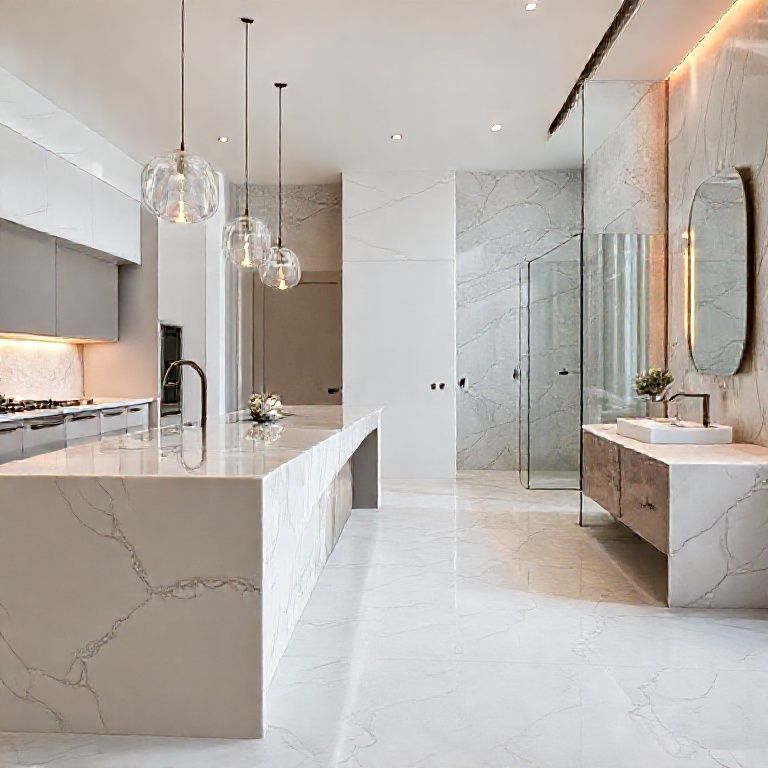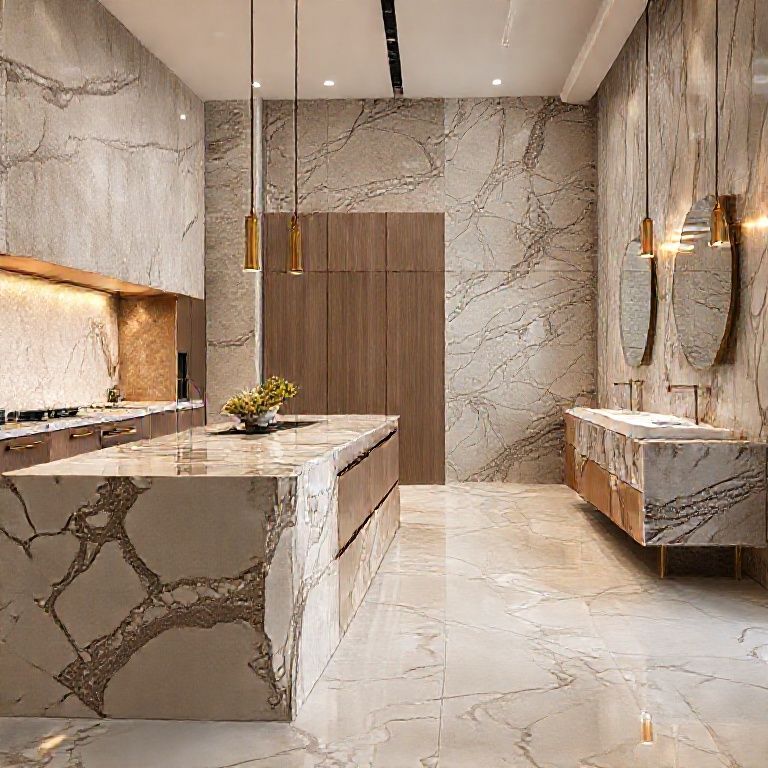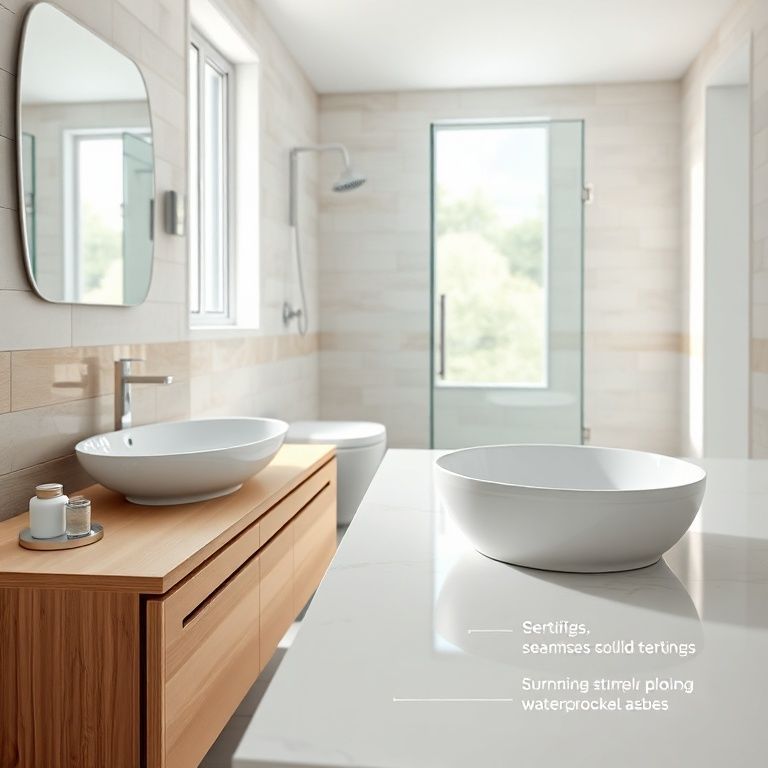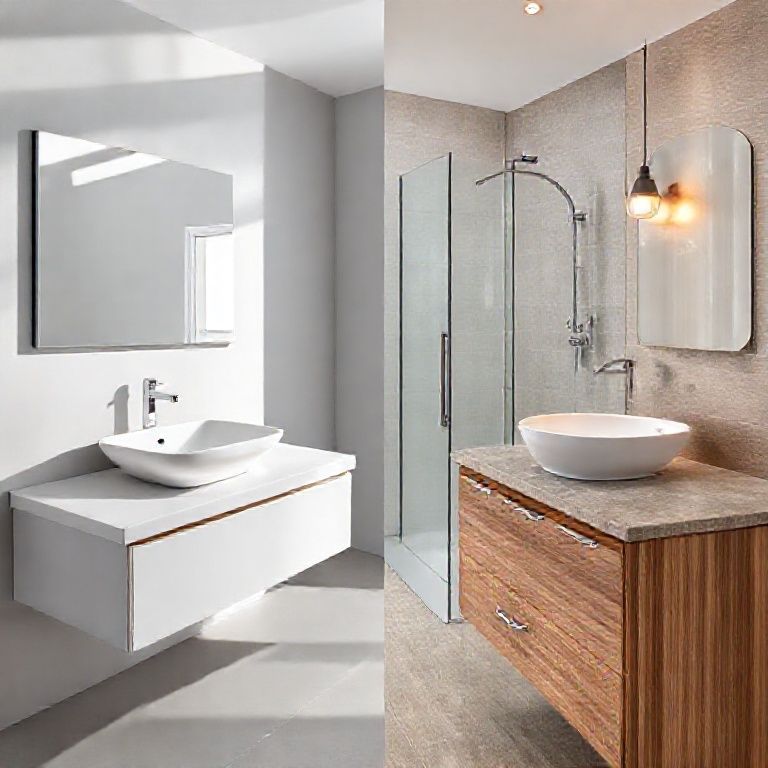
The heart of any home, the kitchen, is where culinary dreams are born and memories are made. When embarking on a kitchen renovation or seeking to elevate your current culinary sanctuary, the choice of cabinetry plays a pivotal role. While traditional materials like solid wood have long held sway, the modern design landscape is increasingly embracing innovative alternatives. Among these, artificial stone, often referred to as engineered stone or quartz, has emerged as a compelling contender for cabinet bodies. Its rise is not merely a fleeting trend; it’s a testament to its unique blend of aesthetics, durability, and practicality that appeals to a broad spectrum of homeowners and designers.
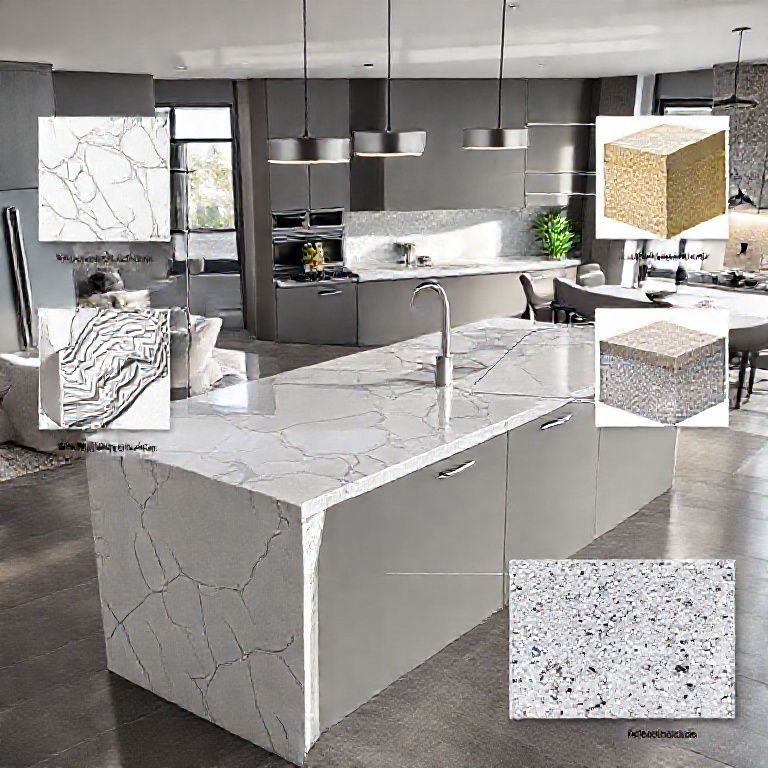
The very term “artificial stone” might conjure images of something less authentic, perhaps even inferior, to its natural counterparts. However, this couldn’t be further from the truth. Engineered stone is a marvel of modern material science, meticulously crafted from a composite of natural quartz crystals (typically around 90-95%), resins, and pigments. This sophisticated process not only imbues the material with remarkable strength but also allows for an unparalleled spectrum of colors, patterns, and finishes that often surpass the limitations of natural stone. From the sleek, minimalist look of pure white or deep black to intricate marble-like veining and subtle, earthy tones, artificial stone offers a designer’s palette limited only by imagination. This versatility is a significant draw for those seeking to imbue their kitchens with a distinct personality and a cohesive design narrative.
One of the most celebrated advantages of artificial stone for cabinet bodies is its exceptional durability. Unlike natural stone, which can be prone to chipping, scratching, and staining due to its porous nature, engineered stone boasts a non-porous surface. This inherent characteristic makes it highly resistant to common kitchen adversaries such as spills from wine, coffee, oil, and acidic foods like lemon juice or vinegar. The absence of microscopic pores means that these liquids don’t penetrate the surface, preventing unsightly stains from setting in and making cleanup remarkably straightforward. A simple wipe with a damp cloth and mild soap is usually all that’s needed to restore its pristine appearance. This low-maintenance aspect is a significant boon for busy households where time is a precious commodity. The resilience of artificial stone extends beyond just stain resistance; it’s also incredibly hard, making it resistant to scratches and chips from everyday use, such as chopping vegetables directly on the surface (though a cutting board is always recommended for longevity).
Furthermore, the consistency and uniformity of artificial stone are highly valued in cabinetry. Natural stones, by their very nature, possess unique variations in their veining, color patterns, and mineral inclusions. While this is part of their inherent beauty, it can also lead to unpredictable results, especially when piecing together larger surfaces like cabinet fronts or countertops. Engineered stone, on the other hand, is manufactured under controlled conditions, ensuring a uniform color and pattern throughout the slab. This predictability is a significant advantage for designers and homeowners who desire a seamless and consistent look across their entire kitchen. It allows for precise planning and execution, ensuring that the final result aligns perfectly with the envisioned aesthetic. This consistency also simplifies the process of replacing a damaged section, as it’s easier to match new material with existing surfaces.
The hygienic qualities of artificial stone are another compelling reason for its growing popularity in kitchen environments. The non-porous surface actively inhibits the growth of bacteria, mold, and mildew. In a space where food preparation is a daily ritual, maintaining a sanitary environment is paramount. Artificial stone’s resistance to microbial proliferation contributes to a healthier kitchen ecosystem, offering peace of mind to families. This inherent hygiene, combined with its ease of cleaning, makes it an excellent choice for cabinet bodies that are frequently touched and exposed to various kitchen elements.
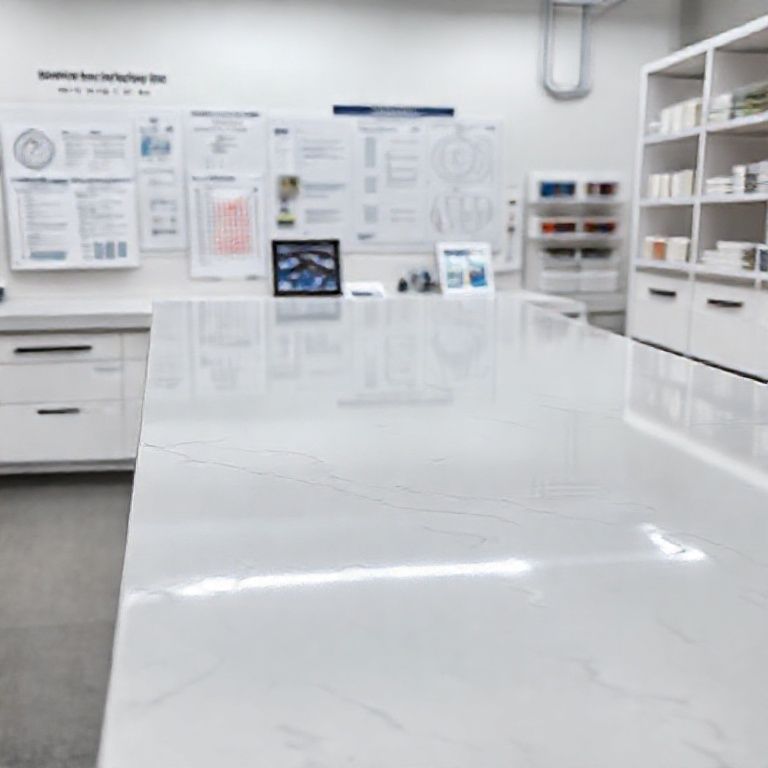
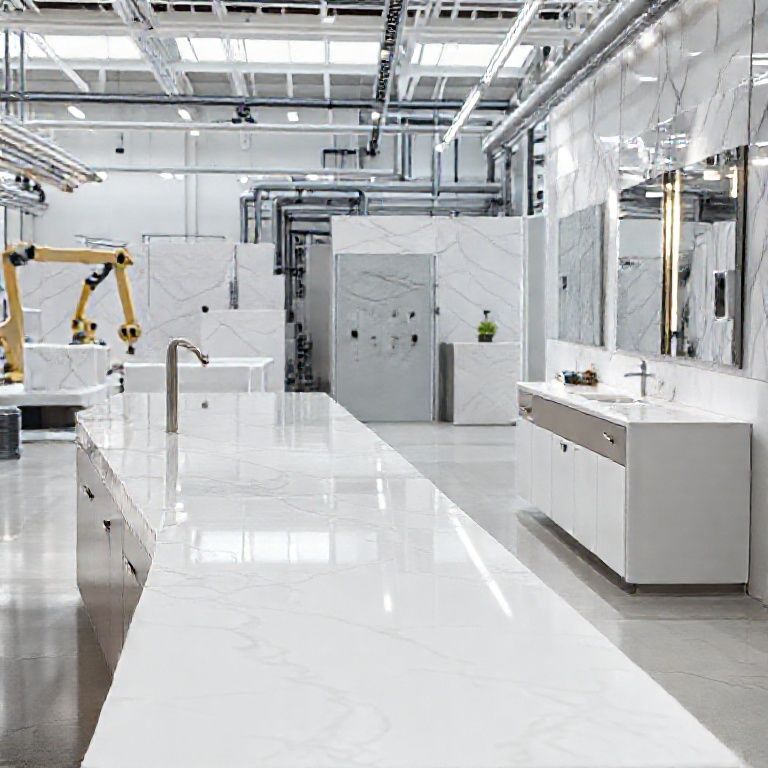
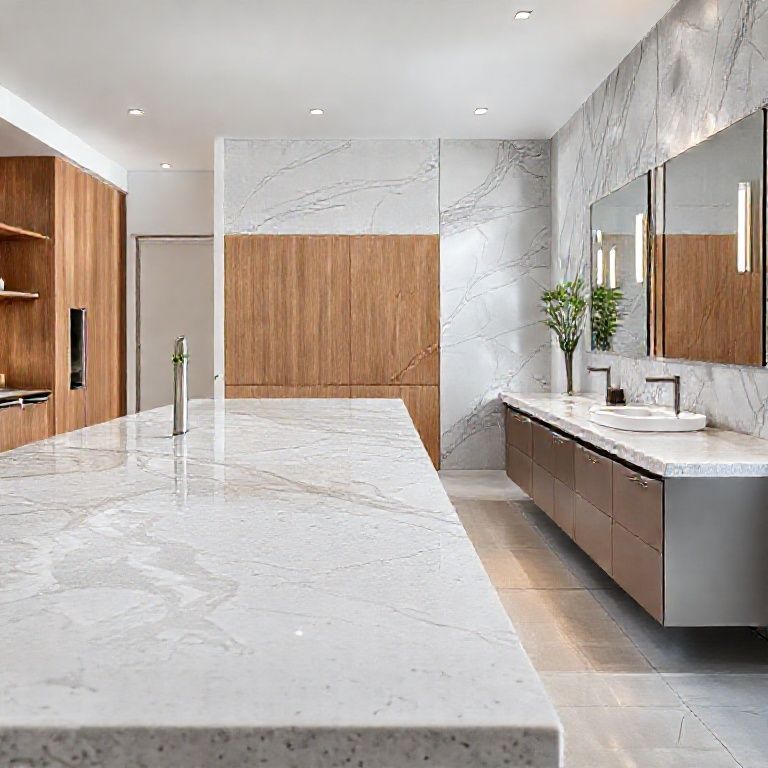
Beyond its practical benefits, artificial stone offers a sophisticated aesthetic that can significantly enhance the perceived value and style of a kitchen. The wide array of available colors and patterns allows for a high degree of customization, enabling homeowners to express their personal style. Whether you’re aiming for a sleek, modern, industrial look with a concrete-effect finish, a timeless elegance with a white marbled pattern, or a warm, inviting ambiance with a sandy beige hue, artificial stone can deliver. Its ability to mimic the appearance of natural stones like granite and marble, often at a more accessible price point and with superior performance, makes it a smart choice for achieving a luxurious look without breaking the bank. The polished finish typical of artificial stone adds a touch of refinement, reflecting light and making the kitchen feel more spacious and inviting.
The manufacturing process of engineered stone also contributes to its environmental credentials. By utilizing quartz, a readily available natural mineral, and combining it with recycled materials in some formulations, it can be a more sustainable choice compared to the intensive quarrying of some natural stones. The controlled manufacturing process also minimizes waste and energy consumption compared to traditional stone extraction methods. While the resins used in its composition are synthetic, advancements in manufacturing are continually seeking to reduce their environmental impact.
In essence, artificial stone for cabinet bodies presents a compelling proposition: a material that marries the robust performance of engineered composites with the visual appeal of fine stone. Its non-porous nature champions hygiene and effortless maintenance, while its inherent strength wards off daily wear and tear. The predictable beauty and vast design possibilities empower homeowners to craft kitchens that are not only functional but also deeply personal and aesthetically captivating. As we move into the second part of our exploration, we will delve into the potential downsides and considerations that prospective users should be aware of, ensuring a comprehensive understanding of this transformative material.
While the allure of artificial stone for kitchen cabinet bodies is undeniable, a balanced perspective necessitates a thorough examination of its potential drawbacks. No material is entirely without its limitations, and understanding these nuances is crucial for making an informed decision that aligns with your lifestyle, budget, and long-term expectations. Although engineered stone offers a host of advantages, a few considerations merit attention before you commit to this popular cabinetry choice.
One of the primary factors to consider with artificial stone is its heat resistance. While it is more heat-tolerant than many plastics or laminate materials, it is not impervious to extreme temperatures. Prolonged exposure to very hot pots, pans, or baking sheets placed directly onto the surface can lead to thermal shock. This can cause the resins within the material to discolor, scorch, or even crack. Unlike natural stone, which may develop spiderweb cracks under extreme thermal stress, engineered stone’s resin binders are more susceptible to surface damage from heat. Therefore, it is always advisable to use trivets, hot pads, or cooling racks to protect the cabinet surfaces from direct contact with hot items. This is a critical difference in how it handles heat compared to materials like granite or soapstone, which generally possess higher thermal resistance.
Another point to ponder is the potential for damage from harsh chemicals. While artificial stone is resistant to most common household cleaners, certain aggressive chemicals can compromise its integrity. For instance, strong solvents, oven cleaners containing high levels of lye, or abrasive scouring pads can degrade the resin binder and dull the surface finish. The non-porous nature that makes it stain-resistant also means that once a chemical damage occurs, it can be more challenging to repair invisibly compared to some natural stones that can be re-honed or polished. Careful selection of cleaning agents and avoiding prolonged contact with potent chemicals are essential for preserving the pristine appearance of engineered stone cabinetry.
While artificial stone is generally considered resistant to chipping and scratching, it is not indestructible. Extremely heavy or sharp objects dropped directly onto the surface can still cause chips or gouges, particularly along edges or corners. Unlike solid wood, which might show a dent that can sometimes be repaired, a chip in engineered stone is more difficult to fix seamlessly. While professional repair services exist, they can be costly, and achieving a perfectly invisible mend can be challenging depending on the pattern and color of the stone. This means that while it’s robust for everyday use, a degree of care is still warranted to prevent significant impacts.
The cost of artificial stone can also be a significant consideration. While often more affordable than high-end natural stones like granite or marble, it can still represent a substantial investment, especially for extensive cabinetry projects. The price varies considerably depending on the brand, the complexity of the pattern, and the manufacturer. Cheaper, lower-quality engineered stones might use less quartz or lower-grade resins, potentially compromising durability and aesthetic longevity. It’s important to research reputable brands and compare quotes to ensure you are getting a good balance of quality and value. When factoring in installation costs, which can be higher for stone materials due to their weight and the need for specialized tools and expertise, the overall expense can rival or even exceed that of some premium wood cabinetry.
The aesthetic appeal of artificial stone, while often a strong selling point, can also be viewed critically by some. Because it is a manufactured product, its patterns can sometimes appear repetitive or less organically unique than those found in natural stone. For individuals who deeply appreciate the inimitable variations and geological history inherent in natural materials, engineered stone might lack that certain handcrafted or “one-of-a-kind” character. While advancements have made patterns incredibly realistic, a discerning eye might detect the uniformity. This is largely a matter of personal preference, but it’s worth considering if you prioritize the natural, sometimes imperfect, beauty of stone.
Furthermore, while artificial stone is known for its durability, the resins used in its composition can be susceptible to UV exposure over extended periods. If your kitchen cabinetry is in direct, prolonged sunlight for many hours a day, some formulations of engineered stone may experience slight color fading or degradation. While this is typically a concern in outdoor applications or areas with intense, direct sun, it’s a factor to be mindful of in kitchen design. Strategically placing window treatments or choosing UV-resistant formulations can mitigate this potential issue.
Finally, the repair of artificial stone, particularly for significant damage like cracks or large chips, can be complex and may require professional intervention. While minor scratches might be buffed out on some finishes, deeper damage often necessitates filling with specialized epoxies that are then color-matched and polished. This process can be more involved and potentially more expensive than repairing scratches or dents in solid wood. The ability to achieve a flawless repair is highly dependent on the skill of the technician and the specific composition of the engineered stone.
In conclusion, artificial stone offers a compelling blend of beauty, resilience, and hygiene, making it a highly desirable material for modern kitchen cabinet bodies. Its resistance to stains, scratches, and bacteria, coupled with its vast design potential, positions it as a practical and stylish choice. However, potential buyers must weigh these advantages against considerations such as heat sensitivity, susceptibility to harsh chemicals, the risk of chipping under impact, cost, and the subjective aesthetic of a manufactured versus natural product. By carefully evaluating these pros and cons, you can confidently determine whether artificial stone is the perfect foundation for your dream kitchen, ensuring both enduring style and practical functionality for years to come.