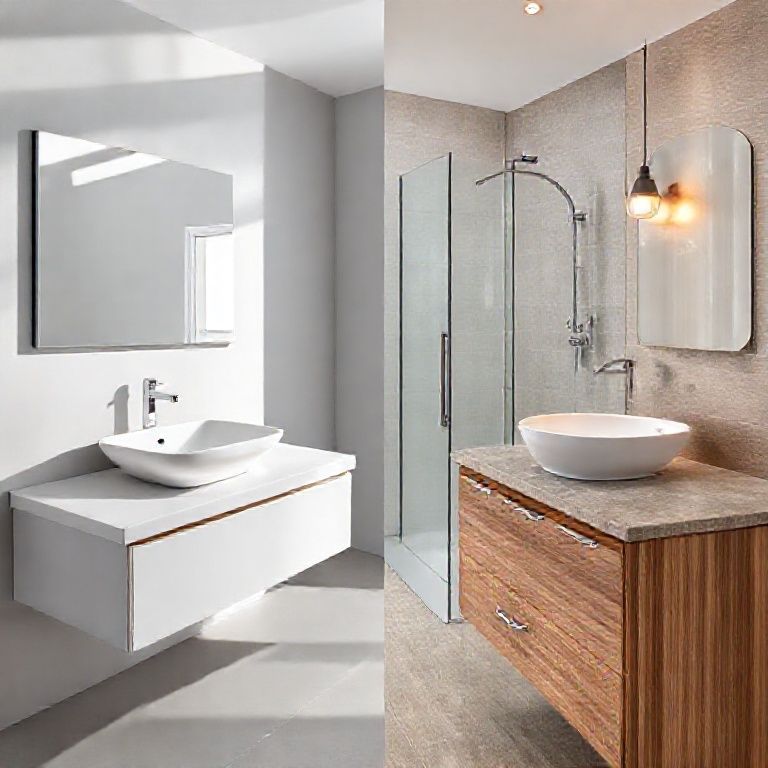
In the ever-evolving landscape of home design, few materials have captured the attention and acclaim quite like quartz countertops. Often lauded for their striking aesthetics and impressive resilience, they’ve become a go-to choice for homeowners seeking a blend of beauty and brawn in their kitchens, bathrooms, and beyond. But in the vast ocean of design trends and material options, a crucial question lingers: are these engineered marvels truly as durable as they are desirable? This inquiry, frequently debated on platforms like Zhihu, the renowned Chinese Q&A website, reveals a fascinating intersection of material science, user experience, and aesthetic aspirations. Let’s embark on a comprehensive exploration to demystify the durability of quartz countertops, separating the hype from the hard facts.
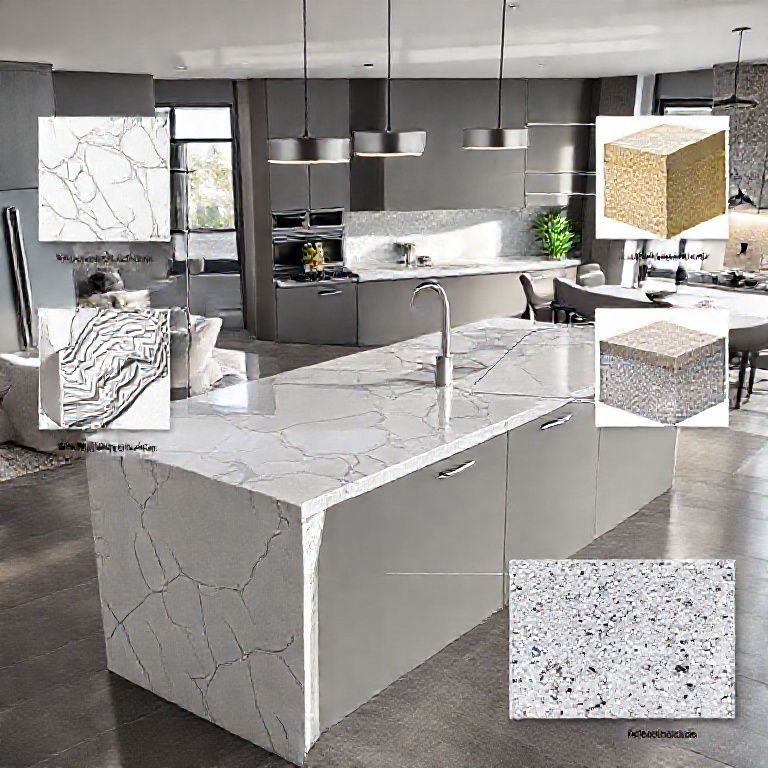
At its core, what exactly is a quartz countertop? Unlike natural stones like granite or marble, which are quarried directly from the earth, quartz countertops are an engineered product. They are a composite material, typically composed of approximately 90-95% natural quartz crystals, bound together by a high-performance polymer resin and often infused with pigments for color and additives for enhanced properties. This meticulous manufacturing process is the secret sauce behind their celebrated durability. The natural quartz crystals, one of the hardest minerals on Earth, provide an inherent strength that sets them apart. This crystalline structure imbues the finished product with a remarkable resistance to scratching, chipping, and cracking, making it a formidable contender in high-traffic areas like kitchen work surfaces where knives, hot pans, and daily wear and tear are commonplace.
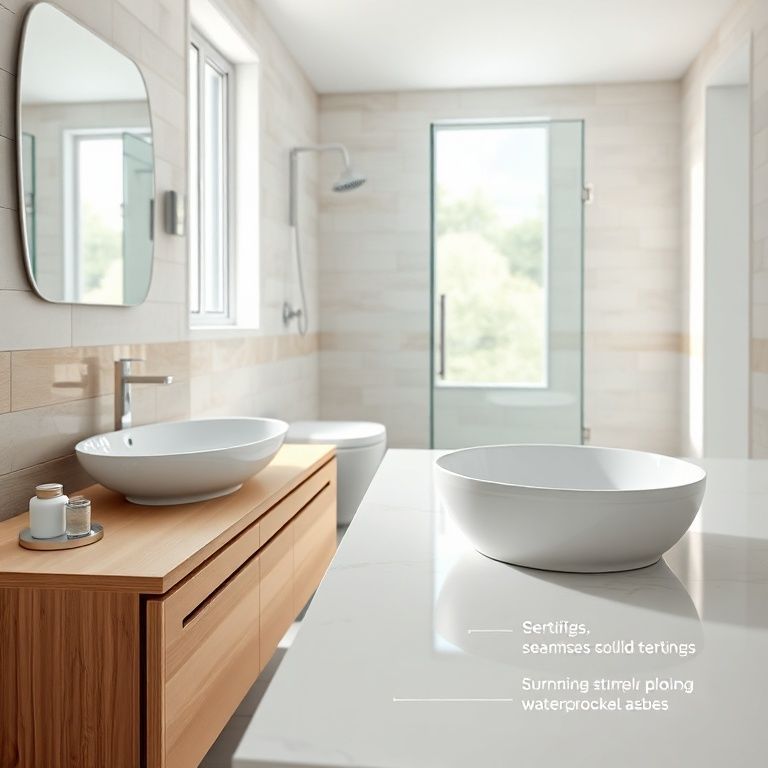
One of the most frequently cited advantages of quartz countertops is their non-porous nature. This is a significant departure from many natural stones, which can absorb liquids and stains. The resin binder in quartz effectively seals the surface, creating a barrier that is impervious to spills from common culprits like red wine, coffee, olive oil, and even harsh cleaning chemicals. This inherent resistance to staining translates into a countertop that maintains its pristine appearance with minimal effort. Imagine a busy family kitchen, where accidental spills are a daily occurrence. With quartz, the panic of a lingering red wine stain or a greasy splatter can be significantly reduced. A quick wipe-down is often all that’s needed to restore the surface to its original glory, a testament to its low maintenance appeal.
Beyond stain resistance, the non-porous quality also contributes to a more hygienic surface. Bacteria and viruses, which can thrive in the microscopic pores of unsealed natural materials, find no refuge on the smooth, impermeable surface of quartz. This makes it an excellent choice for households where food safety and cleanliness are paramount, such as those with young children or individuals with compromised immune systems. The ease of sanitation further elevates quartz as a practical and responsible material choice for any home.
The durability of quartz also extends to its resistance to heat. While not entirely impervious to extreme temperatures, quartz countertops can generally withstand moderate heat from pots and pans for short periods. However, it’s always prudent to use trivets and hot pads to protect the surface from direct contact with very hot items, as prolonged exposure to extreme heat can potentially damage the resin binder, leading to discoloration or even cracking. This is a nuanced point often discussed in homeowner forums, with experiences varying based on the specific brand and thickness of the quartz. Understanding the limitations, while still acknowledging its robust performance, is key to appreciating its overall resilience.
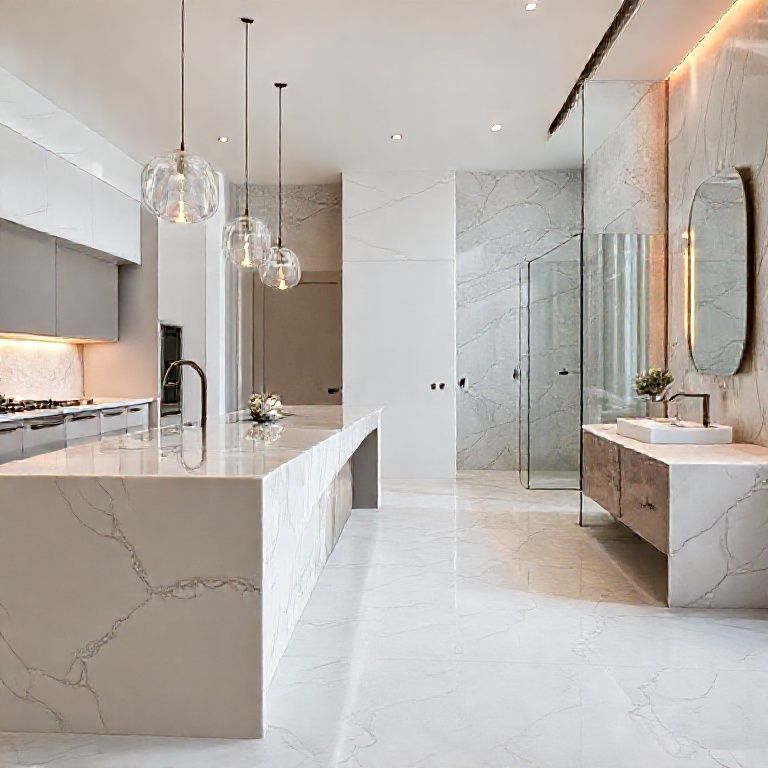
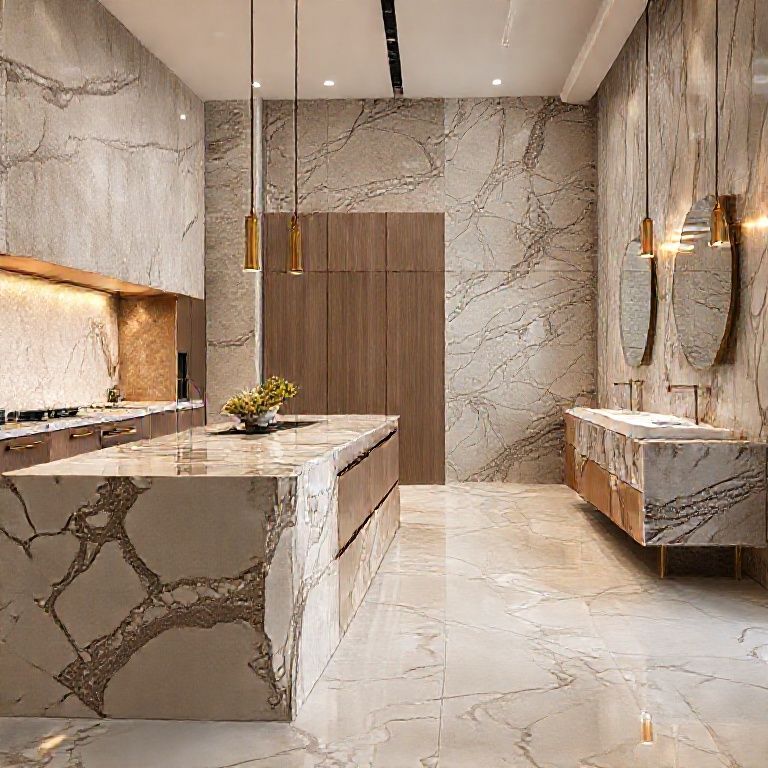
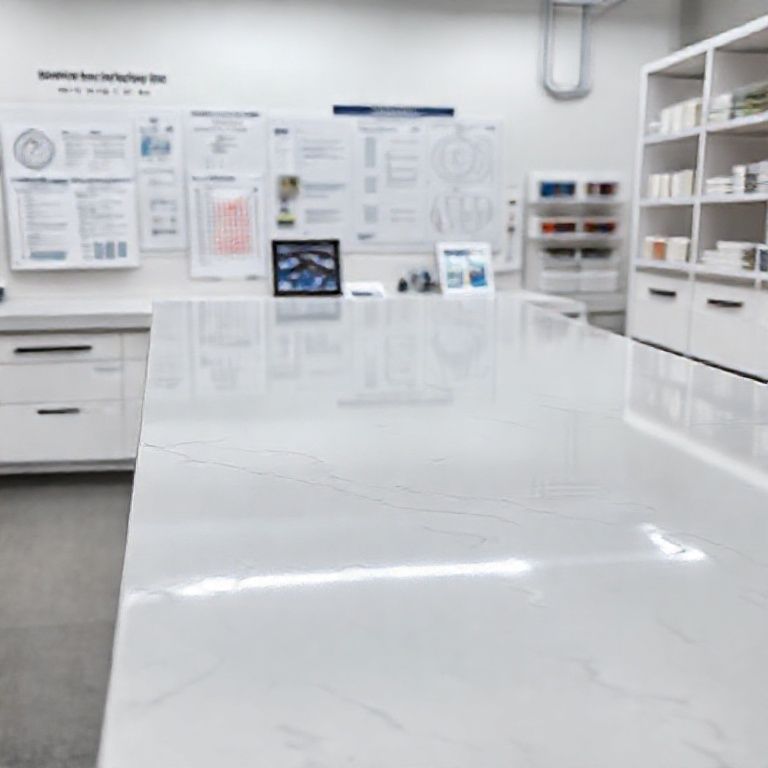
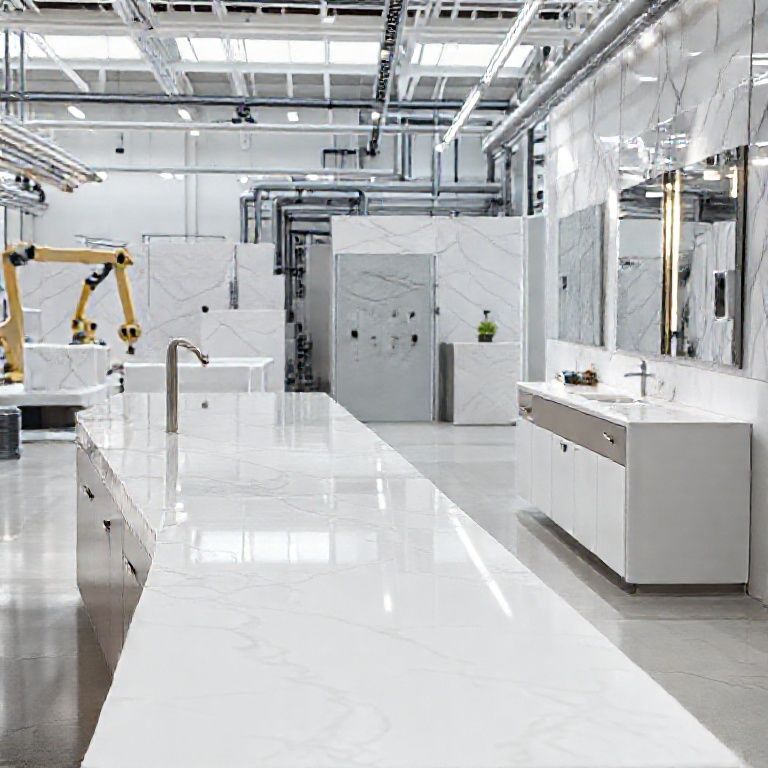
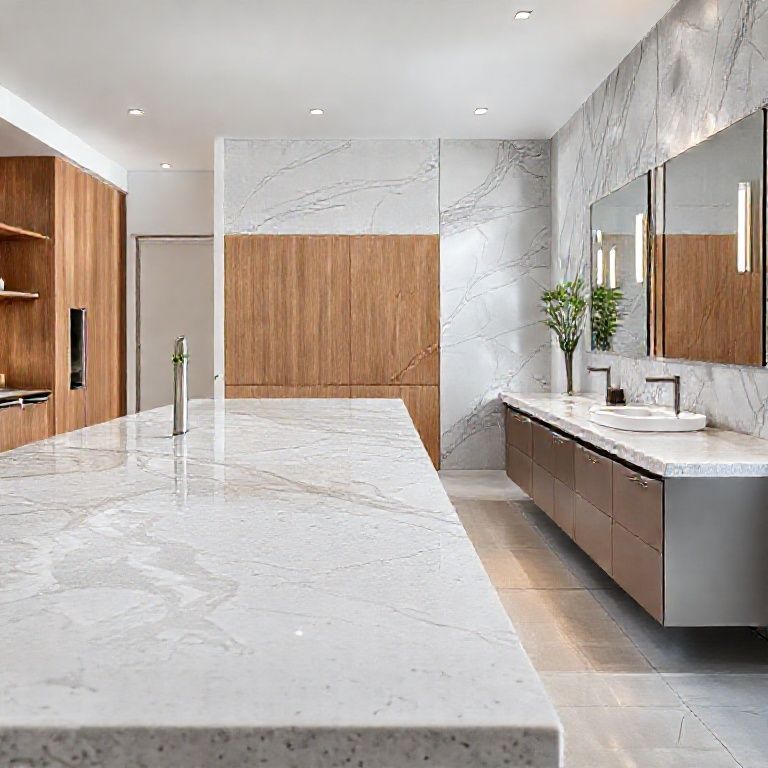
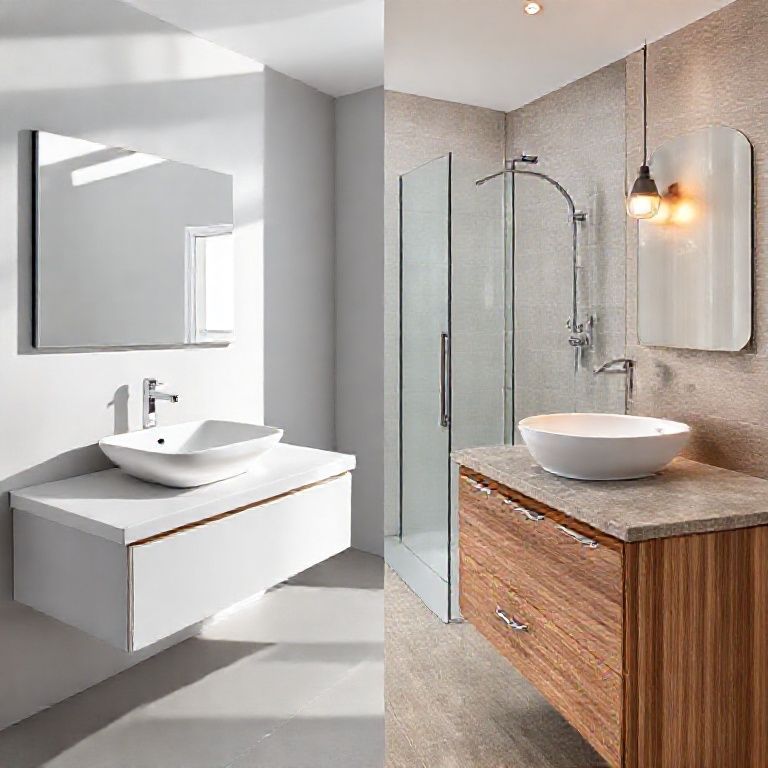
The aesthetic versatility of quartz is another major draw. Thanks to the manufacturing process, manufacturers can create a vast spectrum of colors, patterns, and finishes. From the classic elegance of marble-look quartz with intricate veining to the sleek minimalism of solid white or deep black, there’s a quartz option to complement virtually any design style. This ability to mimic natural stone, often with greater consistency and fewer imperfections, provides designers and homeowners with a degree of creative freedom that is hard to match with natural materials. The predictable patterns and uniform color distribution mean that what you see in the showroom is generally what you get in your home, minimizing surprises and ensuring a cohesive look.
Furthermore, the manufacturing process allows for the inclusion of reflective elements, such as mirror chips or metallic flecks, adding a touch of sparkle and dimension to the surface. This adaptability makes quartz not just a functional choice but also a design statement, capable of transforming a mundane kitchen into a sophisticated and inviting space. The consistency also extends to the edges and profiles, offering a polished and refined finish that enhances the overall visual appeal of the installation.
When considering durability, it’s also important to touch upon the manufacturing standards and the quality of the brands available. Not all quartz countertops are created equal. Reputable manufacturers adhere to stringent quality control measures, ensuring a consistent and high-performing product. This is where insights from platforms like Zhihu become particularly valuable. Homeowners often share their experiences with different brands, highlighting which ones have stood the test of time and which may have exhibited issues. Researching established brands with good track records and understanding the warranty offered can provide an extra layer of confidence in the longevity of your investment. The quality of the resin binder, the density of the quartz aggregate, and the precision of the fabrication all play a role in the ultimate durability and performance of the countertop.
In essence, the durability of quartz countertops is a multifaceted attribute rooted in their engineered composition. The inherent hardness of quartz crystals, coupled with the protective and sealing qualities of the resin binder, creates a material that is exceptionally resistant to stains, scratches, impacts, and everyday wear. This robust performance, combined with their aesthetic versatility and hygienic properties, positions quartz as a highly attractive option for discerning homeowners seeking a beautiful, functional, and long-lasting surface. However, as with any material, understanding its specific properties and limitations is crucial for maximizing its lifespan and enjoying its benefits for years to come.
Continuing our deep dive into the world of quartz countertops, we now pivot to examining the practical implications of their lauded durability, the nuances of their performance in real-world scenarios, and how these factors translate into homeowner satisfaction and long-term value. While the material science speaks volumes about resilience, it’s the lived experiences, often shared and debated on platforms like Zhihu, that offer the most compelling insights into whether quartz countertops truly live up to their reputation.
One of the most frequently lauded aspects of quartz durability is its low maintenance requirement. Unlike natural stones that may need periodic sealing to maintain their stain resistance and prevent etching, quartz generally requires nothing more than regular cleaning with soap and water. This is a significant boon for busy households. The absence of a need for specialized cleaners or frequent sealing procedures translates into saved time and money over the lifespan of the countertop. For those who appreciate a “set it and forget it” approach to home maintenance, quartz presents an incredibly appealing solution. A quick wipe down after meal preparation, a gentle scrub for more stubborn marks, and your countertops are ready for their next use, looking as good as new.
However, it’s important to temper this ease of maintenance with an understanding of potential vulnerabilities. While quartz is exceptionally resistant to etching from acids like lemon juice or vinegar, prolonged exposure can, in rare instances, dull the surface. This is typically a cosmetic issue rather than a structural one, and often can be addressed with specialized quartz cleaners or by a professional. Similarly, while scratch-resistant, it is not entirely scratch-proof. Aggressive scraping with sharp knives or abrasive cleaning pads can still leave marks, underscoring the continued recommendation for using cutting boards and gentle cleaning tools. These are minor caveats in the grand scheme of its durability, but essential to acknowledge for responsible ownership.
The color consistency of quartz, while often praised for its predictability, can also present a unique challenge in terms of repair. Unlike natural stones that have inherent variations and patterns, a chip or crack in a uniformly colored quartz slab can be more noticeable and potentially harder to perfectly match if a repair is needed. This is where the quality of fabrication and installation plays a crucial role. Professional installation can minimize seams and ensure the stone is properly supported, reducing the likelihood of chips and cracks. For minor repairs, specialized resin fillers can often blend seamlessly, but for larger damage, the color match might be imperfect, making replacement of a section or the entire countertop a consideration. This is a point that sometimes surfaces in homeowner discussions, highlighting the importance of choosing skilled fabricators and installers.
The “softness” or “hardness” of a countertop material is often judged by its resistance to impact. Quartz, with its dense composition, fares exceptionally well in this regard. It is significantly less prone to chipping and cracking than materials like granite or marble, especially at the edges and corners, which are often the most vulnerable points. This robust resistance to impact is a testament to the engineering process, where the quartz crystals are interlocked and bound by a resilient resin. This means that accidental bumps from heavy cookware or dropped utensils are less likely to result in catastrophic damage.
When we talk about “durability,” we’re not just talking about physical resilience; we’re also talking about aesthetic longevity. Quartz countertops are renowned for their resistance to fading and discoloration. Unlike some natural stones or laminate materials, the pigments used in quartz are integrated into the material during manufacturing, making them highly resistant to UV exposure. This means that countertops installed near windows or in brightly lit kitchens are less likely to lose their luster or change color over time. This enduring vibrancy ensures that your investment continues to look as good as the day it was installed, maintaining the aesthetic integrity of your design for years to come.
The question of “耐用” (nài yòng), meaning durable or long-lasting in Mandarin Chinese, is a central theme when discussing materials like quartz. On Zhihu, the consensus often leans towards quartz being a highly durable option, particularly for its resistance to daily wear and tear. Homeowners frequently share anecdotes of kitchens that have seen years of heavy use, with quartz countertops emerging largely unscathed. This real-world validation is perhaps the most powerful endorsement of its durability. The material’s ability to withstand the rigors of family life – cooking, entertaining, and general daily activity – without significant degradation is a key factor in its widespread popularity.
However, it’s also worth considering the long-term value proposition. While the initial cost of quartz countertops can be higher than some alternatives, their exceptional durability and low maintenance contribute to a lower total cost of ownership over time. The reduced need for repairs, replacements, and specialized cleaning products, combined with their enduring aesthetic appeal, makes them a sound financial investment for many homeowners. The warranty offered by reputable manufacturers also adds to this peace of mind, providing a safety net against manufacturing defects.
In conclusion, the durability of quartz countertops is not a mere marketing claim; it is a tangible reality backed by material science and supported by a wealth of positive homeowner experiences. Their engineered composition results in a material that excels in resisting stains, scratches, and impacts, while also offering exceptional hygienic properties and minimal maintenance requirements. While minor considerations regarding extreme heat and potential repair visibility exist, they are largely outweighed by the material’s overall resilience and long-term performance. For those seeking a countertop that marries sophisticated aesthetics with unwavering durability, quartz continues to stand as a highly recommended and ultimately, a profoundly worthwhile choice.